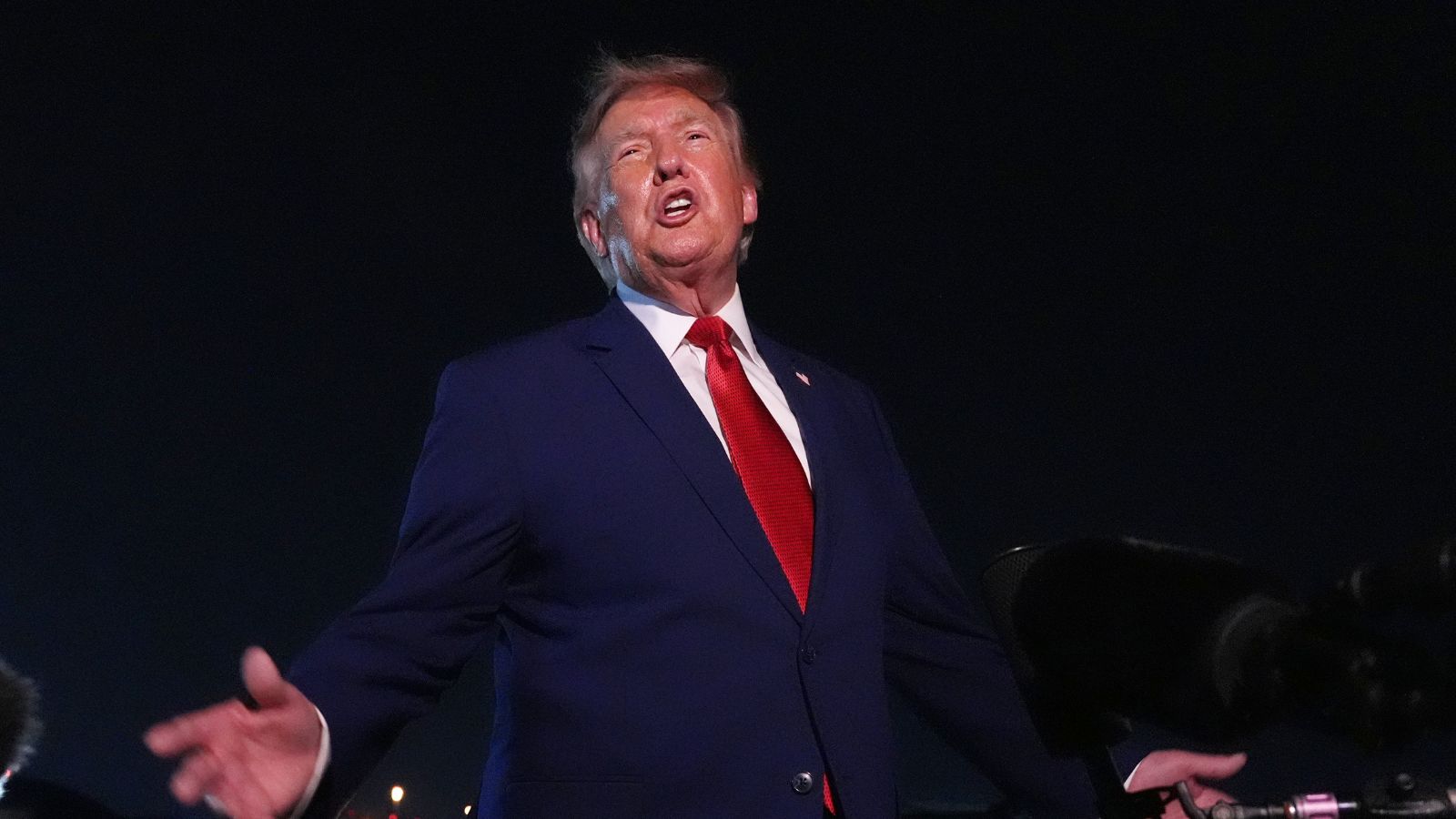
President Donald Trump reiterated his distrust of Iran, proclaiming that the United States now holds complete control over the strategically vital Strait of Hormuz and that Iran is no longer the region’s bully.
Key Takeaways
- Trump claims total US control over the Hormuz Strait
- Iran no longer deemed the Middle East bully
- Potential escalation of regional tensions
U.S. President Donald Trump told reporters, “Are you saying I trust Iran?! I’m the last person to trust Iran.” He added, “We have total control over the Hormuz Strait right now… we own it.”
The statement came amid renewed friction between Washington and Tehran, with both sides trading accusations over oil shipments and recent naval exercises, raising concerns for global maritime trade.
Historical Background
The Strait of Hormuz is one of the world’s most critical maritime chokepoints, channeling roughly 20% of global oil supplies. Since the 1970s, it has been at the heart of geopolitical confrontations, from the Iran‑Iraq War to the 1990‑91 Gulf War.
Why This Matters
BozokMedia analysis shows that any perceived shift in control over Hormuz can trigger rapid market reactions and influence global energy prices, making the president’s claim both a political statement and an economic signal.
“Claims alone do not reassure the international community; tangible naval presence does,” said international relations expert Prof. Ali Khan.
Frequently Asked Questions
- What is the strategic significance of the Strait of Hormuz? It links the Persian Gulf’s major oil exporters to global markets, making its control pivotal for worldwide energy security.
- How have US‑Iran relations evolved since the 1979 revolution? Post‑1979, the two nations have experienced cycles of sanctions, proxy conflicts, and intermittent diplomatic overtures, reflecting a volatile relationship.

