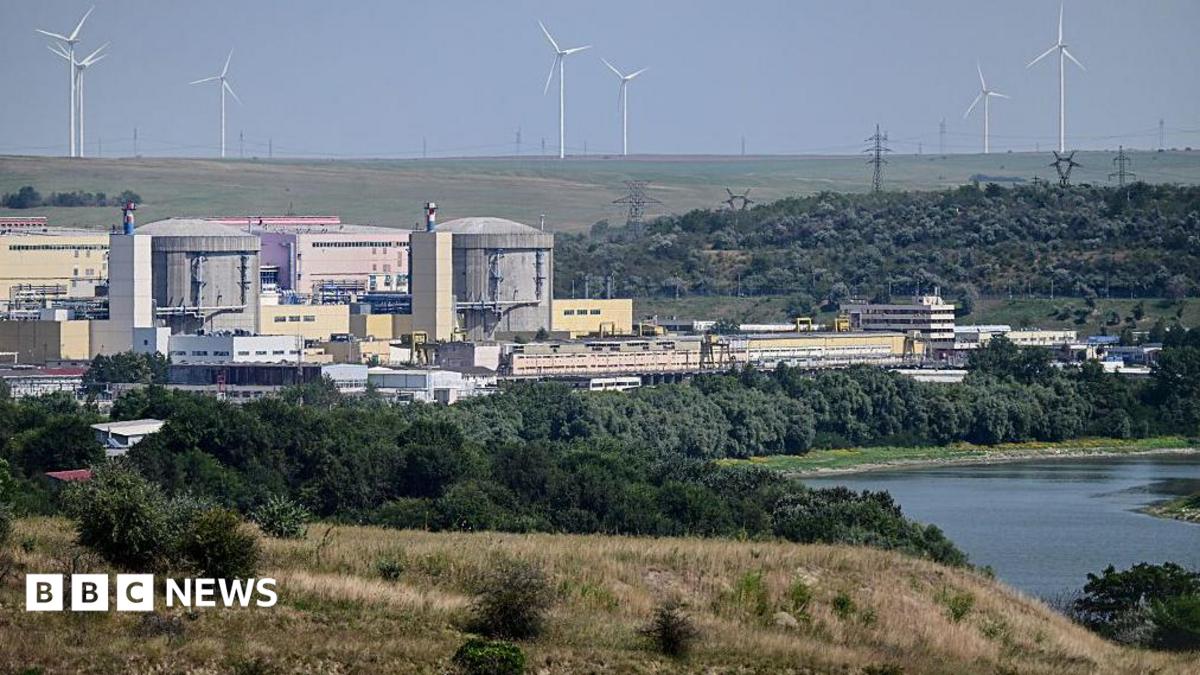
Extreme heatwaves across Europe have caused the Danube River to hit record lows, forcing Romania to shut down its sole nuclear power station, Cernavodă.
Key Takeaways
- The Cernavodă nuclear plant, providing 20% of Romania's power, has been shut down.
- Low water levels in the Danube River prevent adequate cooling for the reactors.
- A restart is not expected within the next 10 days.
- The crisis is driven by rapid warming across the European continent.
Romania has been forced to disconnect its only nuclear power station due to critically low water levels in the Danube River. The shortage is a direct consequence of prolonged, intense heatwaves sweeping across Europe, which have severely impacted the continent's major waterways.
The Cernavodă plant, which operates two 706-megawatt reactors and generates approximately 20% of the nation's electricity, saw its second reactor disconnected from the grid on Thursday. Plant director Romeo Urjan stated that a restart is unlikely within the next 10 days, noting that the first reactor had already been offline since July.
Why This Matters
BozokMedia analysis shows that this shutdown highlights a growing vulnerability in Europe's energy infrastructure. As climate change accelerates, the reliance on river-cooled nuclear plants and hydropower becomes a significant strategic risk, potentially forcing nations to rely heavily on expensive energy imports during peak hours.
The drying of Europe's arterial rivers is no longer a seasonal anomaly but a systemic threat to industrial and energy stability.
Regional Impact Comparison
| Country | Nuclear Plant Status | Primary Reason |
|---|---|---|
| Romania | Shutdown (Cernavodă) | Low Danube water levels |
| Hungary | At Risk (Paks) | Potential Danube water shortage |
| France | Economic Strain | Heatwave-related costs |
Historical Background
Cernavodă has only experienced a similar shutdown once before, back in 2003. However, the current environmental context is far more dire, as the Copernicus climate service reports that Europe is warming twice as fast as the global average, leading to unprecedented droughts and heatwaves.
Frequently Asked Questions
1. Why can't the plant just use less water?
The suction nozzles used to draw water for cooling cannot reach the current low levels of the riverbed.
2. How will Romania meet its electricity demand?
The country will rely more on solar and wind power during the day, but will likely need to import coal and gas-generated power during the evenings.