During the NATO summit in Turkey, the US Secret Service executed a high-stakes covert operation to move President Trump from Air Force One to a smaller jet following credible missile threats.
Key Takeaways
- A severe security threat was identified during the NATO summit in Ankara, Turkey.
- President Trump was covertly transferred from Air Force One to a C-32A jet to avoid MANPADS attacks.
- Intelligence suggested Iranian-linked threats involving shoulder-fired missiles.
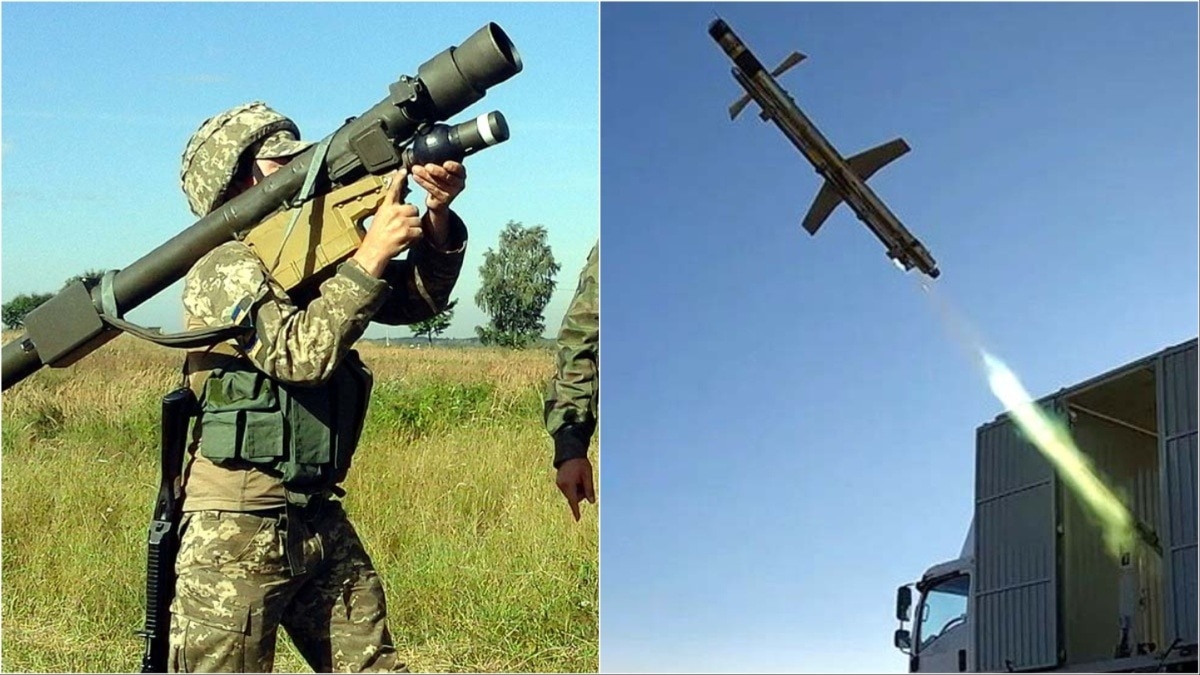
- MANPADS are uniquely dangerous because they are portable and heat-seeking, making them hard to detect.
In July 2026, the security protocols surrounding President Donald Trump faced a critical challenge during the NATO Summit in Ankara, Turkey. The US Secret Service received urgent intelligence regarding a potential threat to Air Force One from shoulder-fired surface-to-air missiles, commonly known as MANPADS.
To mitigate this risk, an extraordinary covert operation was launched. Instead of using the iconic large blue-and-white presidential aircraft, Trump and key officials were whisked away in an unmarked C-32A jet. To maintain total secrecy, the movement was disguised using vehicles that resembled ordinary catering trucks, ensuring the public and potential attackers remained unaware of the President's relocation.
Why the Threat Escalated
The heightened tension between the US and Iran played a pivotal role in this security crisis. Intelligence agencies received reports that an individual near the summit might be carrying a shoulder-fired missile. Furthermore, there were concerns that Iranian entities possessed precise intelligence regarding the President's exact location, including his specific hotel floor.
MANPADS have become a nightmare for aviation security because they operate passively, meaning they do not emit radar signals for detection.
BozokMedia analysis shows that the shift in modern warfare toward low-cost, highly portable, and lethal systems like MANPADS has forced global superpowers to rethink traditional presidential security measures. These missiles track the thermal signature of an engine rather than using radio waves, making them nearly invisible to standard radar.
Comparison of Threatening Missile Systems
| Feature | Iranian SA-67 (358) | Russian 9K333 Verba |
|---|---|---|
| Type | Loitering Surface-to-Air | MANPADS |
| Range | ~100-150 km | 6-6.5 km |
| Core Tech | Loitering/Hybrid System | Triple-channel Optical Seeker |
| Speed | 700-740 km/h | 1852 km/h |
The SA-67 is particularly menacing due to its 'loitering' capability, allowing it to hover in an area until a target is identified. On the other hand, the Verba system is a highly advanced 4th-generation MANPADS that uses multiple infrared sensors to distinguish between real targets and decoys, making it incredibly difficult to jam.
Frequently Asked Questions
1. Why was the President moved from Air Force One?
The move was a precautionary measure due to credible intelligence regarding shoulder-fired missile threats during the NATO summit.
2. What makes MANPADS different from traditional missiles?
Unlike traditional missiles, MANPADS are portable, heat-seeking, and do not emit radar waves, making them extremely difficult to detect before launch.

