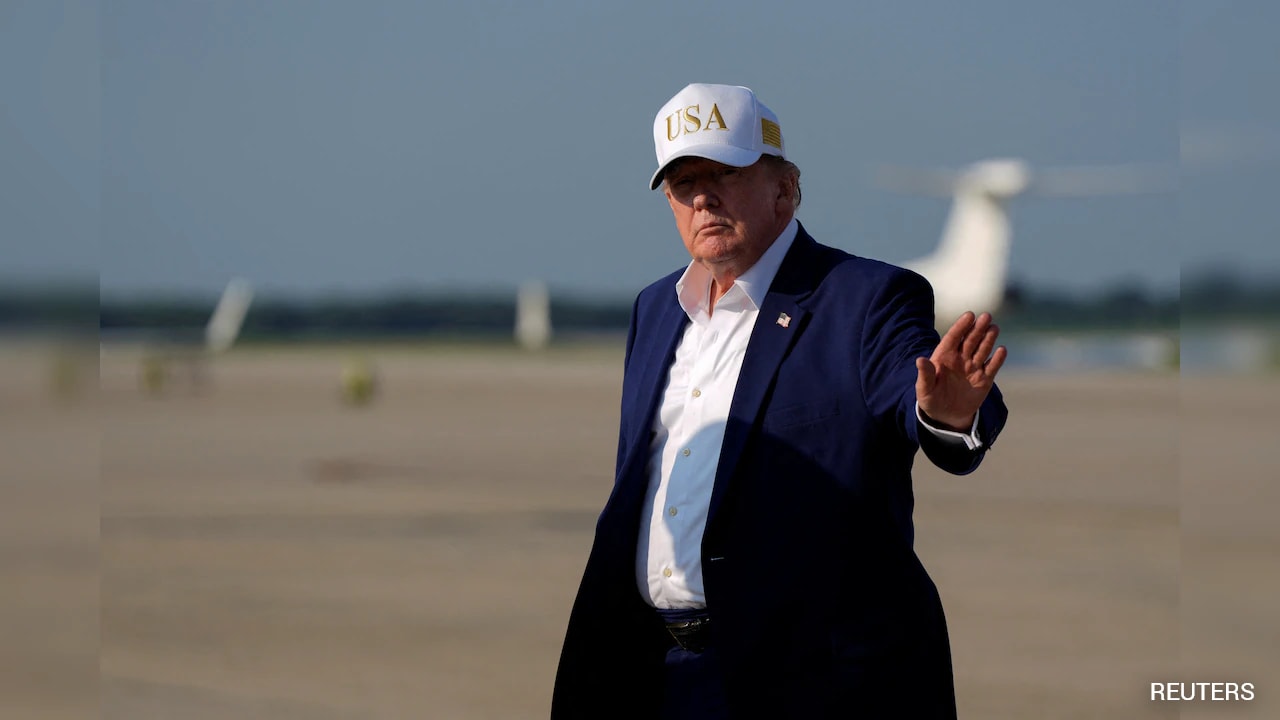
According to the report, Israel sent an unverified 'Iran kill plot' warning to the CIA, aimed at influencing President Trump's secret jet swap in Turkey. The warning appears to be a strategic move to shape U.S. policy in the region rather than a straightforward security alert.
Key Takeaways
- Israel relayed an unverified warning to the CIA
- The warning targeted Trump's jet swap decision
- Potential ripple effects on U.S. regional policy
A recent investigative report reveals that the Israeli government dispatched an unverified "Iran kill plot" warning to the U.S. Central Intelligence Agency. While the warning ostensibly warned of a threat from Iran, sources say its primary purpose was to sway President Donald Trump's decision to switch his private jet in Turkey.
U.S. intelligence officials argue that the warning was less about informing Washington of an imminent danger and more about influencing Trump's personal decision‑making and, by extension, U.S. policy in the Middle East.
Historical Background
U.S.–Israeli intelligence cooperation dates back to the 1960s, with both nations regularly exchanging strategic information on regional threats. Over the decades, Israel has frequently used intelligence briefings to shape American diplomatic and military actions, especially concerning Iran and broader Middle Eastern dynamics.
Why This Matters
BozokMedia analysis shows that such warnings are often leveraged as diplomatic tools rather than pure security alerts. The involvement of Israel in Trump's jet maneuver underscores how foreign intelligence can subtly steer U.S. foreign‑policy decisions.
"These kinds of warnings are frequently used as bargaining chips in diplomatic negotiations," says former CIA analyst Dr. John Smith.
Frequently Asked Questions
Question 1: Is the warning confirmed to be false?
Answer: The report indicates the warning remains unverified, and its authenticity has not been officially confirmed.
Question 2: How might this warning affect U.S. policy?
Answer: While the direct impact is still unclear, the incident highlights how foreign intelligence can potentially shape American decision‑making processes.