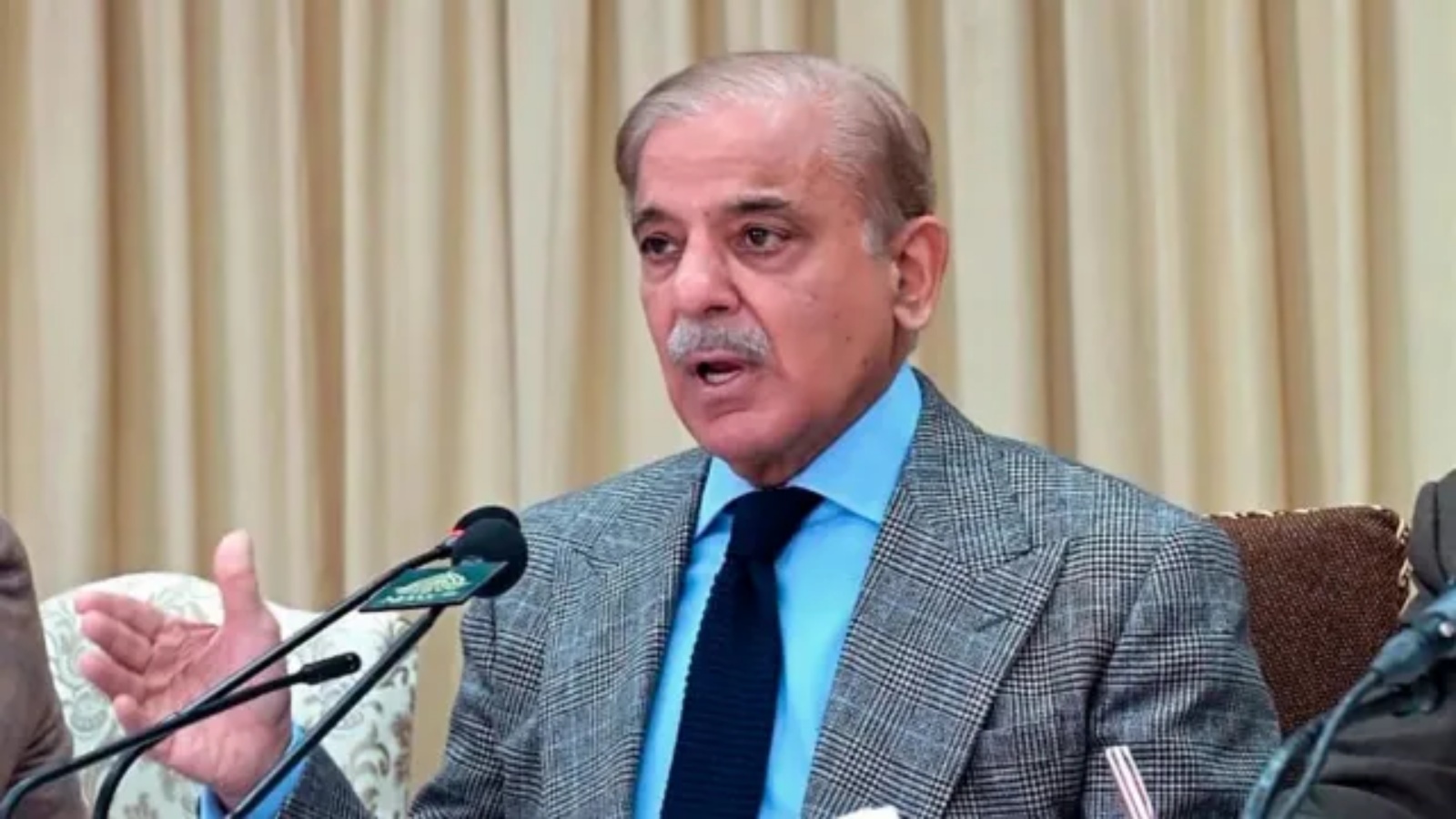
Pakistan PM Shehbaz Sharif has termed Pakistan's water supply as a 'red line' following India's suspension of the Indus Waters Treaty, prompting a sharp rebuttal from J&K CM Omar Abdullah.
Key Takeaways
- PM Shehbaz Sharif declared every drop of Pakistan's water a 'red line.'
- India placed the 1960 Indus Waters Treaty in abeyance in April 2025.
- J&K CM Omar Abdullah criticized the treaty for restricting Kashmir's water use.
- The move follows tensions after the Pahalgam terror attack.
During the inauguration of the 'Yadgar-e-Fatah' (Monument of Victory) in Islamabad, Pakistan Prime Minister Shehbaz Sharif issued a stern warning to India regarding the Indus Waters Treaty. Sharif criticized India's decision to keep the treaty in abeyance, labeling it a unilateral and illegal move. He emphasized that Pakistan's water supply is a "red line" and warned of a direct response if water security is threatened.
The geopolitical tension escalated after India announced on April 23, 2025, that it would suspend the treaty. This decision was a direct consequence of the Pahalgam terror attack on April 22, which resulted in 26 fatalities, and India's stance against Pakistan's support for cross-border terrorism.
Why This Matters
BozokMedia analysis shows that the weaponization of water resources is becoming a central theme in South Asian geopolitics. The shift from treaty-based cooperation to unilateral suspension marks a significant breakdown in long-standing diplomatic frameworks that have survived multiple wars.
Water has transitioned from a shared resource to a strategic lever in the high-stakes diplomacy between India and Pakistan.
Responding to the Pakistani Prime Minister's rhetoric, Jammu and Kashmir Chief Minister Omar Abdullah offered a stinging rebuttal. Abdullah argued that the 1960 treaty has historically constrained the region's ability to utilize its own natural resources. He highlighted restrictions on drinking water from the Chenab and the inability to construct vital barrages and dams.
"This water is ours... these are our rivers, and we had a rightful claim to them," Abdullah stated, emotionally linking the rivers to the identity of the Kashmiri people. He further advocated for the continued suspension of the treaty, suggesting that the cancellation would allow Jammu and Kashmir to finally harness its full hydro-potential.
Historical Background
The Indus Waters Treaty (IWT), signed in 1960 with World Bank mediation, divides the Indus river system. India was allocated the eastern rivers (Ravi, Beas, Sutlej), while Pakistan was granted rights to the western rivers (Indus, Jhelum, Chenab), with limited exceptions for India's domestic and hydroelectric use.
Frequently Asked Questions
1. Why did India suspend the Indus Waters Treaty?
India suspended the treaty in response to the Pahalgam terror attack and Pakistan's continued involvement in cross-border terrorism.
2. What is Omar Abdullah's stance on the treaty?
Omar Abdullah believes the treaty has hindered the development of Jammu and Kashmir and supports its cancellation.