Saudi Arabia, Turkiye, and Pakistan have formalized the 'Mecca Agreement,' a landmark trilateral defence pact. This move promises collective deterrence and could radically reshape security dynamics across West and South Asia.
Key Takeaways
- Saudi Arabia, Turkiye, and Pakistan have signed the trilateral 'Mecca Agreement.'
- The pact aims to establish collective deterrence against external aggression.
- The alliance has significant implications for West Asia, South Asia, and Europe.
- India faces a complex strategic challenge in balancing ties with all involved parties.
In a move that has sent ripples through the global diplomatic community, Saudi Arabia, Turkiye, and Pakistan have officially signed the Mecca Agreement. This trilateral defence pact is designed to create a formidable front of collective deterrence, ensuring that any aggression against one member is met with a unified response. This marks a significant shift in the military landscape of the region.
The implications of this alliance extend far beyond the borders of the three signatory nations. Analysts suggest that the pact could fundamentally alter the security architecture of West Asia, South Asia, and even Europe. By aligning the economic might of Saudi Arabia, the military sophistication of Turkiye, and the strategic depth of Pakistan, this bloc creates a new power center.
Why This Matters
BozokMedia analysis shows that this agreement represents a departure from traditional security models often dominated by Western powers. This new regional architecture seeks to establish autonomy in security decision-making. For global markets, particularly in the energy and defense sectors, this alliance signifies a consolidation of influence that cannot be ignored.
The Mecca Agreement is not merely a military treaty; it is the blueprint for a new era of regional hegemony in the Islamic world.
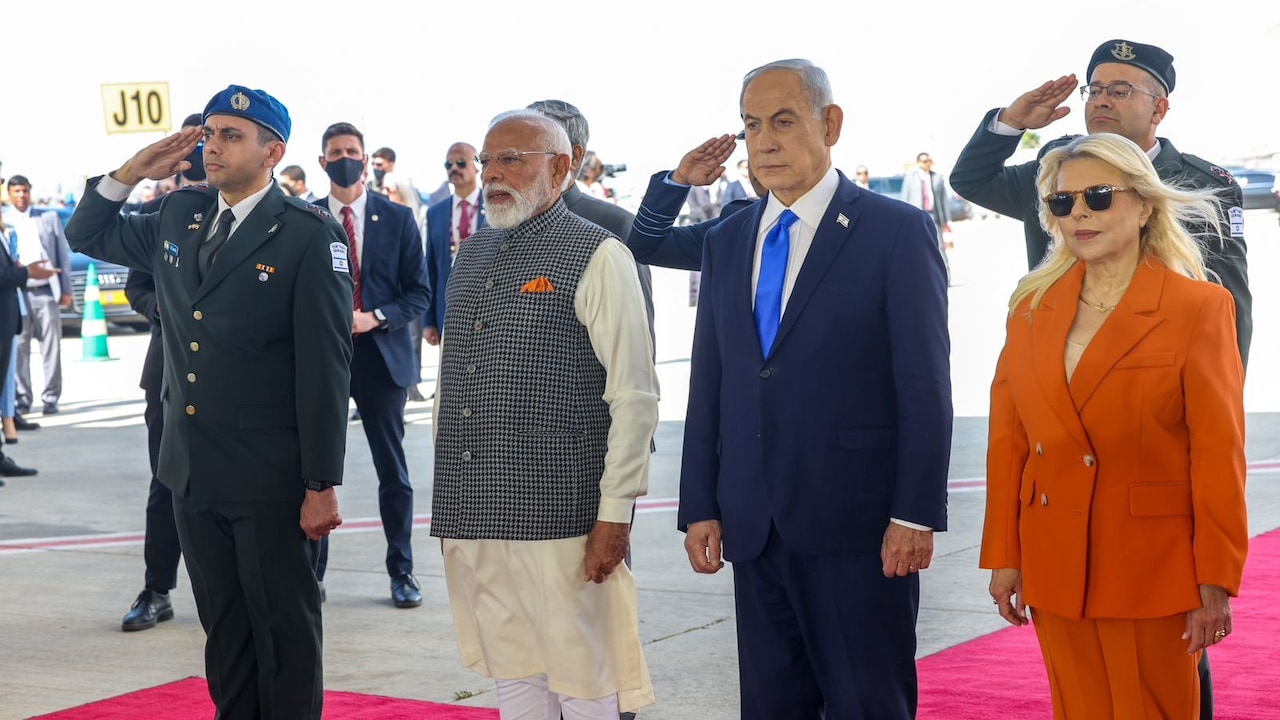
For India, the strategic calculus becomes increasingly complex. New Delhi must navigate its growing economic partnership with Saudi Arabia, its complex relationship with Turkiye, and its deepening strategic ties with Israel. The emergence of this bloc will require India to recalibrate its regional security policy to protect its own national interests.
Historical Background
Historically, security in West Asia has been heavily influenced by US-led alliances and various bilateral pacts. The Mecca Agreement represents a shift toward 'intra-regionalism,' where regional players seek to solve regional problems through local coalitions rather than relying on extra-regional superpowers.
Frequently Asked Questions
1. What is the primary goal of the Mecca Agreement?
The primary goal is to provide collective military deterrence against any external aggression targeting the member nations.
2. How does this affect India's foreign policy?
India may need to balance its strategic interests across the new bloc while maintaining its existing partnerships with Saudi Arabia and Israel.