Tensions escalate as Iran asserts control over the Strait of Hormuz, while Donald Trump prepares Americans for the economic fallout of surging gasoline prices.
- Iran maintains a defiant stance regarding the closure of the Strait of Hormuz.
- Donald Trump advises US citizens to accept higher gasoline costs as a consequence of foreign policy.
- Global energy markets face extreme volatility due to the potential disruption of oil flows.
The geopolitical friction between Washington and Tehran has reached a critical juncture. Iran has reaffirmed its resolve to maintain control over the Strait of Hormuz, a vital artery for global energy supplies. Any disruption in this narrow waterway could send shockwaves through the global economy, triggering a massive spike in crude oil prices.
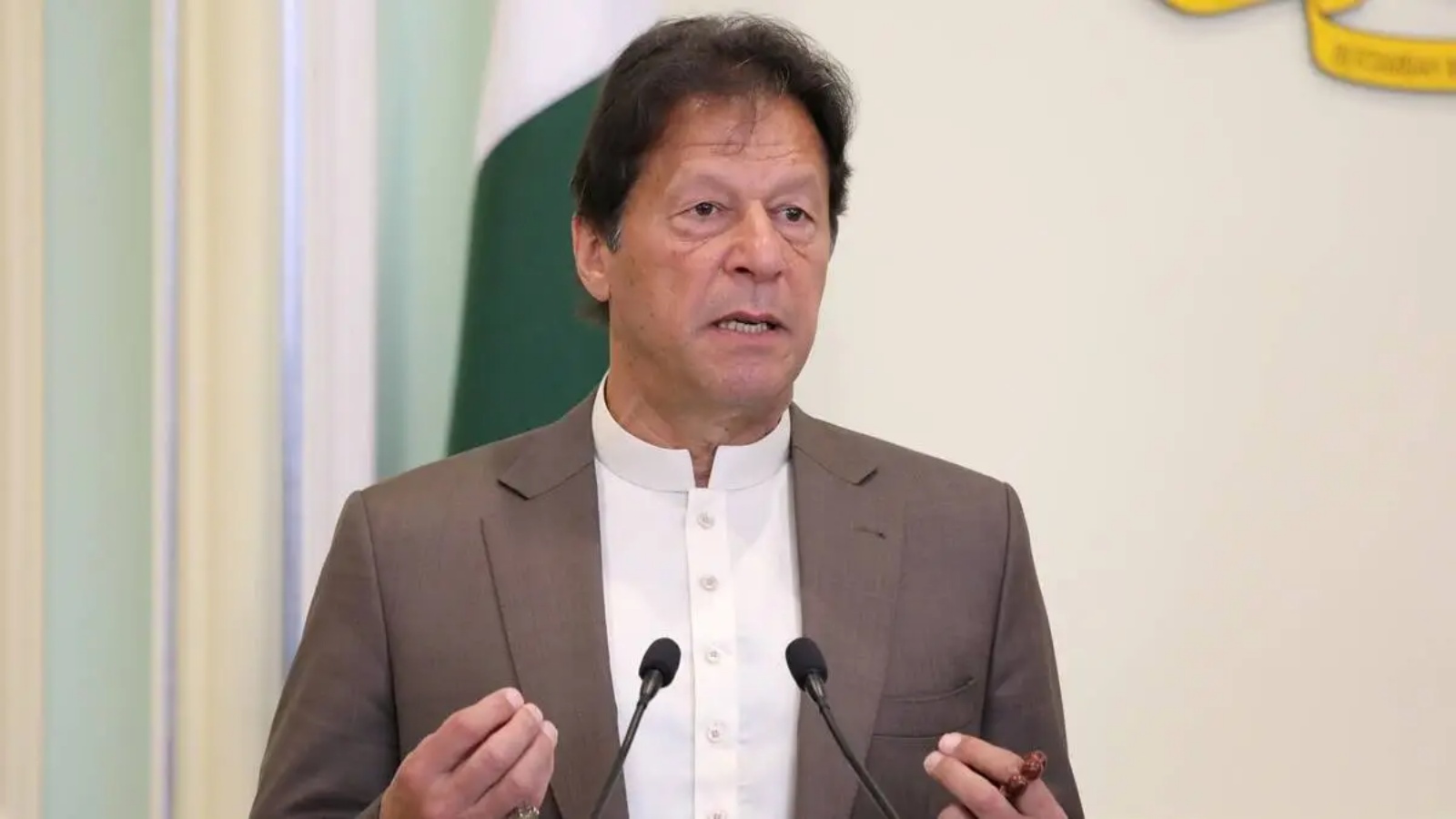
In a strategic communication to the American public, Donald Trump has urged citizens to accept the reality of higher gasoline prices. This admission comes amidst a policy of 'maximum pressure' on Iran, where economic sanctions are used as a primary tool to force behavioral changes in the Iranian regime.
Why This Matters
BozokMedia analysis shows that the current standoff is a high-stakes game of chicken. By threatening the Strait of Hormuz, Iran is leveraging its geographic advantage to counter US economic warfare. For the global market, this means that oil prices are no longer dictated solely by supply and demand, but by political volatility.
"When energy infrastructure becomes a tool for diplomatic coercion, the entire global supply chain becomes vulnerable to sudden, unpredictable shocks."
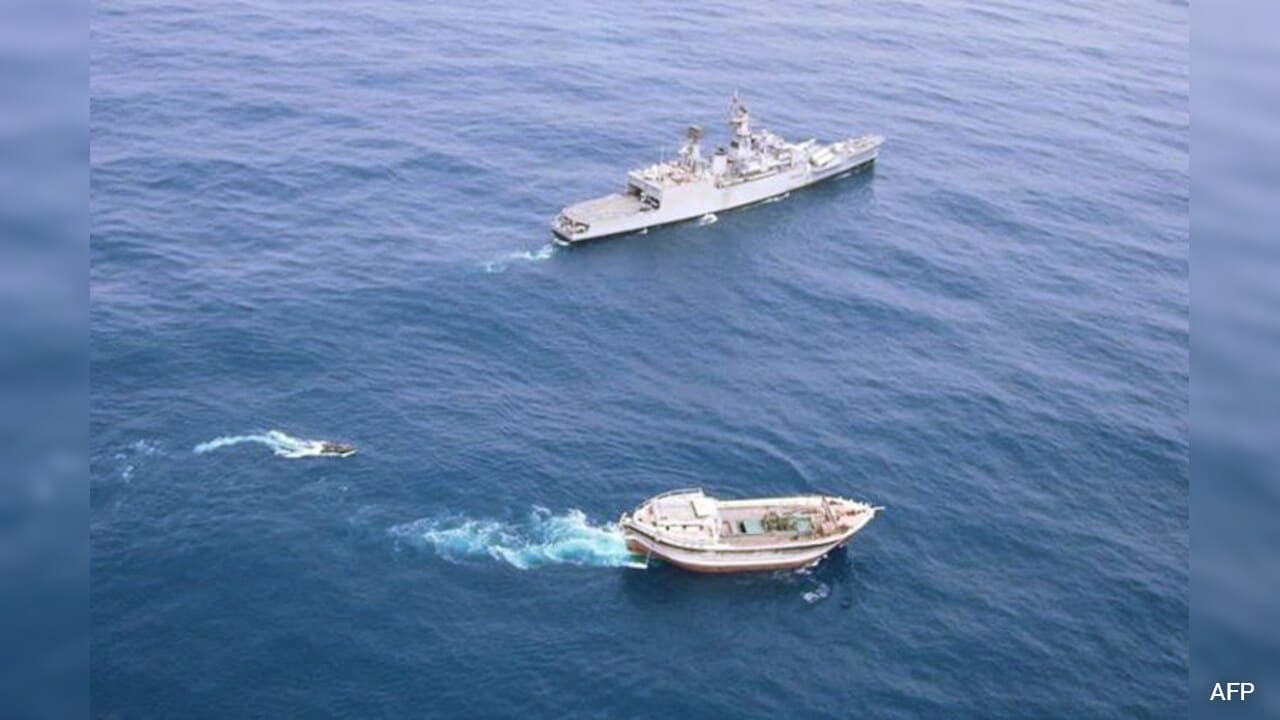
Historically, the Strait of Hormuz has been the epicenter of various maritime disputes. Iran's ability to deploy fast-attack boats and mines makes the prospect of a closure a credible threat, even if it risks an all-out military confrontation with the US Navy.
The broader implications extend beyond the US. Major oil-importing nations in Asia, particularly China and India, are closely monitoring the situation, as any blockage would necessitate a rapid search for alternative energy sources or a costly increase in import budgets.
Frequently Asked Questions
1. Why is the Strait of Hormuz so critical?
It is the only sea passage from the Persian Gulf to the open ocean, making it essential for oil exports from Saudi Arabia, Iraq, and the UAE.
2. What is the link between Trump's statement and Iran?
Trump's warning suggests that the US is willing to endure domestic inflation (higher gas prices) to maintain its hardline stance against Iran.