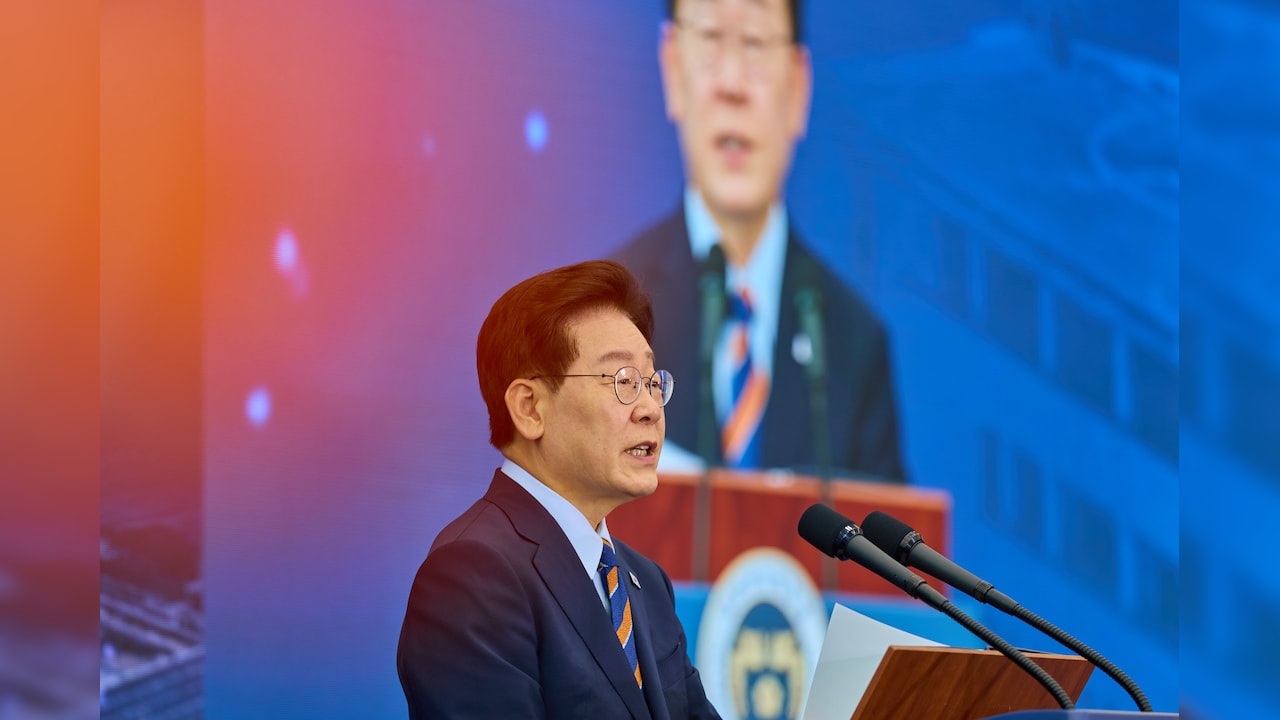
South Korean leader Lee has proposed immediate dialogue with North Korea, asserting that peaceful coexistence is a strategic necessity rather than a concession.
Key Takeaways
- Leader Lee proposed dialogue to ensure peaceful coexistence on the peninsula.
- North Korea has consistently rejected South Korea's engagement attempts.
- Tensions are rising due to South Korea's nuclear-powered submarine plans.
In a significant diplomatic move, South Korean leader Lee has called for renewed peace talks with North Korea. Emphasizing a vision for long-term stability, Lee argued that pursuing peaceful coexistence is not a sign of weakness or a 'concession,' but a fundamental necessity for the survival and prosperity of both nations.
Diplomatic Deadlock and Escalation
Despite these overtures, the diplomatic landscape remains fraught with tension. Pyongyang has so far rebuffed all repeated attempts at engagement from the South. Furthermore, the relationship has been strained by North Korea's sharp criticism of South Korea's recent strategic plans involving nuclear-powered submarines, which they have labeled as highly provocative.
Why This Matters
BozokMedia analysis shows that the current standoff is not just a local dispute but a critical flashpoint in global geopolitics. The cycle of South Korean military modernization and North Korean retaliatory rhetoric creates a high-stakes environment where miscalculation could lead to large-scale conflict.
Diplomacy remains the only viable mechanism to prevent a localized skirmish from escalating into a regional catastrophe.
Historical Background: Since the signing of the Armistice Agreement in 1953, the Korean Peninsula has existed in a state of technical warfare. While there have been numerous summits and peace initiatives over the decades, the fundamental ideological divide and the race for nuclear supremacy continue to stall lasting peace.
Frequently Asked Questions
Q1: Why does Lee say coexistence is not a concession?
A: He believes that seeking peace is a proactive strategic measure for stability, not a surrender of sovereignty.
Q2: What is the main cause of recent tension?
A: The primary friction points include South Korea's nuclear submarine plans and North Korea's refusal to engage in dialogue.