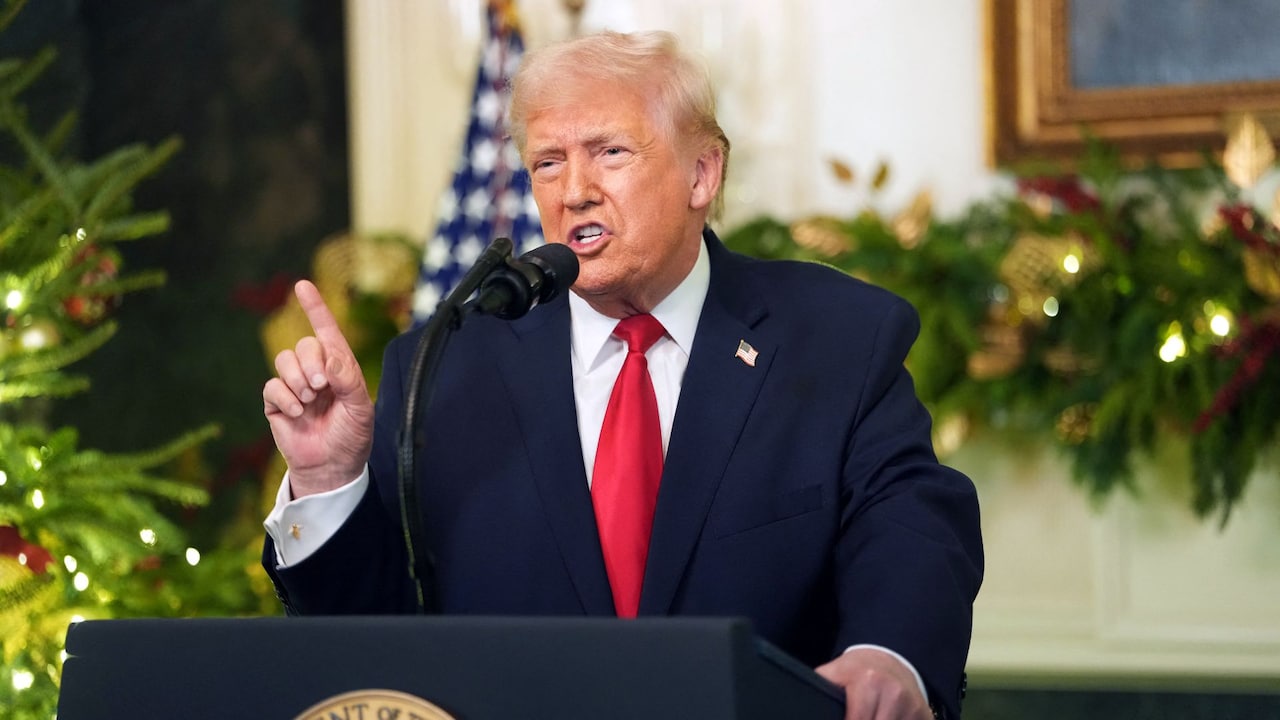
Former President Donald Trump says the United States will label the Strait of Hormuz as a "territory" as tensions with Iran rise. This move could reshape global oil markets.
Key Takeaways
- Trump proposes declaring the Strait of Hormuz as a US territory
- Potential surge in oil prices amid heightened Iran‑US tensions
- Possible shift in US maritime security policy
Former President Donald Trump announced that the United States intends to designate the strategic Strait of Hormuz as a "US territory" amid escalating tensions with Iran. The strait, through which roughly half of the world’s oil shipments pass, is a pivotal chokepoint in global energy logistics.
Control over Hormuz would give the US unprecedented geopolitical leverage, but analysts warn it could also trigger volatility in oil markets. Shipping routes might be rerouted, and the risk of a naval confrontation could rise sharply.
Historical Background
The Strait of Hormuz has long been a flashpoint. During the 1980‑1988 Iran‑Iraq war, both sides threatened to close the strait, causing oil prices to spike. In 2019, Iranian threats to seize commercial vessels again underscored the waterway’s strategic importance.
Why This Matters
BozokMedia analysis shows that Trump’s statement could disrupt international oil trade, leading to rapid price increases and broader economic uncertainty.
"Designating Hormuz as US territory is an unprecedented move that could rewrite global shipping and energy security," says international relations expert Dr. Emily Carter.
Frequently Asked Questions
Question 1: Is Trump’s declaration legally binding?
Answer: While a president can make bold statements, establishing sovereign control over an international waterway would require compliance with international law and likely UN approval.
Question 2: How might this affect oil prices?
Answer: If the declaration leads to actual enforcement, supply disruptions could push crude prices higher, affecting economies worldwide.