Donald Trump has signaled a substantial reduction in joint military exercises with South Korea, citing high costs and diplomatic disagreements regarding Iran.
Key Takeaways
- Trump aims to 'substantially reduce' joint military exercises with South Korea.
- The decision follows South Korea's refusal to assist in Iran's denuclearization.
- Trump cited his positive relationship with Kim Jong Un as a factor.
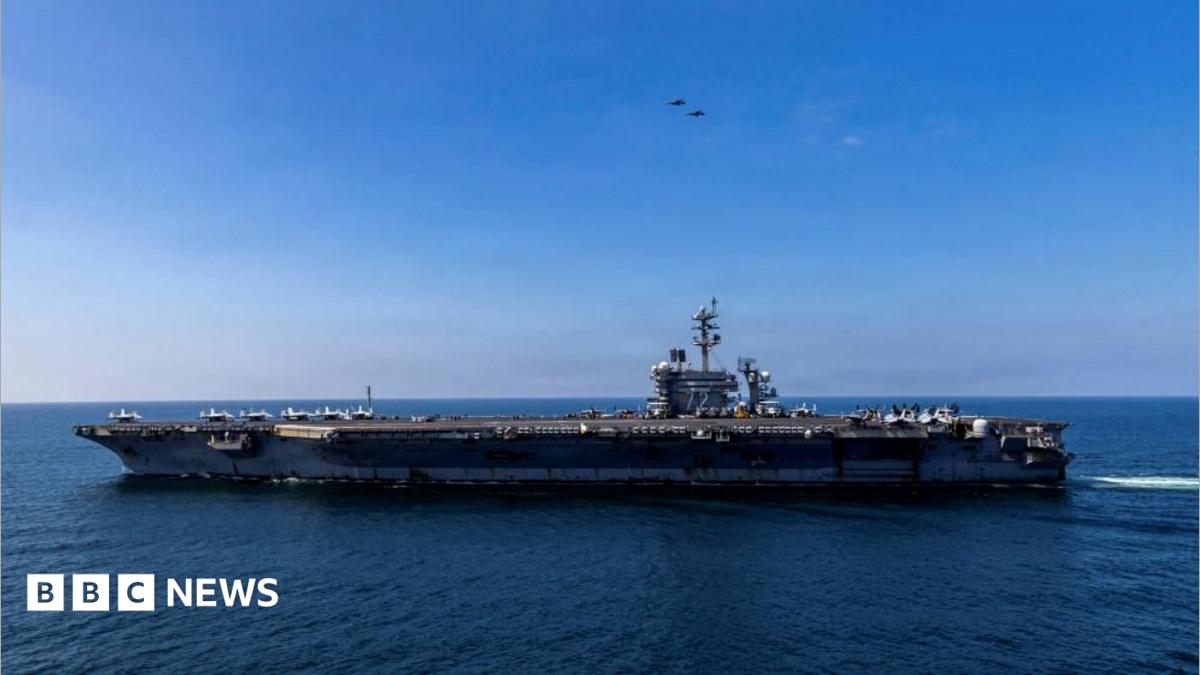
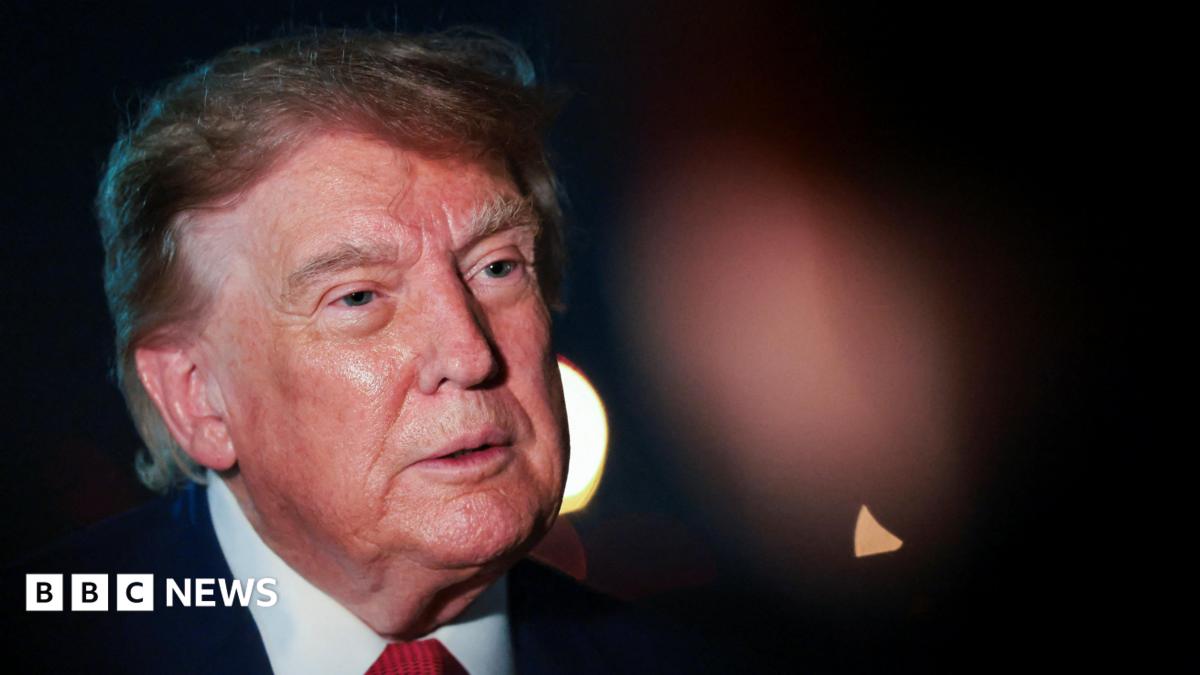
In a move that could reshape Pacific geopolitics, Donald Trump has announced that the United States will "substantially reduce" joint military exercises with South Korea. Taking to Truth Social on Sunday evening, Trump criticized the drills, labeling them as excessively costly for the American taxpayer and sending an "inappropriate and hostile" signal to the region.
The pivot comes at a sensitive diplomatic juncture. Trump noted that South Korea had recently declined to support the United States in its efforts toward the denuclearization of Iran. This refusal appears to have strained the bilateral relationship, prompting a shift in how Washington approaches its military partnership with Seoul.
Why This Matters
BozokMedia analysis shows that this decision represents a significant departure from decades of established American foreign policy in Asia. By leveraging his unique rapport with North Korean leader Kim Jong Un, Trump is prioritizing a direct diplomatic path with Pyongyang over traditional alliance-based containment strategies. This could potentially destabilize the current security architecture in East Asia.
Trump's strategy signals a shift from traditional alliance reinforcement to a personalized diplomacy model.
Historically, these military exercises have served as a cornerstone of the US-South Korea alliance, intended to deter North Korean aggression. However, Trump's view of these exercises as a financial burden and a diplomatic liability suggests a fundamental re-evaluation of the cost-benefit analysis of American overseas commitments.
Frequently Asked Questions
1. Why is Trump reducing military drills?
He cited high costs to the US and a desire to avoid sending hostile signals, while noting his relationship with Kim Jong Un.
2. What role did Iran play in this decision?
Trump indicated that South Korea's refusal to aid US efforts in Iran's denuclearization influenced this shift.