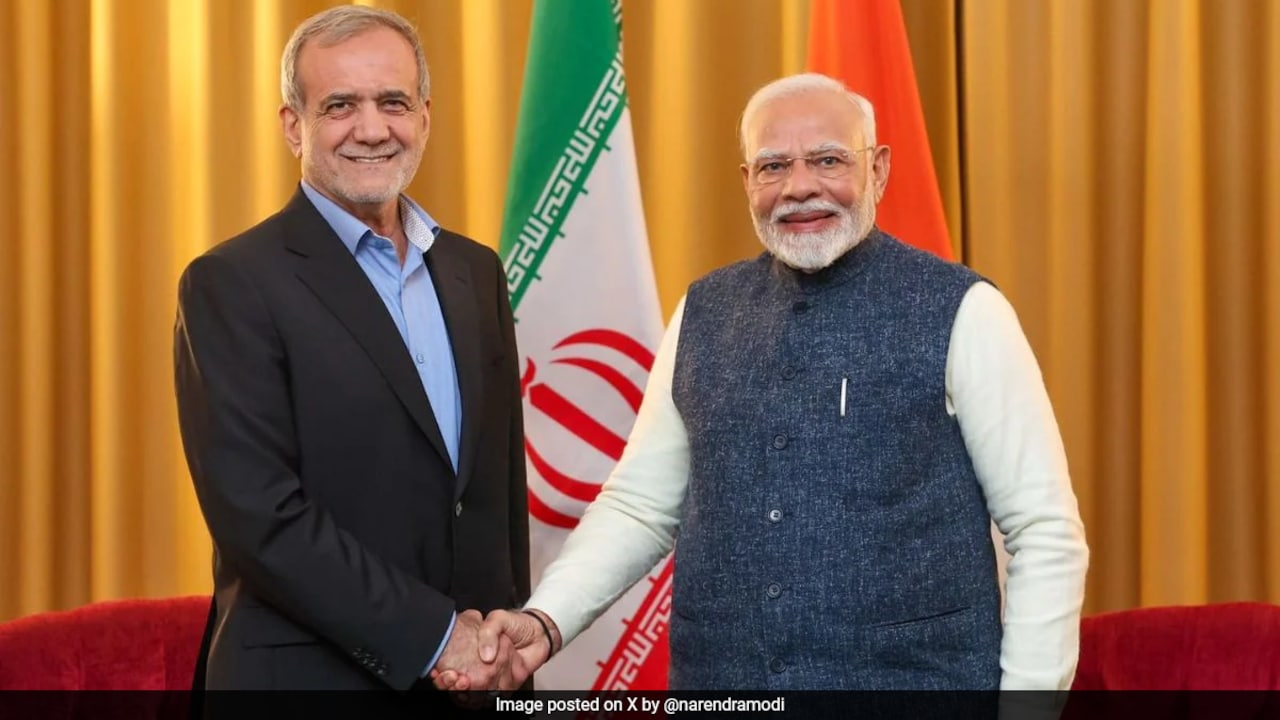
Iranian President Pezeshkian extended Independence Day wishes to India, calling the bilateral relationship a valuable asset. The statement underscores deep historic and strategic ties between the two nations.
Key Takeaways
- Iranian President labels India a "valuable asset"
- Message delivered on India's 80th Independence Day
- Emphasis on historic and strategic partnership
Iranian President Pezeshkian sent heartfelt congratulations to India on August 15, marking the country's 80th Independence Day. In his address, he described India‑Iran relations as "a valuable asset," highlighting the depth of mutual friendship and cooperation.
The gesture aims to strengthen expanding economic, energy, and cultural collaborations. Iran counts India among its top oil buyers, while India seeks Iranian partnership in infrastructure and health sectors.
Historical Background
India‑Iran ties stretch back centuries, anchored by ancient trade routes like the Silk Road that facilitated exchange of goods and ideas. In the 20th century, both nations signed numerous bilateral agreements, especially in the energy domain, laying the groundwork for today’s partnership.
Why This Matters
BozokMedia analysis shows that this public endorsement could pave the way for deeper strategic partnerships, especially in energy security and regional stability, at a time when both nations seek diversified alliances.
"The renewed diplomatic warmth will likely accelerate joint ventures in energy and infrastructure, while enhancing cultural understanding," says international relations expert Dr. Rajat Singh.
Frequently Asked Questions
Q1: Will this statement trigger new trade initiatives between India and Iran?
A: Analysts believe the political goodwill will fast‑track fresh energy and infrastructure projects.
Q2: How might this affect regional security dynamics?
A: Strengthened cooperation could enhance stability across Central and South Asia.