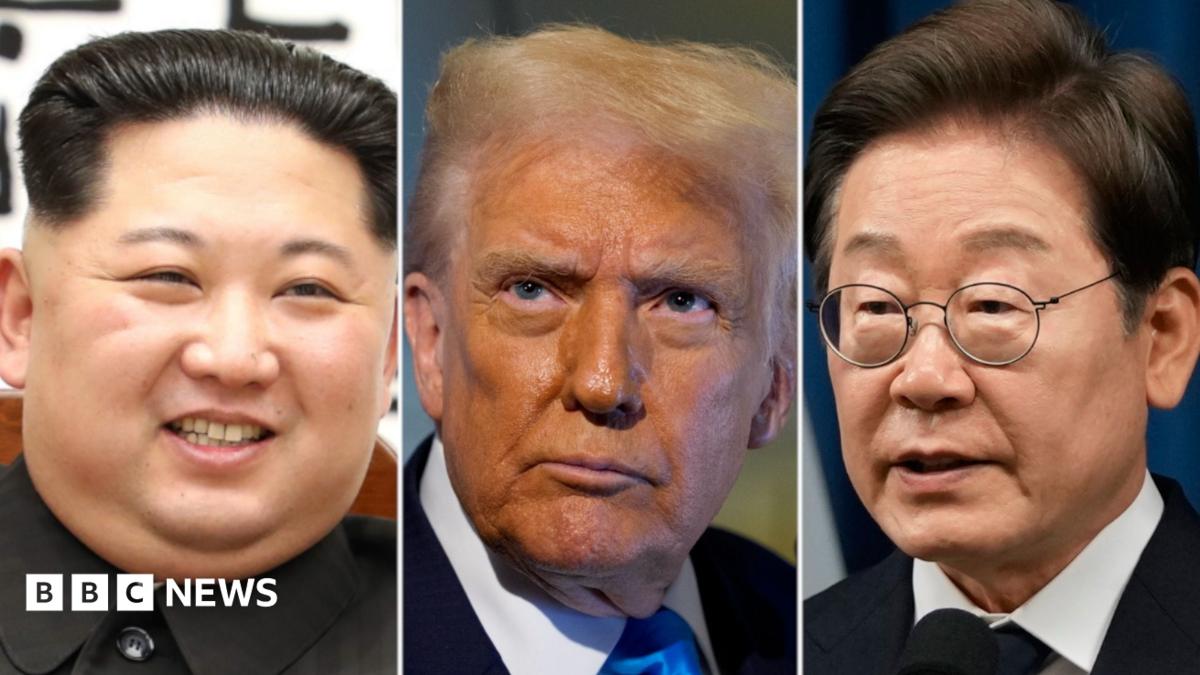
President Donald Trump has announced a significant reduction in joint military exercises with South Korea, citing his strong rapport with Kim Jong Un and frustration over Seoul's stance on Iran.
- The US will substantially reduce joint military drills with South Korea.
- Trump cited his "very good relationship" with Kim Jong Un as a primary driver.
- Decision linked to South Korea's refusal to join US efforts in Iran's denuclearization.
In a move that has sent ripples through the Indo-Pacific region, President Donald Trump has declared that the United States will "substantially reduce" its joint military exercises with South Korea. This pivot represents a departure from long-standing US strategic policy, which has relied on visible military presence to deter aggression from Pyongyang.
The President attributed this shift to his unique personal diplomacy with North Korean leader Kim Jong Un. By emphasizing a "very good relationship," Trump suggests that the traditional posture of military intimidation is no longer necessary to maintain stability or pursue denuclearization on the peninsula.
Why This Matters
BozokMedia analysis shows that this decision is less about North Korean peace and more about leveraging alliance dynamics. Trump's apparent frustration with Seoul regarding its reluctance to support the US position on Iran's denuclearization suggests that the US is using its security guarantees as a bargaining chip to enforce global policy alignment.
"The decoupling of military readiness from diplomatic signaling in Korea is a high-stakes gamble that tests the resilience of the US-ROK alliance."
Historically, these joint exercises have served as the cornerstone of the US-South Korea security architecture. Since the armistice of the Korean War, these drills have been essential for interoperability and provided a clear signal of commitment to the defense of the South.
The sudden reduction in these activities could create a security vacuum. Critics argue that removing these deterrents may embolden Kim Jong Un, potentially leading to an increase in provocations or a shift in the regional balance of power toward China and North Korea.
Frequently Asked Questions
Q1: Why is Trump reducing military exercises with South Korea?
A: He cited his strong personal relationship with Kim Jong Un and expressed frustration over South Korea's lack of cooperation regarding Iran's denuclearization.
Q2: What are the potential risks of this decision?
A: It may weaken the deterrent against North Korean aggression and strain the trust between the US and its key East Asian ally.