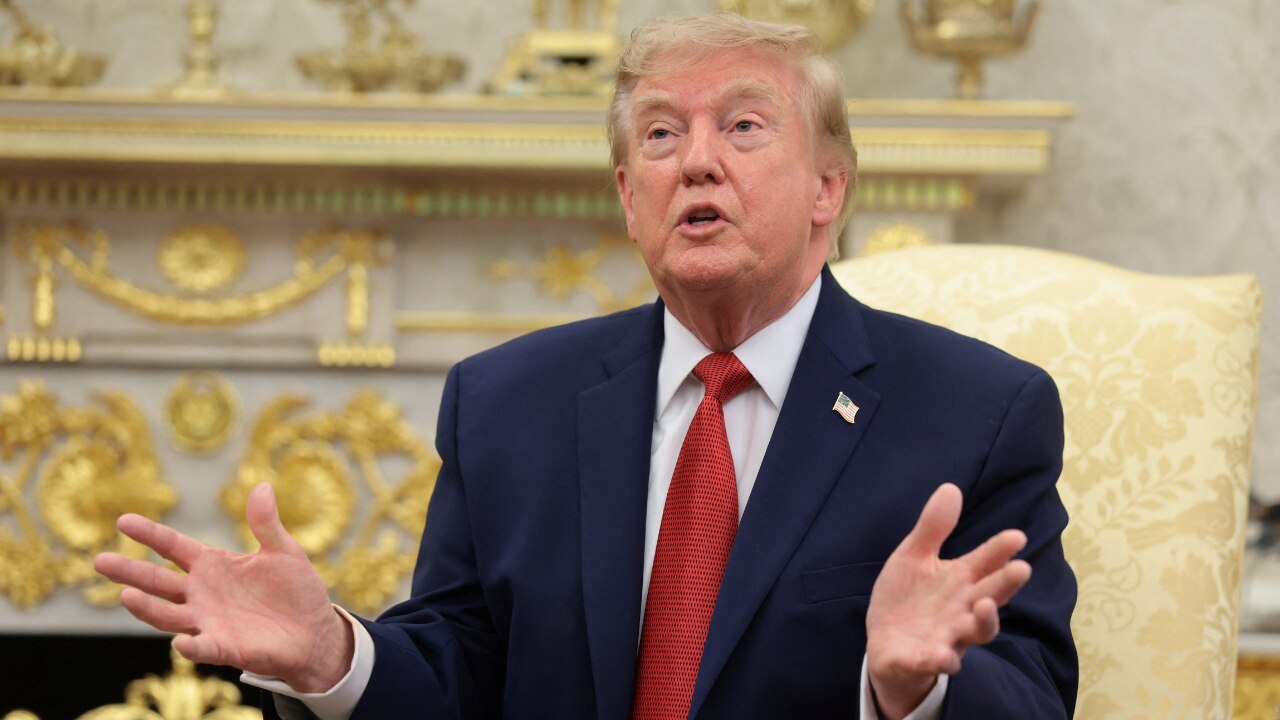
President Donald Trump has confirmed that the US is not seeking to extend the interim peace agreement with Iran following the expiration of a 60-day deadline, escalating regional tensions.
- The US has officially declined to extend the interim peace deal with Iran.
- The critical 60-day window for diplomatic negotiation has now lapsed.
- The move signals a return to a hardline stance against Tehran's nuclear ambitions.
In a move that has sent ripples through the international diplomatic community, President Donald Trump has stated that the United States is not seeking an extension of the interim peace deal with Iran. The announcement follows the expiration of a strictly monitored 60-day deadline intended to serve as a bridge toward a more permanent resolution.
This decision is widely interpreted as a strategic pivot back to the 'Maximum Pressure' campaign. By allowing the interim deal to lapse, the Trump administration is signaling that it will no longer accept temporary concessions and is demanding a comprehensive overhaul of Iran's regional behavior and nuclear capabilities.
Why This Matters
BozokMedia analysis shows that this lapse in diplomacy creates a dangerous power vacuum in the Middle East. Without a governing interim framework, the risk of miscalculation between US and Iranian forces in contested waters increases significantly, potentially disrupting global energy supplies and triggering economic volatility.
"The expiration of this deadline marks the end of the 'grace period' and the beginning of a high-stakes geopolitical standoff."
Historically, the relationship between Washington and Tehran has been characterized by deep-seated mistrust. From the 1979 hostage crisis to the collapse of the JCPOA, the cycle of sanctions and defiance has persisted. The current situation represents one of the most precarious moments in recent decades, as both nations appear to be digging into their respective ideological trenches.
The global community now awaits Iran's response. Whether Tehran chooses to escalate its nuclear enrichment process or seeks a new diplomatic channel remains the pivotal question for global security. The lack of a buffer agreement leaves the region vulnerable to sudden escalations.
Frequently Asked Questions
Q1: What was the purpose of the interim deal?
The interim deal was designed as a short-term cooling-off period to prevent conflict while negotiators worked on a long-term peace treaty.
Q2: How could this affect oil prices?
Increased tensions in the Persian Gulf often lead to 'risk premiums' in oil pricing, causing sudden spikes in fuel costs globally.