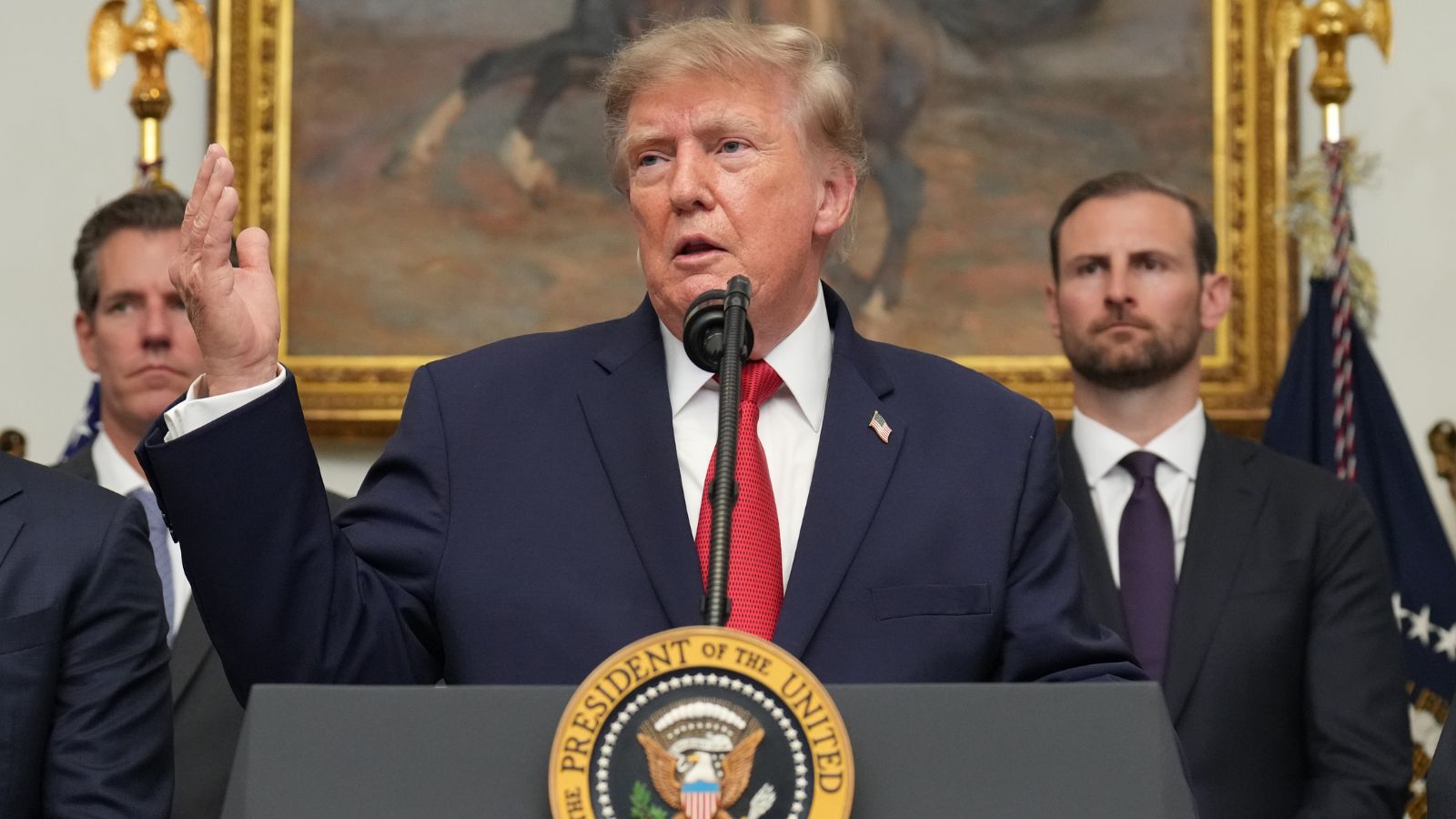
Donald Trump has revealed the existence of covert communication channels with Iran's IRGC, emphasizing that preventing Iran from obtaining nuclear weapons remains his absolute priority.
- Donald Trump confirmed the use of backchannels to communicate with IRGC officials.
- Preventing Iran from achieving nuclear capability is stated as the 'number one goal'.
- Trump expressed that he is in 'no hurry' to reach a formal deal with Tehran.
In a significant revelation regarding Middle Eastern diplomacy, Donald Trump has acknowledged that backchannel communications exist between his representatives and officials of Iran's Islamic Revolutionary Guard Corps (IRGC). This admission comes amid a volatile geopolitical climate where the US and Iran continue to clash over nuclear proliferation and regional influence.
Trump reiterated that his primary objective is to ensure that Iran does not acquire nuclear weapons. While acknowledging the utility of secret channels, he emphasized a patient approach, stating he is in "no hurry" to finalize any agreement. This suggests a tactical preference for leverage over rapid diplomacy, aiming to force Iran into more stringent concessions.
Why This Matters
BozokMedia analysis shows that this dual-track approach—combining public hostility with private communication—is designed to keep Tehran off-balance. By maintaining a backchannel, the US avoids total diplomatic blackout while keeping the threat of sanctions or military action viable. This strategy directly impacts global energy markets, as any shift in US-Iran relations triggers immediate volatility in oil prices.
“The use of backchannels allows for a 'deniable' diplomacy where both parties can test waters without the political risk of a public failure.”
The historical context of this rivalry dates back to the 1979 Islamic Revolution. While the 2015 Joint Comprehensive Plan of Action (JCPOA) sought to limit Iran's nuclear ambitions, Trump's subsequent withdrawal from the deal in 2018 reset the relationship to one of "Maximum Pressure." The current discourse indicates that while the tools of diplomacy have changed, the core objective of non-proliferation remains unchanged.
Furthermore, the mention of potential frictions with neighboring allies, such as Oman, highlights the complexity of these negotiations. Oman has traditionally served as a key mediator between Washington and Tehran, and any tension in this relationship could jeopardize the very backchannels Trump is now acknowledging.
Frequently Asked Questions
1. What is a 'backchannel' in diplomacy?
A backchannel is an unofficial, secret communication path used by governments to negotiate without the public scrutiny of formal diplomatic channels.
2. Why is the IRGC significant in these talks?
The IRGC holds immense power within Iran's political and military structure, making them essential for any agreement that requires internal Iranian enforcement.