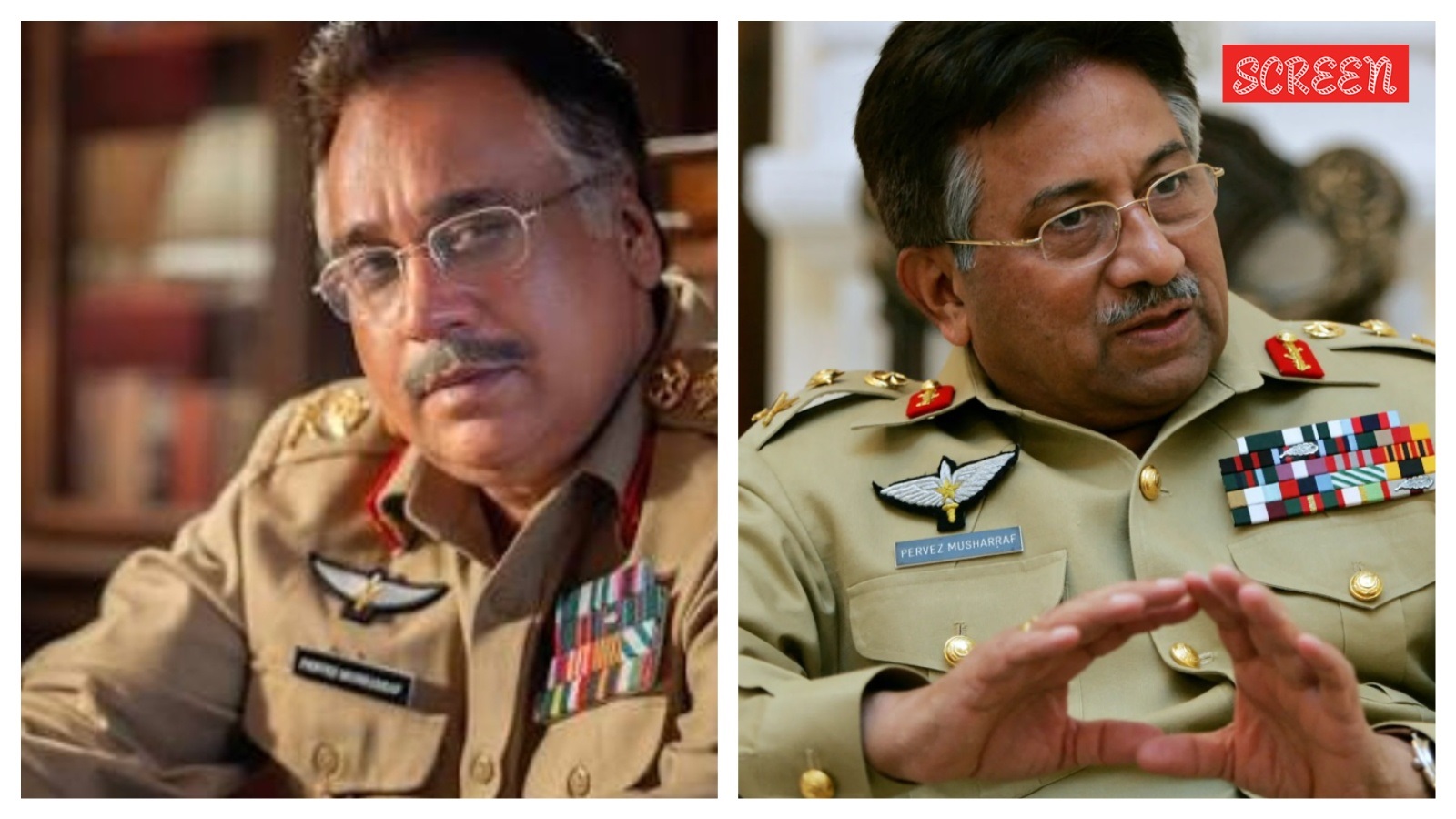
Tracing the volatile trajectory of Pervez Musharraf from the architect of the Kargil intrusion to Pakistan's President and his eventual lonely end in exile.
- Pervez Musharraf orchestrated the Kargil intrusion before seizing power in a 1999 military coup.
- The 2001 Agra Summit between Musharraf and Atal Bihari Vajpayee ended in a diplomatic stalemate.
- Musharraf's tenure was marked by the 2001 Parliament attack and Operation Parakram.
- He died in exile in Dubai in 2023 after facing high treason charges in Pakistan.
The legacy of Pervez Musharraf remains one of the most contentious chapters in South Asian geopolitics. As depicted in the period war drama Operation Safed Sagar, Musharraf was the chief architect of the 1999 Kargil intrusion, a move that brought India and Pakistan to the brink of a full-scale nuclear war. While the Indian Air Force and Army successfully reclaimed the peaks during Operation Vijay, the internal fallout in Pakistan was just beginning.
Following the conflict, tensions peaked between Musharraf and then-Prime Minister Nawaz Sharif. In a dramatic sequence of events in September 1999, Sharif attempted to neutralize Musharraf by sending him to Sri Lanka. Upon his return, Musharraf was denied landing rights at Karachi airport, prompting a swift military rebellion. The army seized control of the capital, Islamabad, and placed Sharif under house arrest, marking the beginning of Musharraf's era as Chief Executive and later President.
Why This Matters
BozokMedia analysis shows that Musharraf's rise shifted Pakistan's internal power dynamic permanently toward the military establishment. His dual role as a military general and a civilian president created a paradox where he sought international legitimacy while maintaining an iron grip on domestic power, often at the cost of democratic stability.
Diplomatically, Musharraf's relationship with India was a rollercoaster of gestures and aggression. In 2001, following the Gujarat earthquake, he sent relief supplies to India, leading to the historic Agra Summit with Prime Minister Atal Bihari Vajpayee. However, the summit collapsed due to irreconcilable differences over the Kashmir conflict, highlighted by the firm stance of Home Minister Lal Krishna Advani.
Musharraf's career serves as a textbook example of how military ambition can temporarily override diplomatic prudence, leading to long-term strategic isolation.
The subsequent 2001 Indian Parliament attack further deteriorated ties, leading to Operation Parakram, where both nations mobilized thousands of troops along the Line of Control (LoC). This period solidified the image of Musharraf as a leader who oscillated between peace overtures and supporting terror infrastructure.
Musharraf's downfall began in 2007 as domestic opposition grew, leading to impeachment proceedings. After resigning in 2009, he lived in exile in London. Despite an attempt to return to politics in 2013, he was charged with high treason and spent his final years in Dubai, battling amyloidosis until his death in February 2023.
| Event | Musharraf's Role/Outcome | Impact on India-Pak Relations |
|---|---|---|
| Kargil War (1999) | Chief Architect | Severe Trust Deficit |
| Agra Summit (2001) | Presidential Delegate | Diplomatic Stalemate |
| Parliament Attack (2001) | Accused Enabler | Operation Parakram (Mobilization) |
Frequently Asked Questions
Q1: Why was Pervez Musharraf exiled from Pakistan?
He faced organized domestic opposition and was eventually charged with high treason after his resignation in 2009.
Q2: What was the outcome of the Agra Summit?
The summit ended in failure as Musharraf left without an agreement, primarily due to disagreements over the Kashmir issue.