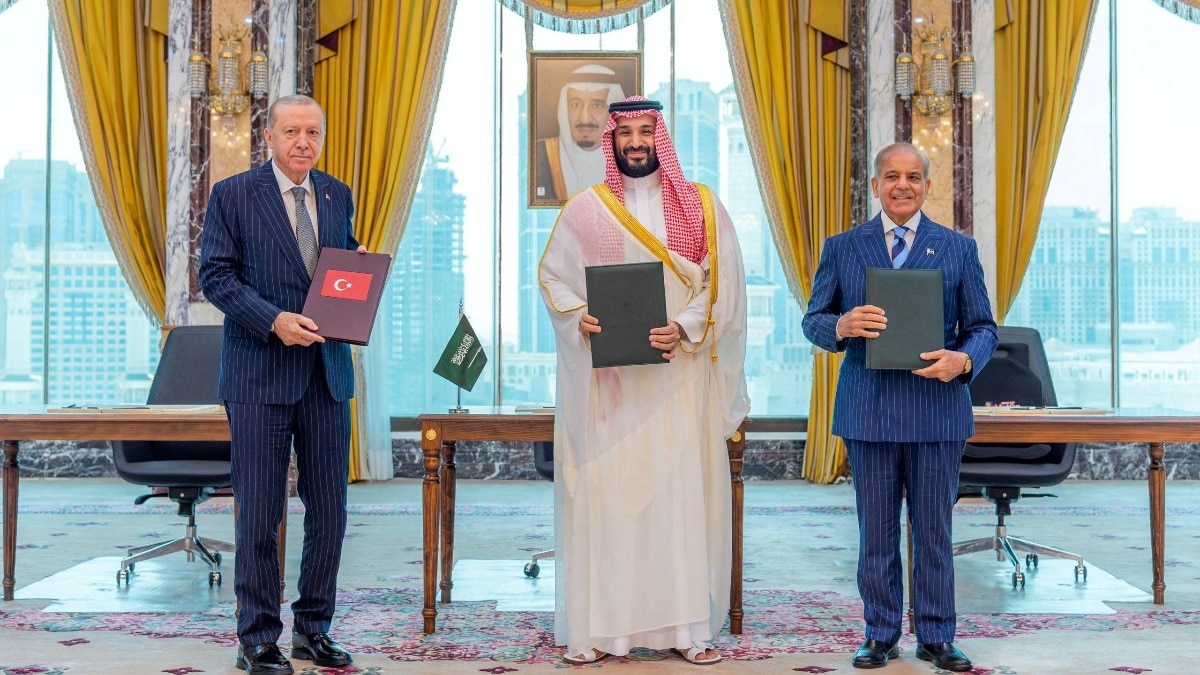
The newly signed Mecca Pact has heightened tensions between the UAE and Saudi Arabia, casting new shadows over the growing India‑Israel partnership. Analysts warn this could reshape the power balance across the Middle East.
Key Takeaways
- The Mecca Pact intensifies UAE‑Saudi friction.
- India‑Israel cooperation adds complexity to the divide.
- Regional power dynamics may shift dramatically.
The recent agreement signed in Mecca, commonly referred to as the "Mecca Pact," binds the United Arab Emirates and Saudi Arabia in a fresh set of economic and security commitments. While promising deeper collaboration, the pact also exposes underlying rivalries that have long simmered between the two Gulf powerhouses.
Simultaneously, India and Israel are forging a fast‑growing strategic partnership that is reshaping their foreign‑policy calculus. This emerging axis, intersecting with the Mecca Pact, has the potential to alter the Middle East’s strategic equilibrium.
Why This Matters
BozokMedia analysis shows that the pact could create a new geopolitical fault line, where the India‑Israel axis amplifies existing UAE‑Saudi tensions. Shifts in investment flows, energy security arrangements, and defense collaborations are likely to present both risks and opportunities for the involved parties.
"The Mecca Pact could redefine Middle Eastern politics," says a regional security expert.
Frequently Asked Questions
Question 1: What is the primary goal of the Mecca Pact?
Answer: To strengthen economic ties and enhance coordinated security measures between the UAE and Saudi Arabia.
Question 2: How might the India‑Israel axis influence this growing rift?
Answer: Joint technology and defense projects between India and Israel could add new layers of complexity to UAE‑Saudi relations.