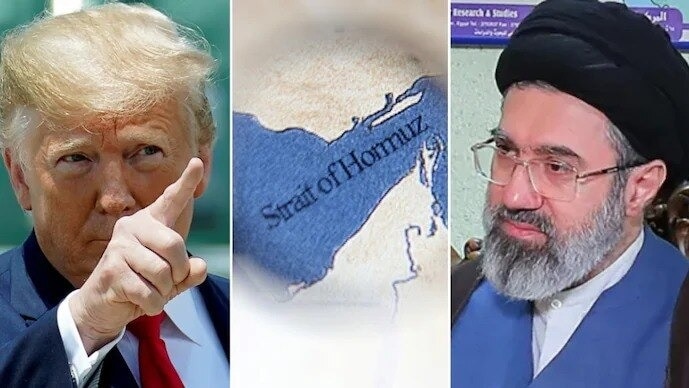
Tehran has given Washington a few weeks to honor ceasefire terms following the expiration of a 60-day negotiation window, threatening military action in the Strait of Hormuz.
- Iran has set a 'few weeks' deadline for the US to implement June ceasefire provisions.
- Control over the strategic Strait of Hormuz remains the primary point of contention.
- President Donald Trump has demanded Iran's surrender and issued threats toward Oman.
Tensions between the United States and Iran have reached a critical flashpoint. Following the expiration of a 60-day negotiation window intended to finalize a permanent peace deal, Tehran has issued a stark warning to Washington: implement the terms of the June ceasefire within a few weeks, or face military consequences.
The conflict stems from a memorandum signed on June 17, which mandated a halt to military operations. Under the agreement, the US was required to lift its naval blockade of Iran within 30 days, while Iran was tasked with ensuring the safe passage of commercial vessels through the Strait of Hormuz.
Why This Matters
BozokMedia analysis shows that the current deadlock is not merely a bilateral dispute but a systemic threat to global energy security. Since the Strait of Hormuz is the primary artery for global LNG and oil shipments, any 'precise military attack' as threatened by Tehran could trigger an immediate global economic shock and invite direct US military intervention.
"The shift from defensive to offensive posturing by Tehran suggests that diplomacy has reached a dead end, leaving military escalation as the only remaining lever."
A senior Iranian official revealed to Reuters that the nation has transitioned to a "fully offensive" posture. Tehran has signaled its readiness to launch timely attacks to break the US naval blockade if the preconditions for further negotiations—namely the full implementation of the June agreement—are not met.
Simultaneously, Donald Trump has escalated the rhetoric. In a recent interview with Fox News, the US President demanded that Iran "put up the white flag of surrender." In a surprising turn, Trump also threatened Oman, stating that if the Sultanate interfered in US interests, they would be subjected to severe bombing.
The instability is further compounded by the actions of Iran-backed Houthi fighters in Yemen. Recent missile attacks on Saudi military vessels in the Bab el-Mandeb Strait demonstrate that the conflict is expanding across multiple strategic maritime chokepoints, from the Red Sea to the Persian Gulf.
| Issue | Iran's Position | US Position |
|---|---|---|
| Hormuz Control | Right to manage via Article 5 | Rejects interpretation; demands free transit |
| Blockade | Demands immediate lifting of blockade | Claims Iran violated terms first |
Frequently Asked Questions
1. What is the deadline given by Iran?
Iran has given the US a window of 'a few weeks' to fulfill the ceasefire commitments.
2. Why is the Strait of Hormuz so important?
It is the world's most important oil transit chokepoint, connecting the Persian Gulf with the open ocean.