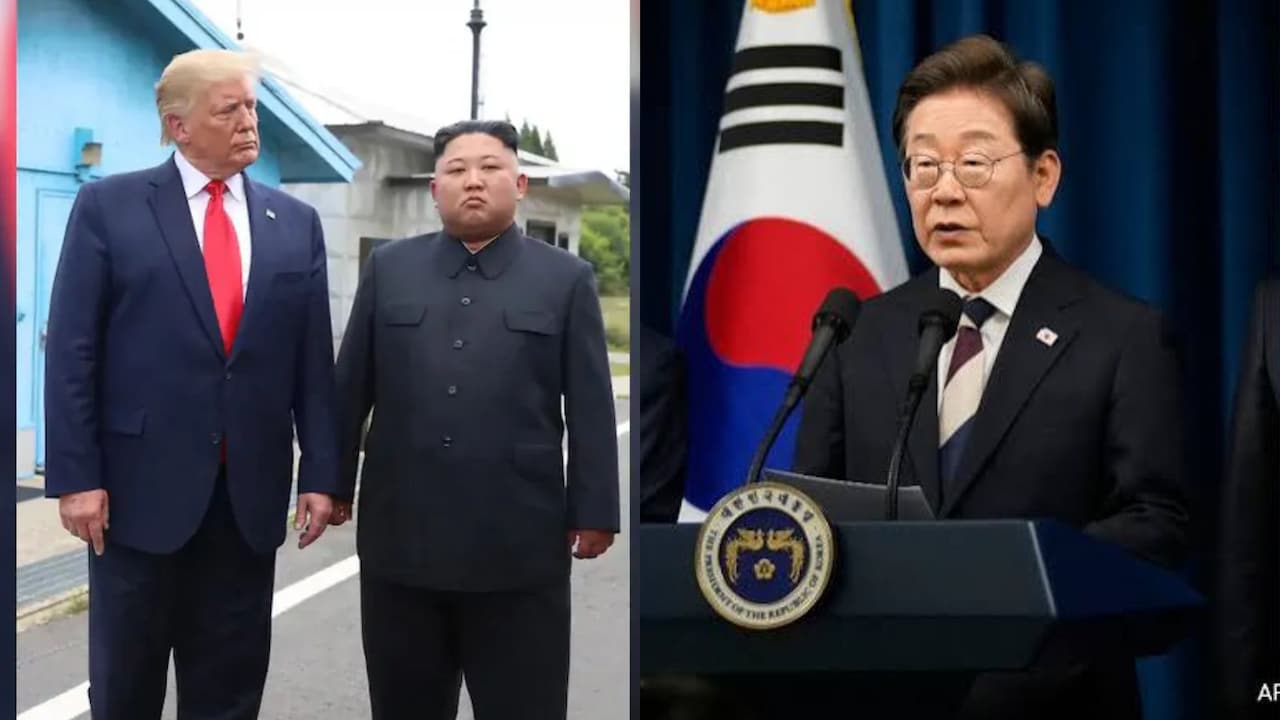
President Donald Trump has ordered a reduction in joint military exercises with South Korea, citing his positive rapport with Kim Jong Un. The move aims to foster diplomatic talks but has sparked concerns over regional security readiness.
- President Trump ordered a cut in joint military exercises with South Korea.
- The decision is based on Trump's perceived positive relationship with Kim Jong Un.
- Security analysts express concern over the potential degradation of allied combat readiness.
In a strategic pivot that has sent ripples through the Indo-Pacific region, US President Donald Trump has ordered a significant reduction in military drills conducted alongside South Korea. This decision marks a departure from the conventional strategy of military deterrence, aiming instead to pave the way for high-level diplomatic engagement with Pyongyang.
The White House has indicated that the move is a gesture of goodwill toward North Korean leader Kim Jong Un. Trump has frequently touted his personal chemistry with the North Korean leader as a primary tool for resolving the long-standing nuclear standoff that has threatened global security for decades.
Why This Matters
BozokMedia analysis shows that this shift indicates a transition from institutionalized deterrence to individualized diplomacy. While this could potentially break a decades-long deadlock, it introduces a volatility factor where regional security depends more on personal rapport than on established military protocols.
"Trading strategic readiness for diplomatic goodwill is a high-risk strategy in a region where miscalculations can lead to catastrophic conflict."
Historically, the joint exercises between the US and South Korea have served as a critical deterrent against North Korean aggression. These drills ensure interoperability between the two forces and signal a unified front against any potential provocation from the North.
However, the Trump administration argues that these exercises are often viewed by North Korea as provocative 'rehearsals for invasion,' which in turn triggers missile tests and aggressive rhetoric. By curbing these activities, the US hopes to lower the temperature and bring Kim Jong Un to the negotiating table.
Frequently Asked Questions
1. Does the reduction in drills weaken South Korea's defense?
Critics argue it may reduce operational readiness, while proponents believe it reduces the likelihood of an accidental escalation.
2. What is the ultimate goal of this policy change?
The primary objective is to establish a diplomatic channel to achieve the denuclearization of the Korean Peninsula.


