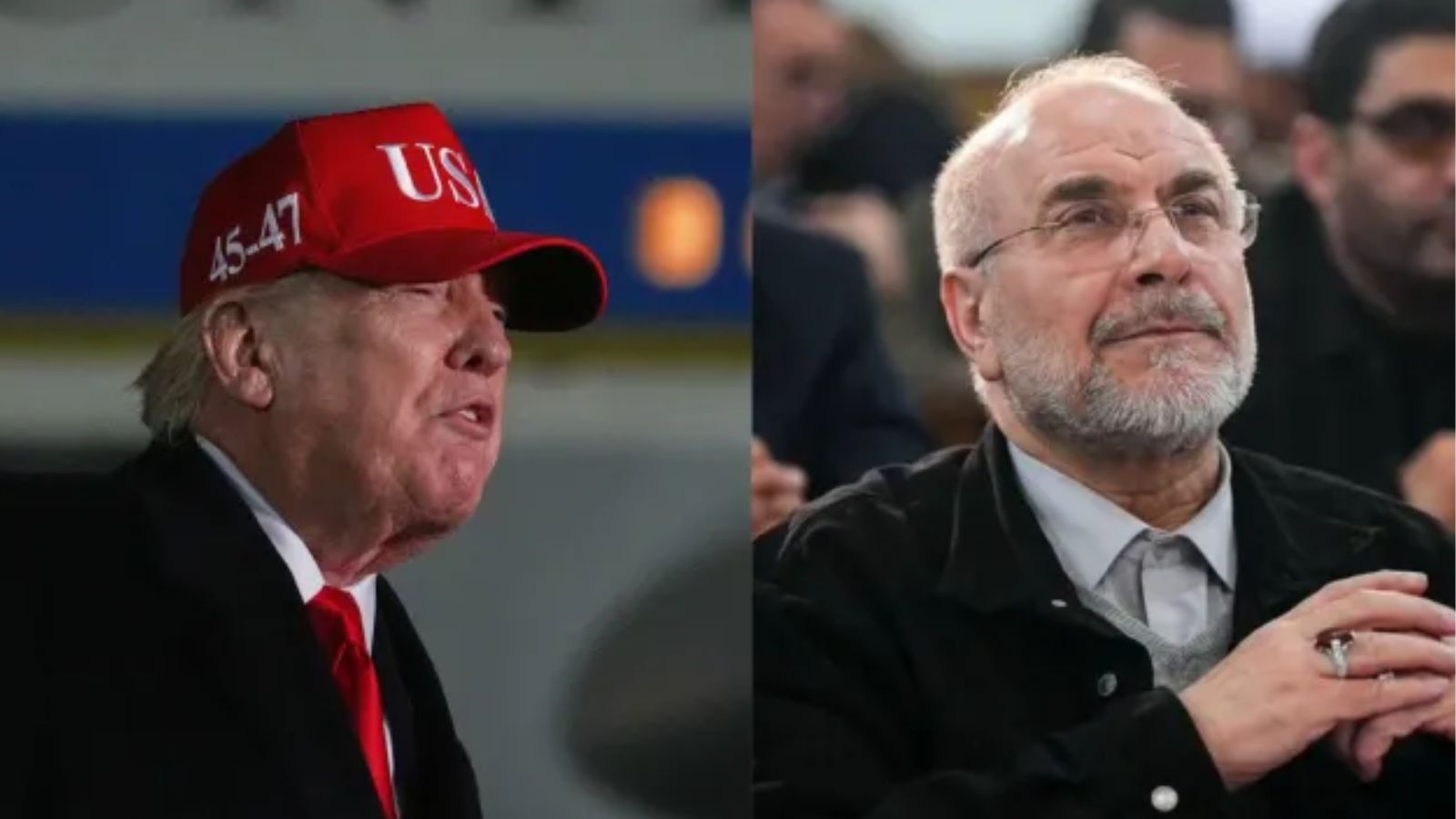
Despite holding a strategic advantage over the Trump administration, Iran's diplomatic demands conspicuously omit the Palestinian cause. This analysis explores the gap between Tehran's anti-Zionist rhetoric and its cold political calculus.
- Iran has outmaneuvered US strategists, leaving Donald Trump in a geopolitical deadlock.
- Tehran's latest demands to the US focus on sanctions and security, completely ignoring Palestinian sovereignty.
- The Palestinian cause is used by the Iranian clergy primarily as a tool for anti-American and anti-Zionist propaganda.
The Middle East currently exists in a state of precarious limbo, dictated largely by the enduring deadlock between the United States and Iran. While the global community has begun adjusting to this volatility, a deeper analysis reveals a surprising shift in power dynamics. Donald Trump finds himself facing a double defeat: first, the failure to destabilize the Iranian regime through targeted military pressure, and second, an inability to secure a comprehensive deal or withdraw US forces without appearing weak.
Currently, Iran appears to hold the upper hand, strategically outmaneuvering US planners. However, a glaring contradiction has emerged in Tehran's diplomatic approach. Despite its long-standing public posture as the champion of the oppressed, Iran's actual negotiations with the West are devoid of any meaningful advocacy for the Palestinian people.
The Absence of Palestine in Diplomatic Demands
In the Memorandum of Understanding signed on June 17, and subsequent lists of demands issued by Iran's Supreme National Security Council, the plight of Gaza and the West Bank is virtually non-existent. There are no demands for the withdrawal of Israeli forces from Gaza, no calls for a two-state solution, and no mention of the daily violence in Palestinian territories.
Instead, Iran's 'maximalist' list focuses strictly on its own national interests: an end to attacks on its allies, the lifting of the US naval blockade, compensation for war damages, and the unconditional release of frozen assets. The Palestinians, it seems, have been excised from the Iranian calculus at the very moment Tehran possesses the leverage to demand their inclusion.
Why This Matters
BozokMedia analysis shows that this silence exposes the fundamental nature of the Iranian regime's relationship with the Palestinian cause. The 'liberation of Palestine' is not a core strategic objective but a political instrument used by the ruling clergy to fuel anti-Americanism and maintain ideological purity. By supporting radical groups like Hamas and Palestinian Islamic Jihad, Iran ensures that the Palestinian movement remains ideologically aligned with the Ayatollahs, rather than the secular nationalists of the Palestinian Authority.
The Iranian regime leverages the blood of Palestinians to secure its own survival, treating a human tragedy as a geopolitical bargaining chip.
Historical Context of Betrayal
This is not the first time Palestinians have been abandoned by regional powers. Historically, the Palestinian cause has been appropriated by various Arab and Islamic states to serve their own regional ambitions. From the 1948 war to the subsequent control of Gaza and the West Bank by Egypt and Jordan until 1967, the promise of a sovereign Palestinian state has frequently been sacrificed for the vested interests of larger neighboring powers.
| Entity | Stance on Two-State Solution | Primary Goal |
|---|---|---|
| Iranian Regime | Rejects | Regime Survival & Regional Hegemony |
| Palestinian Authority | Supports | Sovereign Statehood |
| Hamas/PIJ | Rejects | Ideological Islamic Rule |
Frequently Asked Questions
Q1: Why does Iran support Hamas if it doesn't care about Palestine?
Iran supports Hamas because they share a similar Islamist ideology and reject the two-state solution, making Hamas a useful proxy for Iranian influence in the region.
Q2: What are Iran's primary demands from the US?
Iran's main priorities are the lifting of economic sanctions, the release of frozen assets, and a permanent end to US military pressure on its soil and allies.