In a strategic move that signals a shift in US foreign policy, President Trump has ordered a scaleback of joint military drills with South Korea. The decision raises critical questions about the stability of the US-ROK alliance and regional security.
- President Trump has ordered a reduction in the scale and frequency of joint military exercises with South Korea.
- The move is seen as part of a broader effort to renegotiate defense cost-sharing agreements.
- Analysts express concern over the potential impact on deterrence against North Korean aggression.
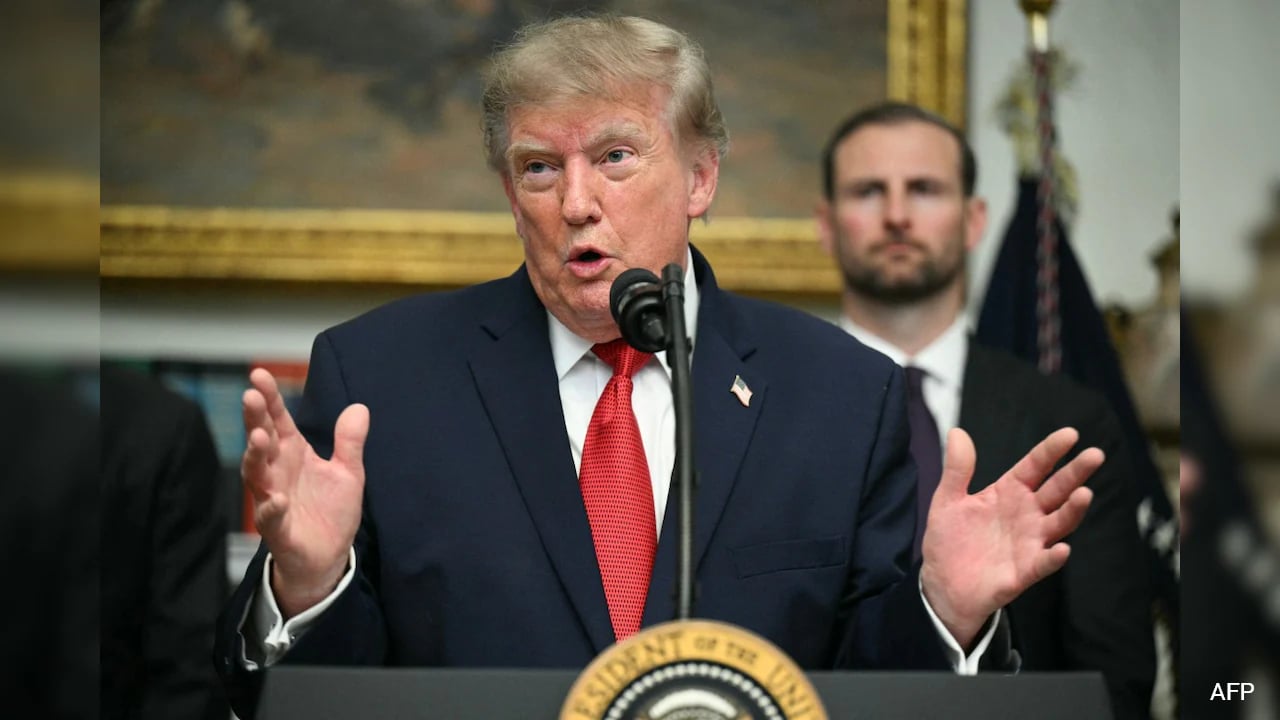
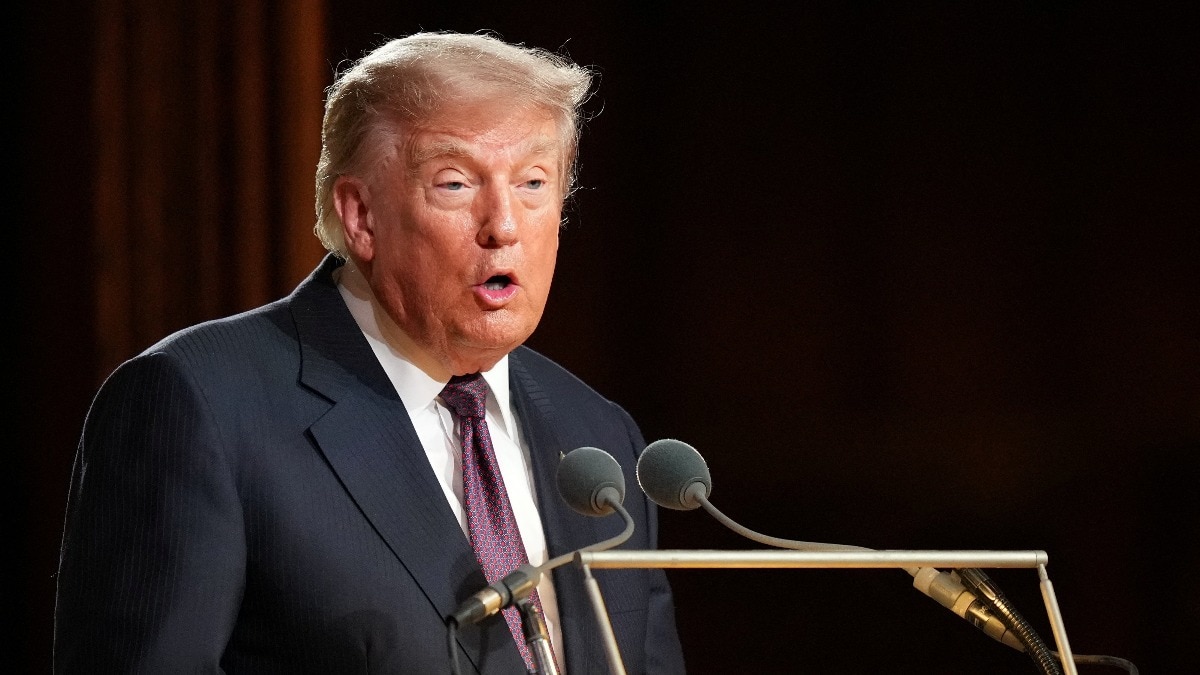
In a decision that has sent ripples through the Indo-Pacific region, President Donald Trump has officially ordered a scaleback of joint military exercises with South Korea. This directive marks a significant departure from the long-standing US strategy of maintaining a high-visibility military presence on the Korean Peninsula to deter provocations from Pyongyang.
The reduction in drills is not merely a tactical adjustment but is widely interpreted as a leverage tool in the ongoing negotiations regarding the Special Measures Agreement (SMA). The United States has consistently pushed for South Korea to contribute a larger share of the financial burden for hosting US troops (USFK), arguing that the current arrangement is outdated and unfair.
Why This Matters
BozokMedia analysis shows that this move represents a pivot toward a 'transactional' approach to national security. By reducing military exercises, the administration is signaling that security guarantees are no longer unconditional but are tied to economic contributions. This could potentially weaken the perceived unity between Washington and Seoul, providing a strategic opening for adversarial powers in the region.
Historically, these exercises—ranging from large-scale maneuvers to small-unit drills—have served as the backbone of the US-ROK alliance. They ensure interoperability between the two forces and provide a psychological deterrent to the Democratic People's Republic of Korea (DPRK). A reduction in these activities may lead to a decline in operational readiness.
"The erosion of joint training capabilities could create a security vacuum that adversaries are quick to exploit, regardless of the financial gains achieved in cost-sharing talks."
Furthermore, the geopolitical implications extend beyond the peninsula. Allies such as Japan and Australia may view this as a sign that the US is reconsidering its commitment to traditional security umbrellas in Asia, potentially leading to an increase in independent arms procurement across the region.
Comparison of Strategic Approaches
| Feature | Traditional US Policy | Trump Administration Approach |
|---|---|---|
| Military Drills | Frequent and Large-scale | Reduced and Selective |
| Cost Sharing | Fixed Agreements | Negotiable/Higher Burden |
| Primary Goal | Regional Deterrence | Economic Fairness & Diplomacy |
Frequently Asked Questions
Q1: Will this lead to a complete withdrawal of US troops from South Korea?
A: While a total withdrawal hasn't been officially mandated, the reduction in exercises is seen by some as a precursor to a smaller military footprint.
Q2: How has South Korea responded to this order?
A: The South Korean government has expressed concerns about readiness while attempting to maintain a diplomatic balance with the US administration.