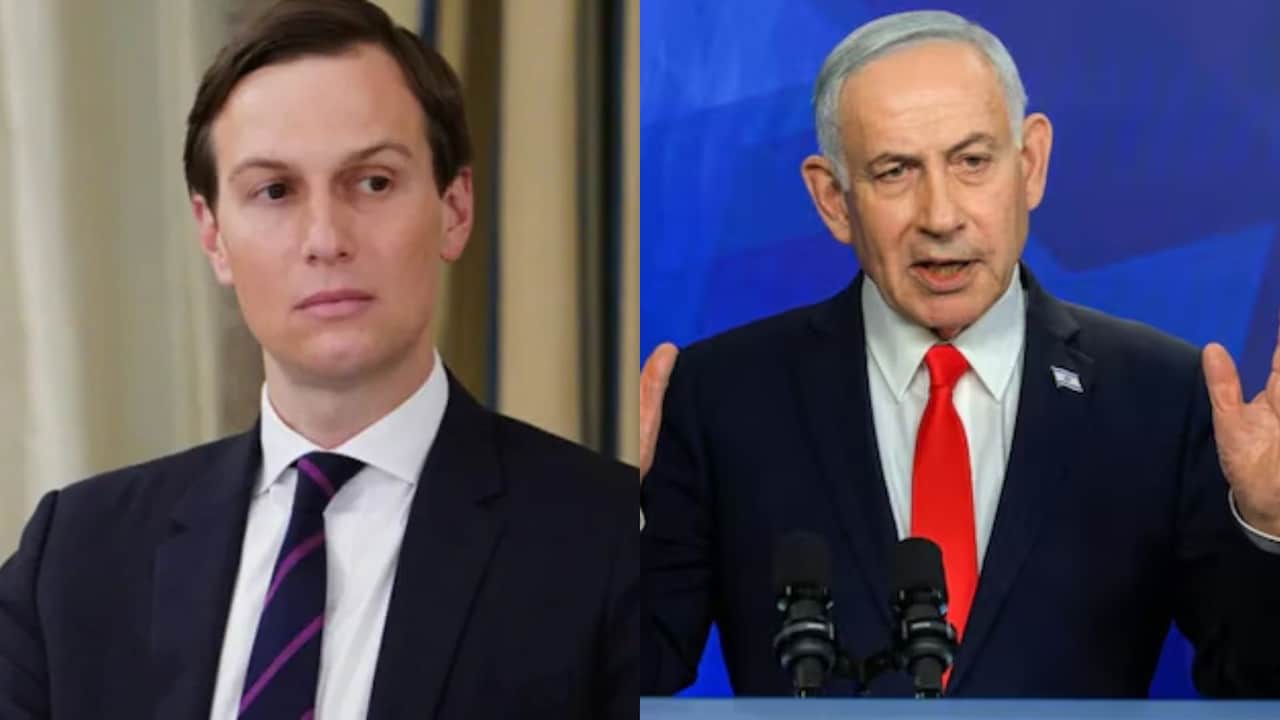
President Donald Trump has ordered a reduction in joint military exercises with Seoul, citing his strong rapport with Kim Jong Un and South Korea's refusal to assist in the US campaign against Iran.
- President Trump ordered the Pentagon to substantially reduce military drills with South Korea.
- The decision is linked to Seoul's reluctance to join the US in the denuclearization of Iran.
- Trump emphasized his "very good relationship" with North Korean leader Kim Jong Un as a primary motivator.
In a move that has sent ripples through the Indo-Pacific security architecture, US President Donald Trump has instructed the Pentagon to "substantially" scale back military exercises with South Korea. The announcement, made via Truth Social, comes just as the annual drills were set to commence, signaling a pivot in how Washington manages its alliance with Seoul.
Trump characterized the exercises as costly and a signal that is "totally inappropriate and hostile" toward North Korea. He praised Kim Jong Un for being "unthreatening and respectful" during his tenure, suggesting that the traditional posture of military deterrence is no longer necessary or beneficial.
Historical Context: The Ulchi Freedom Shield (UFS)
The Ulchi Freedom Shield (UFS) drills are a cornerstone of the US-South Korea security alliance, dating back to 1976. These exercises are designed to ensure the defense of the peninsula through a mix of live-fire, virtual, and field-based training. Typically, these drills involve tens of thousands of personnel, including allies from the UK, Canada, and Australia.
Why This Matters
BozokMedia analysis shows that this decision is less about North Korea and more about global leverage. By explicitly linking the scale of military drills to South Korea's refusal to support the US in the "denuclearization of the Islamic Republic of Iran," Trump is applying a transactional approach to national security. He is effectively signaling that the US security umbrella is not a free pass, but a partnership that requires reciprocal support in other geopolitical theaters.
"US President Trump does seem to have been genuinely affronted by the fact that America’s allies and partners did not jump to assist the United States in the conflict with Iran." - Christopher Green, International Crisis Group.
This shift comes at a precarious time. North Korea has recently increased its missile activity, launching ballistic missiles toward the Sea of Japan, and has denounced the US-Japan-South Korea cooperation as a burgeoning "nuclear alliance." The reduction in drills may be seen by Pyongyang as a victory, but by critics as a dangerous weakening of deterrence.
| Feature | Traditional UFS Drills | Trump's New Approach |
|---|---|---|
| Primary Goal | Military Deterrence | Diplomatic De-escalation |
| Scale | Full-scale (46,000+ personnel) | Substantially Reduced |
| Strategic Tone | Hostile/Preventative | Respectful/Transactional |
Frequently Asked Questions
1. Are the military drills completely canceled?
No, President Trump stated it was too late to cancel them entirely, but he ordered Defense Secretary Pete Hegseth to reduce their scale substantially.
2. How has South Korea reacted to this announcement?
Seoul has indicated that the drills will proceed as planned, while expressing hope that the rapport between Trump and Kim Jong Un could lead to peace talks.