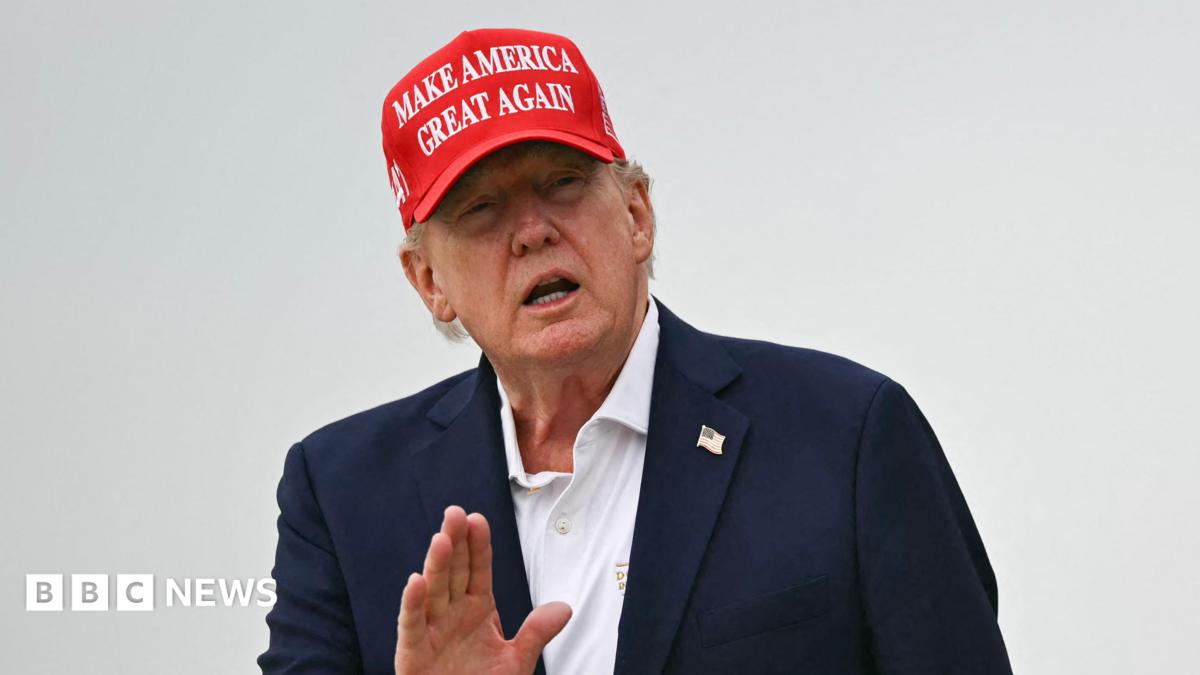
President Donald Trump has issued a stark warning to Oman, threatening military action if the neutral nation interferes with US-Iran talks. This comes amid conflicting reports regarding backchannel communications with the IRGC.
- Trump threatened to bomb Oman if it interferes in US-Iran negotiations.
- Claims of a direct backchannel with the IRGC were denied by Tehran.
- Tensions center on the reopening of the strategic Strait of Hormuz.
- The 60-day Memorandum of Understanding (MoU) has officially expired.
In a startling escalation of rhetoric, President Donald Trump has threatened to launch military strikes against Oman if the country "gets in the way" of the United States' efforts to negotiate with Iran. According to reports from Fox News, the President made these comments during a phone call on Monday, underscoring a volatile approach to Middle Eastern diplomacy.
The friction centers on the Strait of Hormuz, a critical maritime chokepoint through which approximately one-fifth of the world's oil and liquefied natural gas (LNG) flows. Following US and Israeli strikes on Iran in February, Tehran largely blocked the waterway. While Oman has attempted to act as a neutral mediator to reopen the strait, Trump's latest comments suggest Washington is losing patience with third-party involvement.
Why This Matters
BozokMedia analysis shows that Trump is employing a 'maximum pressure' psychological tactic. By threatening a neutral party like Oman, he is attempting to isolate Iran and force a direct concession, while simultaneously signaling to his domestic base that he remains a 'strongman' ahead of the midterm elections.
Adding to the tension, Trump claimed that the US maintains a direct backchannel with the Islamic Revolutionary Guard Corps (IRGC). This was vehemently denied by an IRGC spokesperson via the Tasnim News agency, who dismissed Trump's claims as "fantasies caused by delusions" resulting from desperation in the war.
"The threat to bomb a diplomatic intermediary is an unprecedented shift in US foreign policy that could alienate key regional allies."
Despite the rhetoric, Iranian Foreign Ministry spokesman Esmaeil Baghaei noted that an understanding regarding the transit route map has been reached. However, Iran continues to demand compensation for alleged violations of the previous MoU, with reports suggesting Tehran is seeking fees of 5% to 7% of cargo prices for vessels traversing the strait.
Historically, the conflict entered a brief phase of optimism on June 18 with the signing of a 60-day Memorandum of Understanding (MoU) aimed at a permanent ceasefire. However, this agreement collapsed shortly after, leading Trump to declare the ceasefire "over" on July 8. The President remains steadfast that his primary objective is to prevent Iran from acquiring nuclear weapons at any cost.
Frequently Asked Questions
1. Why did Trump threaten Oman?
Trump believes Oman may be obstructing the US's direct path to a deal with Iran regarding the Strait of Hormuz.
2. What is the status of the US-Iran MoU?
The 60-day agreement aimed at a ceasefire expired on Monday, and both sides have since returned to a state of high tension.