As the US-Iran ceasefire agreement expires today, tensions soar in the Middle East. Oman is currently mediating talks with Iran to secure new vessel routes through the critical Strait of Hormuz.
- The ceasefire agreement between the US and Iran expires today.
- Oman is mediating negotiations with Iran to establish safe maritime corridors.
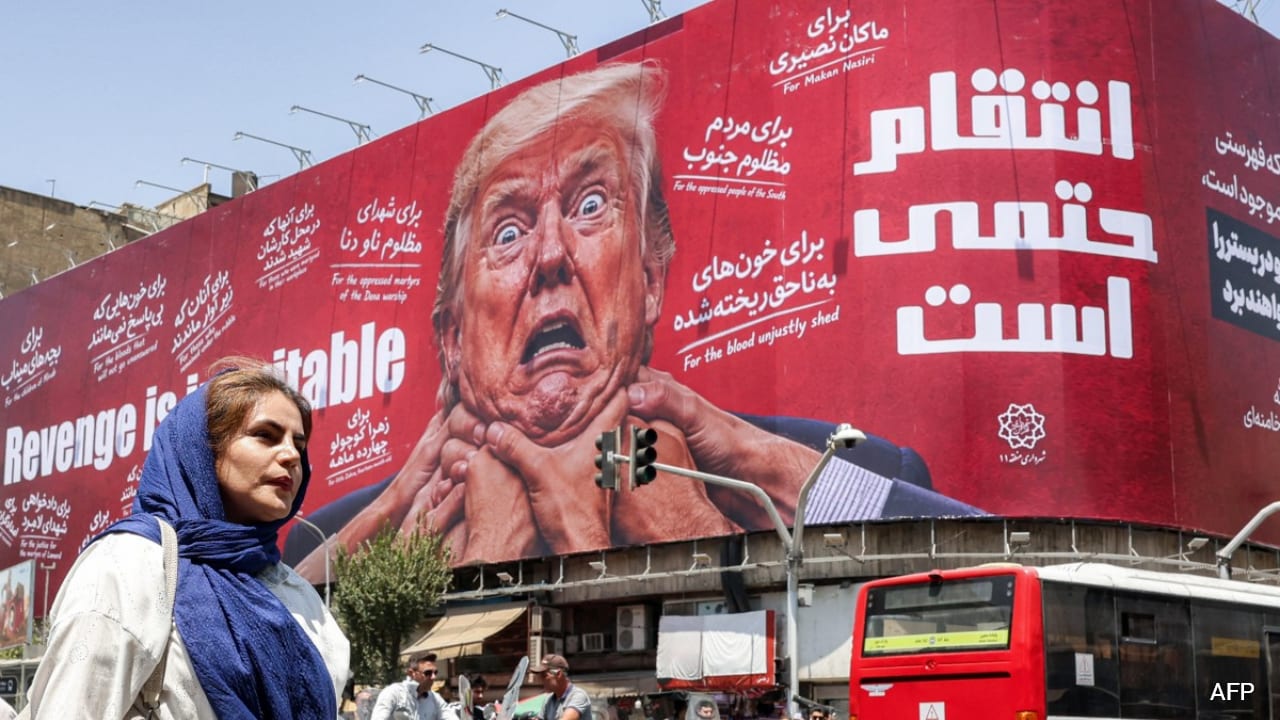
- High tensions persist in Tehran with public displays of hostility toward US leadership.
The geopolitical landscape of the Middle East has reached a critical juncture. The ceasefire pact between the United States and Iran expires today, leaving a dangerous vacuum that could potentially lead to a resumption of hostilities. The expiration of this agreement has put global markets and diplomatic circles on high alert.
Central to this tension is the Strait of Hormuz, a vital artery for global energy exports. Reports indicate that intensive negotiations are underway between Iran and Oman to designate a new route for the safe passage of commercial vessels. This diplomatic maneuver is seen as a last-ditch effort to prevent a maritime blockade that would cripple global trade.
Why This Matters
BozokMedia analysis shows that the expiration of this pact is not merely a bilateral issue but a systemic risk to the global economy. Any disruption in the Strait of Hormuz could trigger an immediate spike in crude oil prices, leading to widespread inflation. The strategic interplay between Iranian naval capabilities and US regional deterrence creates a volatile environment where a single miscalculation could trigger a full-scale conflict.
"The stability of the Middle East currently rests on a fragile thread of diplomacy that is being stretched to its absolute limit."
Historically, the relationship between Washington and Tehran has been characterized by mutual distrust and economic warfare. From the collapse of the JCPOA to the imposition of maximum pressure sanctions, the cycle of escalation has become a norm. The presence of revenge-themed billboards in Tehran underscores the internal political pressure on the Iranian regime to maintain a hardline stance.
As the clock runs out on the ceasefire, the role of Oman as a neutral mediator becomes indispensable. Oman's ability to facilitate a 'safe passage' agreement may prevent immediate tactical clashes, but it does not solve the underlying strategic rivalry.
Frequently Asked Questions
Q1: What is Oman's specific role in the current negotiations?
A: Oman is acting as a diplomatic bridge, facilitating talks to ensure maritime safety and prevent the Strait of Hormuz from becoming a combat zone.
Q2: How would a conflict in this region affect global consumers?
A: A conflict would likely cause oil prices to skyrocket, increasing the cost of fuel and transportation globally, thereby driving up the price of consumer goods.


