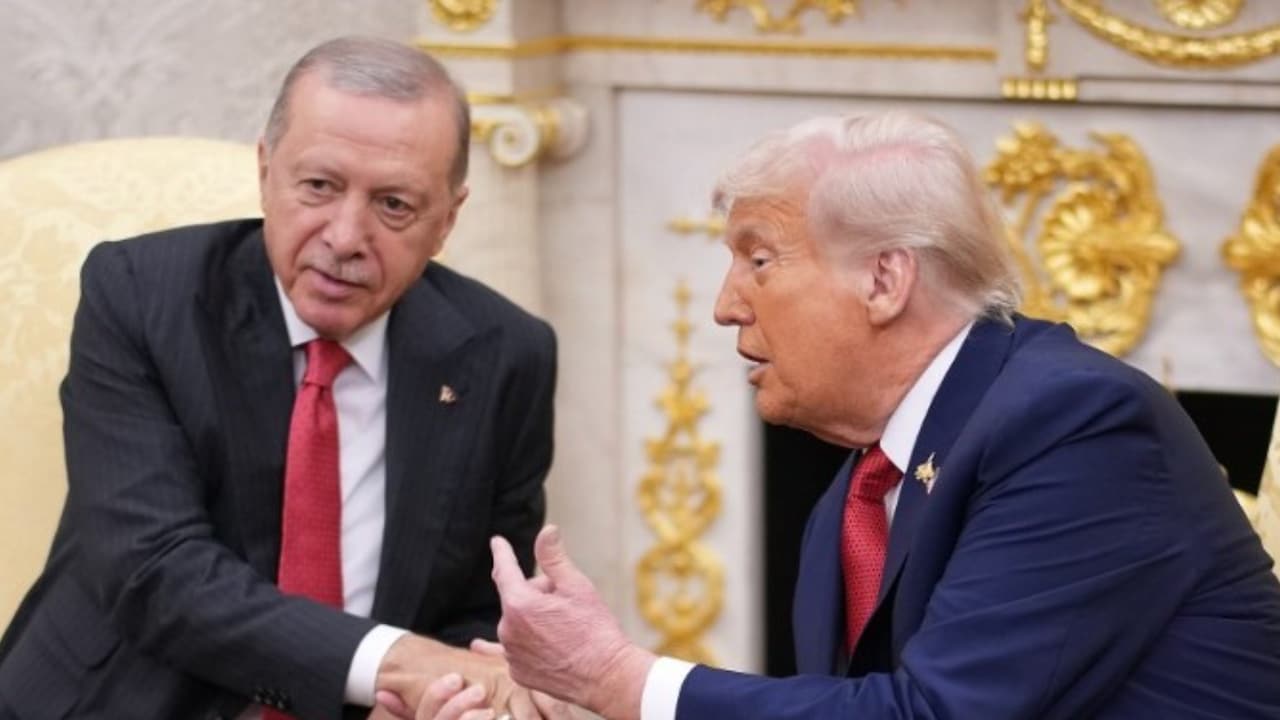
The critical ceasefire agreement between the US and Iran expires today, leaving a dangerous diplomatic void. With negotiations stalled, the world braces for potential military escalations in the Middle East.
- The US-Iran Memorandum of Understanding (MoU) officially expires today.
- Failure to reach a broad agreement has left both nations in a state of high military alert.
- Global energy markets are on edge due to potential instability in the Persian Gulf.
The diplomatic clock has run out for Washington and Tehran. Today marks the expiration of the ceasefire pact that was intended to serve as a bridge toward a more permanent peace agreement. Despite several rounds of indirect talks, the two adversaries failed to bridge the gap on key security and economic issues.
The breakdown of the agreement is attributed to a fundamental lack of trust. The United States maintained that Iran must first curb its ballistic missile program and regional aggression, while Iran demanded the complete lifting of crippling economic sanctions before committing to further concessions.
Why This Matters
BozokMedia analysis shows that the expiration of this pact creates a volatile security vacuum. The geopolitical stakes are immense; any miscalculation in the waters of the Persian Gulf could lead to a direct military confrontation, disrupting global supply chains and triggering a surge in crude oil prices worldwide.
"The collapse of this ceasefire signifies a transition from diplomatic engagement to a strategy of containment and deterrence."
Historical Background
The animosity between the US and Iran dates back to the 1979 Islamic Revolution, which transformed a strategic alliance into a bitter rivalry. Over the decades, the relationship has been characterized by sanctions, espionage, and proxy wars. While the Joint Comprehensive Plan of Action (JCPOA) once offered a glimmer of hope, the US withdrawal in 2018 reignited the cycle of escalation.
| Key Issue | US Position | Iran Position |
|---|---|---|
| Nuclear Program | Zero enrichment/Strict oversight | Right to peaceful nuclear energy |
| Regional Influence | End support for proxy militias | Defense of strategic depth |
Frequently Asked Questions
1. Does the expiration of the pact guarantee a war?
Not necessarily, but it removes the formal constraints on military activity, significantly increasing the probability of skirmishes or targeted strikes.
2. Why did the broad deal fail?
The primary obstacles were the non-negotiable nature of US sanctions and Iran's refusal to limit its regional influence without economic relief.