Following lethal naval strikes against drug vessels, the Trump administration is now pressuring Latin American allies to permit joint military land operations to dismantle criminal networks.
- The US is seeking agreements for joint land-based military operations in Latin America.
- Defense Secretary Pete Hegseth claims Colombia, Guatemala, and Honduras have agreed, though Guatemala denies this.
- Over 200 people have been killed in 60+ naval strikes in the last year.
- 20 Latin American criminal groups are now designated as 'Foreign Terrorist Organizations'.
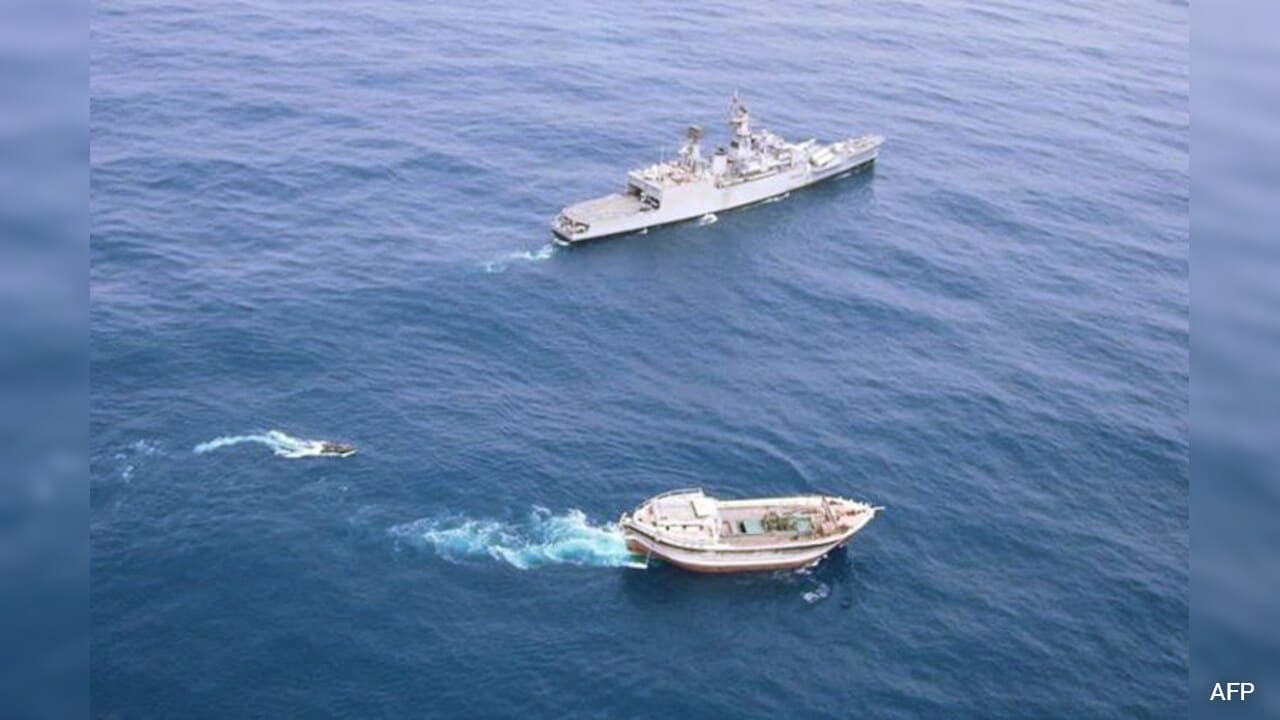
In a significant escalation of its regional security strategy, the Trump administration is pushing for a transition from maritime interdiction to land-based combat operations across Latin America. This move follows a series of deadly strikes on vessels suspected of transporting narcotics along the Caribbean and Pacific coasts.
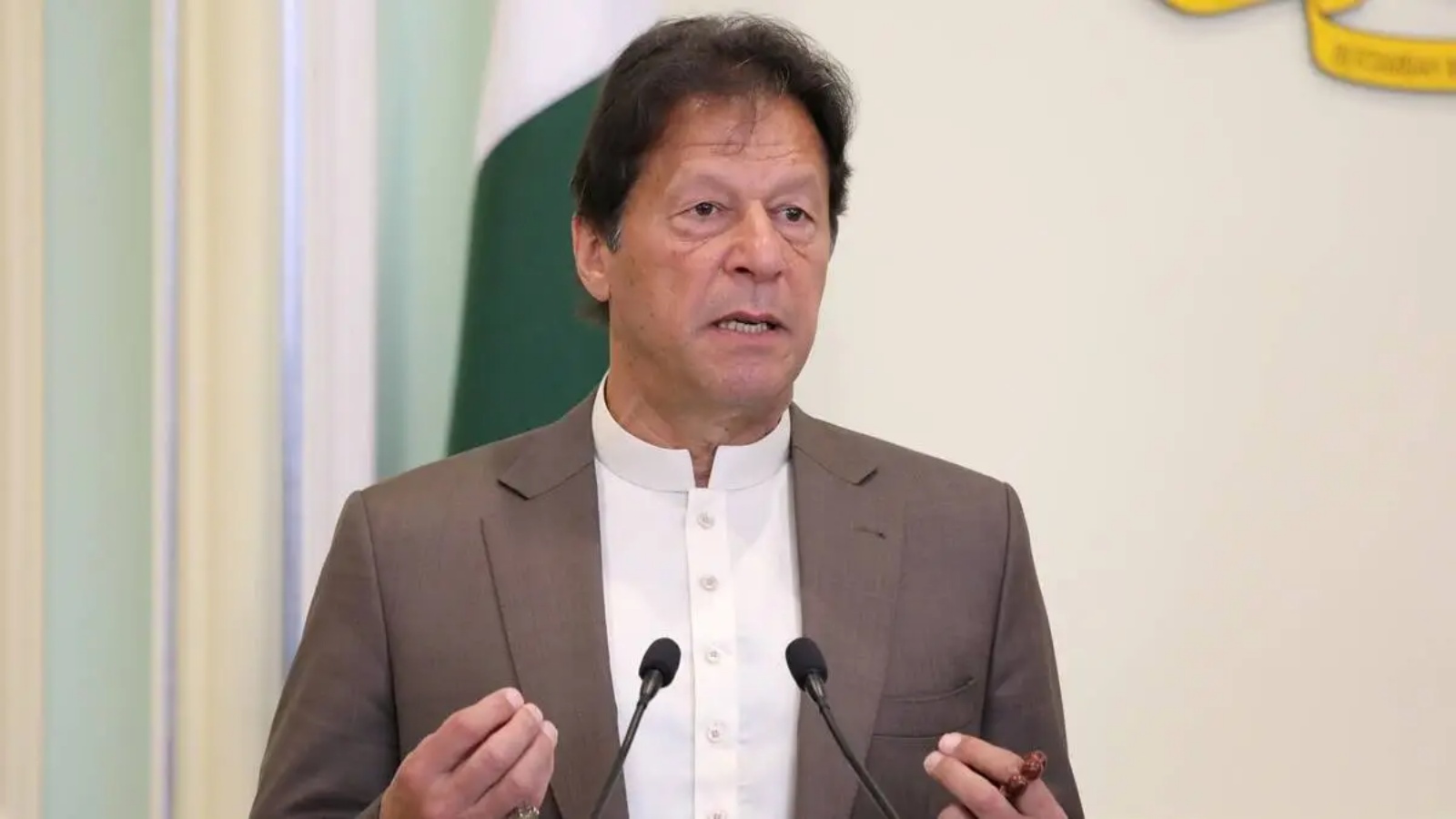
US Defence Secretary Pete Hegseth, during a recent visit to Panama, asserted that the US is working with partners like Colombia and Ecuador to bring the fight directly to the strongholds of designated terrorist organizations. Hegseth emphasized that the objective is to achieve the "same effect on land" as seen with the recent naval strikes, signaling a more aggressive posture against drug cartels.
Why This Matters
BozokMedia analysis shows that this shift represents a broader geopolitical objective: the assertion of "American dominance over the Western Hemisphere." By legitimizing the presence of US boots on the ground, Washington is not merely fighting drugs but is reshaping the security architecture of the region to align strictly with US priorities, often at the expense of local sovereignty.
"This is not cooperation; it is an obviously asymmetrical relationship designed to project power and impose a Washington-led agenda."
The historical context of US involvement in Latin America is fraught with tension, ranging from support for military juntas to the "War on Drugs." However, since January 2025, the interventionist approach has reached a fever pitch. The administration has not only designated cartels as terrorists but has also authorized CIA-led raids in Mexico and military incursions in Venezuela.
The legal and ethical implications are stark. In Ecuador, where joint raids are already occurring, a New York Times investigation revealed that a strike on a suspected drug lab actually destroyed a civilian cattle farm. This highlights the risk of collateral damage and civilian casualties that critics warn will trigger a long-term regional backlash.
| Country | Stance on US Land Operations | Primary Concern |
|---|---|---|
| Ecuador | Active Participation | Violation of anti-base referendum |
| Colombia | Cooperative (Targeting ELN) | Escalation of guerrilla warfare |
| Guatemala | Explicit Denial | Constitutional legality |
| Mexico | Resistant | National Sovereignty |
Frequently Asked Questions
Q1: Which countries has the US claimed have agreed to joint land raids?
Answer: Defense Secretary Hegseth mentioned Colombia, Guatemala, and Honduras, although Guatemala's government has denied this claim.
Q2: What is the primary risk associated with these operations?
Answer: The primary risks include civilian casualties, violations of national sovereignty, and potential political instability within the host nations.