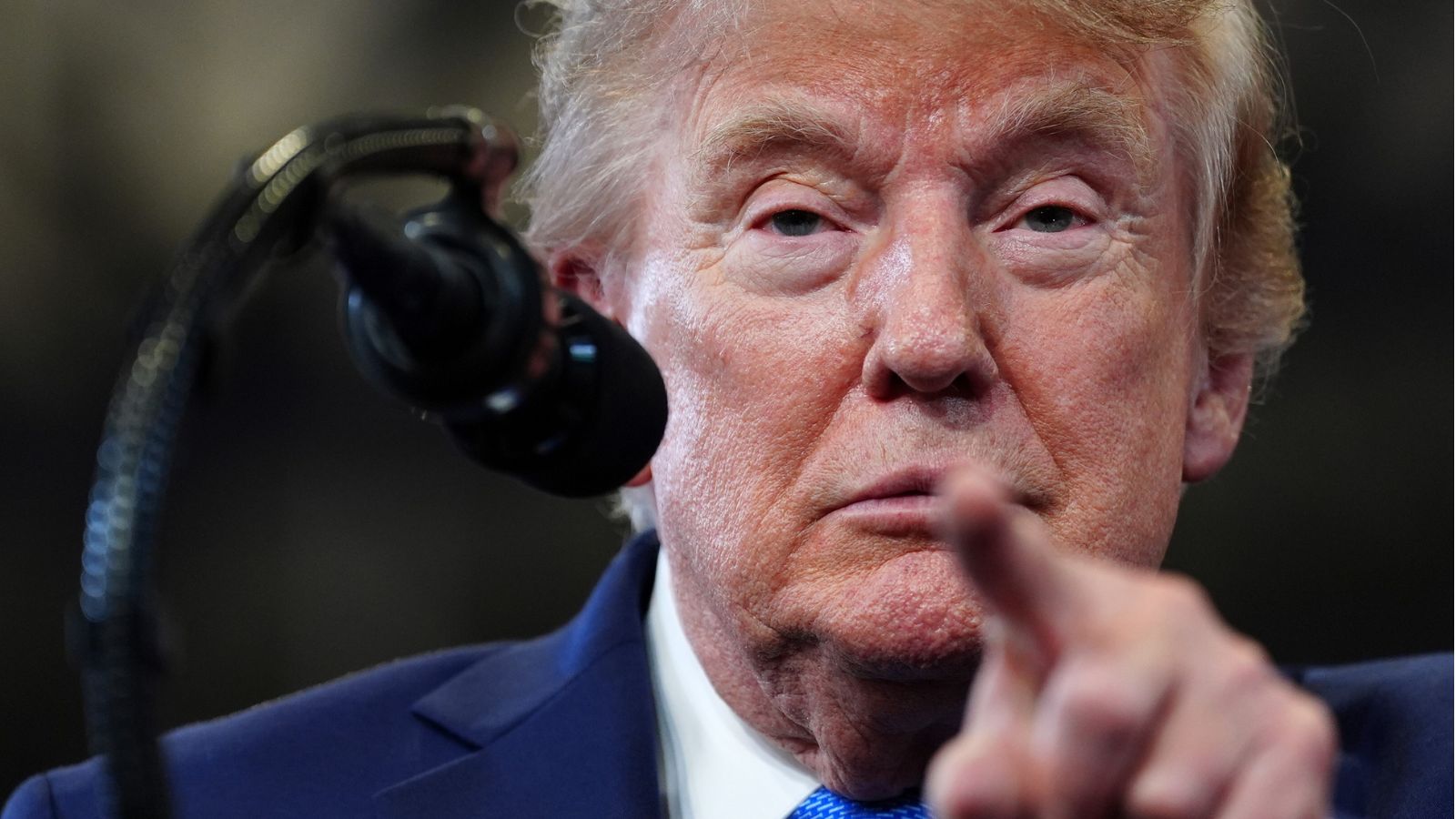
A new Reuters/Ipsos poll reveals US President Donald Trump's approval rating has crashed to 33%, driven by public anxiety over a prolonged conflict with Iran and rising fuel costs.
- Trump's approval rating has fallen to 33%, the lowest of his current term.
- 80% of Americans fear the US-Iran conflict will persist for an extended period.
- Democrats are gaining a surprising edge on economic and cost-of-living issues.
- Republicans face significant risks in the upcoming November 3 elections.
In a startling shift in public sentiment, a recent four-day Reuters/Ipsos poll indicates that US President Donald Trump is facing his most severe popularity crisis of his current presidency. The data shows that only 33 per cent of respondents approve of his performance in the White House, while a staggering 64 per cent express disapproval. This marks a decline from 35 per cent recorded earlier this month and mirrors the nadir of his first presidency in December 2017.
The primary catalyst for this decline appears to be the escalating tension and military engagement with Iran. Having returned to office in 2025 on a platform of avoiding "endless wars" and curbing inflation, Trump's decision to launch strikes on Iran alongside Israel has backfired in the eyes of many voters. While the President initially promised the conflict would be brief, the resilience of the Iranian regime and the continued blockage of the Strait of Hormuz have fueled fears of a long-term quagmire.
Why This Matters
BozokMedia analysis shows that this dip is not merely a fluctuation in popularity but a systemic vulnerability for the Republican party. The intersection of foreign policy failure and domestic economic pain—specifically rising gasoline prices—creates a 'perfect storm' for political opposition. When a leader's core campaign promise (no new wars) is contradicted by reality, the trust gap widens rapidly across party lines.
The erosion of support among Republicans suggests that the 'cost of war' has finally outweighed the 'ideology of strength' for the average American voter.
The poll highlights a deep-seated pessimism regarding the conflict's duration, with 80 per cent of Americans—including 71 per cent of Republicans—believing the involvement in Iran will continue indefinitely. Only 16 per cent believe a resolution is imminent. Despite this, Trump has defended the strategic necessity of the conflict at a rally in Garden City, New York, arguing that slight increases in fuel costs are a small price to pay to prevent Iran from acquiring nuclear capabilities.
Furthermore, the political landscape is shifting ahead of the November 3 elections. For the first time in this term, Democrats are gaining traction on economic fronts. The poll indicates that 38 per cent of voters believe Democrats would handle the economy better, compared to 35 per cent for Republicans. This shift is particularly damaging as the cost of living becomes the primary concern for the electorate.
Even on immigration, a traditional stronghold for the Trump administration, the lead has narrowed. While 40 per cent still favor the Republican approach over the Democrats' 38 per cent, the margin has shrunk following reports of deadly confrontations and the detention of children at the border.
Frequently Asked Questions
Q1: Why has Trump's approval rating dropped so sharply?
The decline is primarily attributed to the prolonged conflict with Iran, which contradicts his campaign promises, and the resulting increase in gasoline prices.
Q2: How does this impact the upcoming US elections?
The shift in economic perception and war fatigue provides Democrats with a viable path to reclaim the House and potentially the Senate in the November 3 elections.


