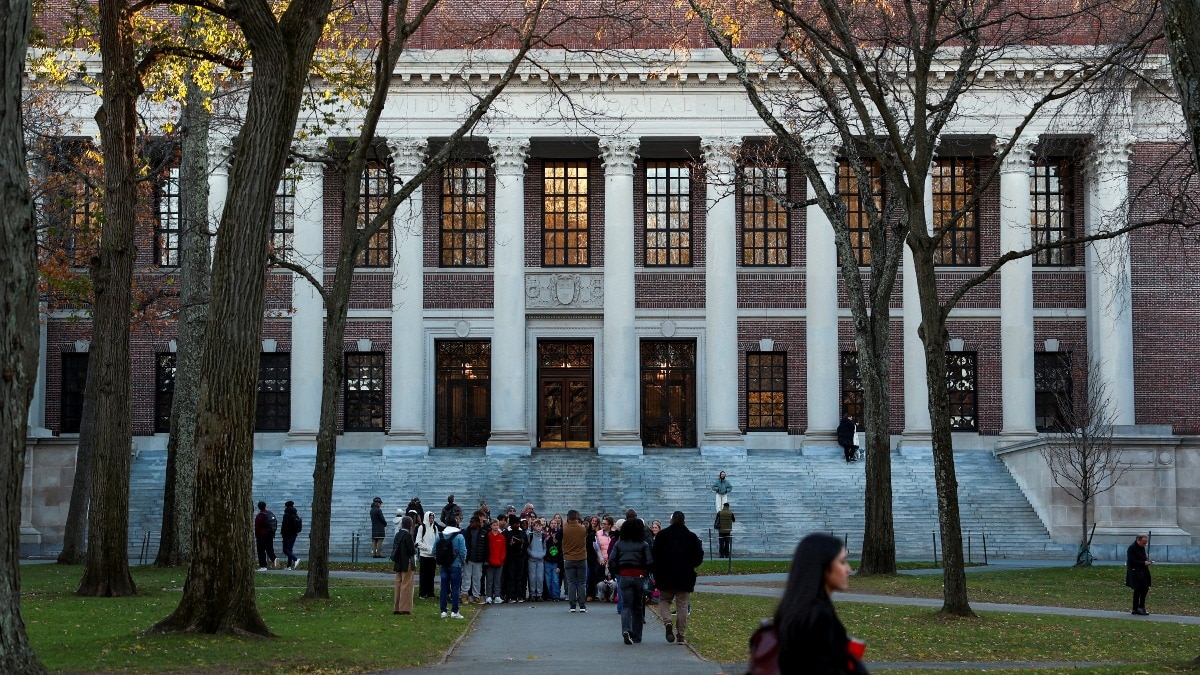
Harvard University has agreed to a massive $53 million settlement to resolve lawsuits alleging the mishandling of donated cadavers and the illegal sale of body parts on the black market. The scandal involves former morgue manager Cedric Lodge.
- Harvard University agreed to a $53 million class-action settlement.
- Former morgue manager Cedric Lodge was sentenced to 8 years in prison.
- The case involved the theft of heads, brains, skin, and hands from donated cadavers.
- Harvard will launch an annual scholarship to honor anatomical donors starting in 2027.
In a landmark legal resolution, Harvard University has agreed to pay USD 53 million to settle multiple lawsuits filed by families of donors. The litigation stems from a horrific scandal involving the theft and black-market sale of human body parts from cadavers donated to the Harvard Medical School for research and education.
The legal fallout follows the criminal conviction of Cedric Lodge, the former manager of Harvard Medical School's morgue. Lodge, an employee of nearly three decades, was sentenced in December to eight years in prison after prosecutors revealed a systematic scheme of theft and illicit trade. The scale of the betrayal has sent shockwaves through the global medical and academic communities.
The Mechanics of the Crime
Detailed investigative reports and prosecutorial evidence showed that since 2018, Lodge had been extracting various anatomical parts—including heads, faces, brains, skin, and hands—from cadavers. These parts were then transported from the Boston morgue to his residence in Goffstown, New Hampshire, where he and his wife allegedly sold them on the black market.
Families of the deceased filed class-action lawsuits accusing the university of gross negligence. They contended that Harvard turned a blind eye to Lodge's misconduct for years, failing in its fundamental duty to protect the dignity of the donors. While a judge initially dismissed the claims, the Massachusetts Supreme Judicial Court revived the cases, noting the "horrific and undignified treatment" that had persisted for years.
Why This Matters
BozokMedia analysis shows that this incident represents a profound crisis of institutional trust. For medical schools to function, there must be an absolute guarantee that human remains are treated with the highest level of sanctity. This breach of protocol not only impacts the reputation of Harvard but also threatens the global culture of anatomical donation, which is vital for medical advancement.
The betrayal of donor trust through the commodification of human remains is a catastrophic failure of institutional oversight.
In response to the outcry, George Daley, Dean of the Faculty of Medicine, and Bernard Chang, Dean for Medical Education, described Lodge's actions as "despicable, abhorrent, and a flagrant betrayal" of medical values. As part of the settlement, Harvard has pledged to hold a live webinar to formally acknowledge the moral reprehensibility of Lodge's criminal acts to the affected families.
To move forward, the university has announced that beginning in the 2027-2028 academic year, Harvard Medical School will establish an annual scholarship dedicated to the memory of all anatomical donors, aiming to transform this tragedy into a lasting legacy of respect.
Frequently Asked Questions
1. Who was responsible for the theft at Harvard?
Cedric Lodge, the former manager of the Harvard Medical School morgue, was found guilty of stealing and selling the parts.
2. What is the purpose of the $53 million settlement?
The settlement is intended to compensate the families of the donors whose loved ones were mishandled and to resolve the legal claims of negligence against the university.