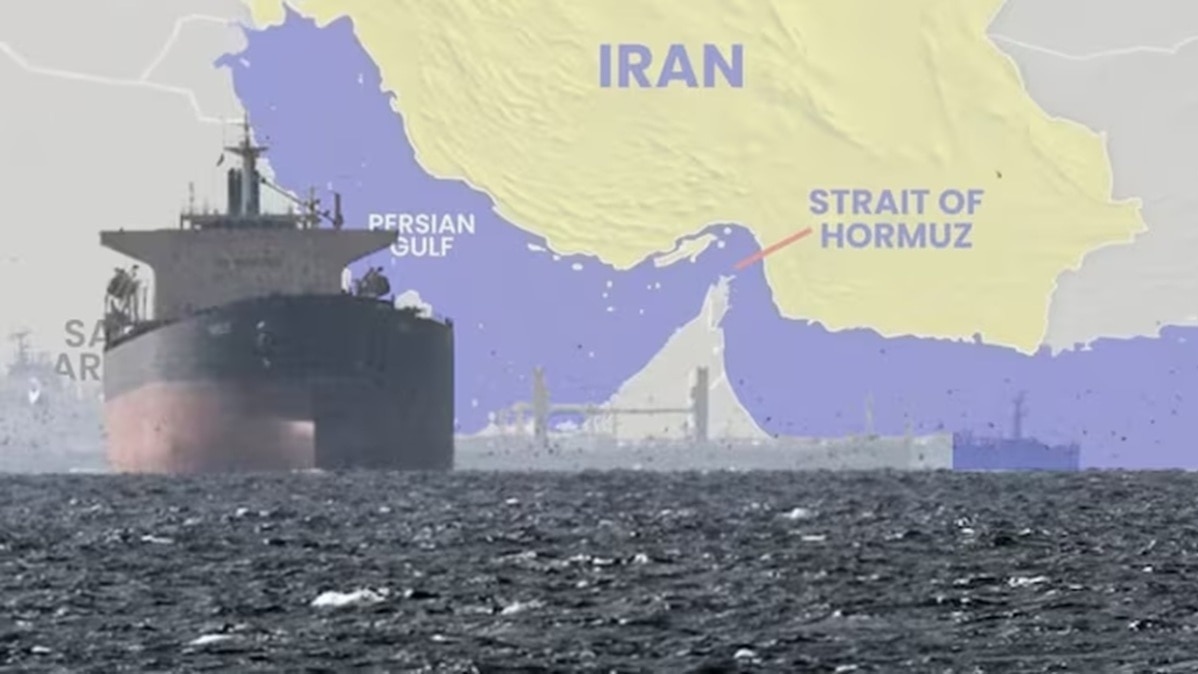
Shipping data reveals a massive shift in the Strait of Hormuz, with over 80% of vessels opting for the Omani route to avoid Iranian interference and threats.
- Over 80% of vessels in the Strait of Hormuz are using the Omani route.
- Iran's ability to enforce transit fees and control navigation is weakening.
- US naval presence is providing critical protection for commercial shipping.
- Tankers are using 'dark traffic' tactics by switching off transponders to avoid detection.
The strategic Strait of Hormuz, a primary artery for global energy supplies, is witnessing a dramatic shift in maritime traffic patterns. According to recent shipping data from Kpler, more than 80 percent of vessels transiting the area over the past two weeks have bypassed the routes preferred by Tehran in favor of the Omani side of the waterway. This significant movement suggests that Iran's long-standing claims of absolute control over this vital chokepoint are being challenged by commercial reality.
The shift is particularly striking because the Omani route saw almost zero activity just a month ago. As tensions escalate, shipping companies are increasingly relying on the protection offered by US naval forces to navigate the safer, UN-authorized waters near Oman. Homayoun Falakshahi, head of crude oil analysis at Kpler, noted that it increasingly appears Iran has at least partially lost its grip on the strait.
Why This Matters
BozokMedia analysis shows that this maritime migration has profound implications for global energy security and geopolitical leverage. By avoiding Iranian-controlled waters, shipping companies are effectively neutralizing Tehran's ability to impose transit tolls and exert economic pressure through maritime dominance.
The growing reliance on the Omani route indicates a strategic failure in Iran's attempt to monopolize navigation through the Strait.
To mitigate the risk of Iranian attacks, oil producers in the Gulf, including Kuwait, Saudi Arabia, and the United Arab Emirates, have adopted sophisticated evasion tactics. Many are utilizing Very Large Crude Carriers (VLCCs) to move oil out of the Persian Gulf, often transferring cargo to different tankers in the safer Gulf of Oman. Furthermore, some vessels have resorted to switching off their transponders entirely, creating what experts call "dark traffic," making it difficult for satellite and conventional trackers to monitor the true volume of oil movement.
The political rhetoric surrounding the strait remains intense. While President Donald Trump has claimed total US control over the waterway, describing it as "new US territory," the actual data presents a more nuanced picture. US Energy Secretary Chris Wright reported oil shipments at approximately 15 million barrels per day—a figure that remains below the pre-war average of 20 million barrels per day.
Frequently Asked Questions
1. Why are ships avoiding the Iranian side of the strait?
Ships are avoiding the northern routes to minimize the risk of Iranian attacks and to take advantage of US naval escorts in the Omani route.
2. What is the impact of 'dark traffic' on oil tracking?
Dark traffic makes it difficult for analysts to accurately assess how much oil is moving through the region, complicating global economic forecasting.
| Metric | Iranian Claim | Current Data/US Estimate |
|---|---|---|
| Route Dominance | High Control | 80% using Omani route |
| Daily Oil Flow | Disrupted | ~15 Million Barrels/Day |