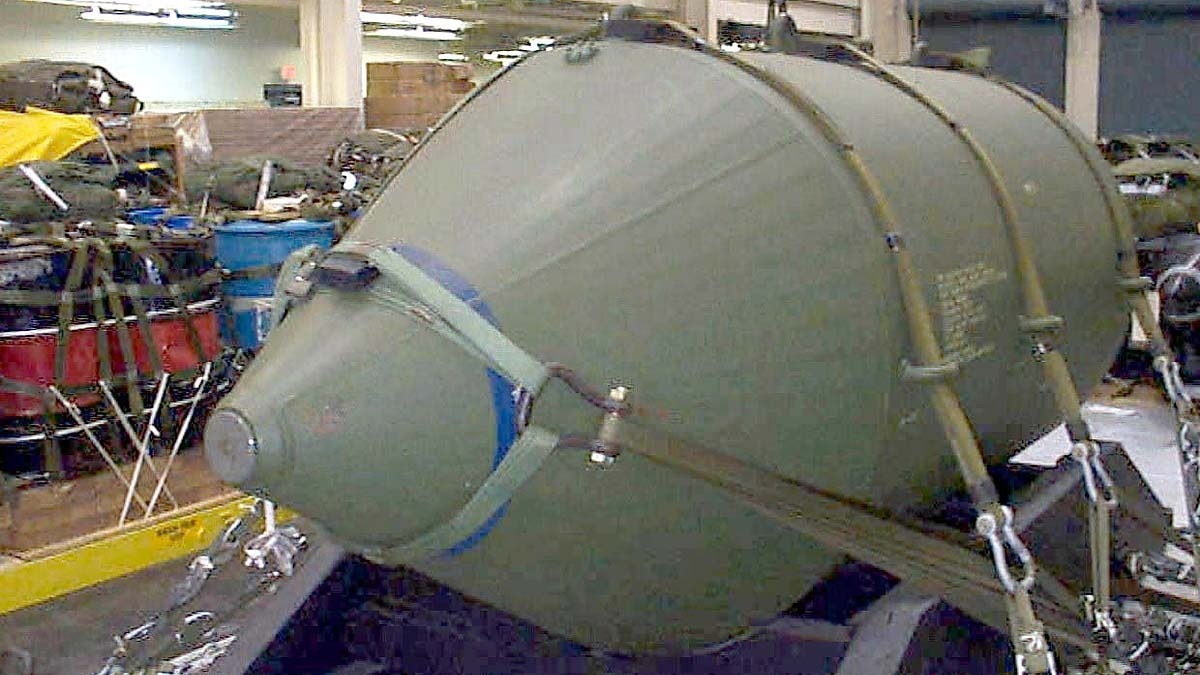
Japan and Australia have reported significant advancements in high-energy laser technology and missile range testing. This strategic move underscores their deepening defense ties and commitment to regional stability in the Indo-Pacific.
- Japan and Australia have achieved milestones in advanced defense technology testing.
- Key focus areas include high-energy lasers and long-range missile capabilities.
- The partnership aims to bolster security and deterrence in the Indo-Pacific region.
Japan and Australia have jointly announced significant progress in the testing of high-energy laser systems and missile range capabilities. This development marks a pivotal moment in the bilateral defense relationship, signaling a shift toward more integrated and technologically advanced military cooperation. The tests are part of a broader strategy to address evolving security threats in the Indo-Pacific.
A critical component of this collaboration involves the development and testing of hypersonic missiles. Under new defense frameworks, Japan is set to conduct hypersonic missile tests on Australian soil. Hypersonic technology, capable of traveling at speeds exceeding Mach 5 with high maneuverability, is considered a transformative element in modern warfare and missile defense dynamics.
Why This Matters
BozokMedia analysis shows that this partnership represents more than just technological exchange; it is a strategic realignment. As Japan transitions from a 'quasi-ally' to a proactive security partner, its integration with Australia creates a formidable technological bloc. This synergy is designed to provide a robust deterrent against regional military expansions and maintain the status quo in contested waters.
The convergence of Japanese technology and Australian geography creates a unique strategic advantage for Indo-Pacific security.
The focus on high-energy lasers is particularly noteworthy. These directed-energy weapons (DEWs) offer a potential solution to the growing threat of drone swarms and incoming missile salvos, providing a high-precision, low-cost alternative to traditional interceptor missiles.
Historically, Japan's defense posture has been characterized by restraint. However, the current geopolitical climate has accelerated its move toward active defense participation. By partnering with Australia, Japan is not only expanding its technological reach but also its operational footprint in the southern hemisphere.
Frequently Asked Questions
Question 1: What is the significance of hypersonic missile testing in Australia?
Answer: Testing in Australia provides the necessary geographic range and strategic depth for Japan to develop and validate next-generation strike capabilities.
Question 2: How do high-energy lasers change modern defense?
Answer: They offer a way to intercept fast-moving, low-cost threats like drones with extreme precision and minimal cost per shot.