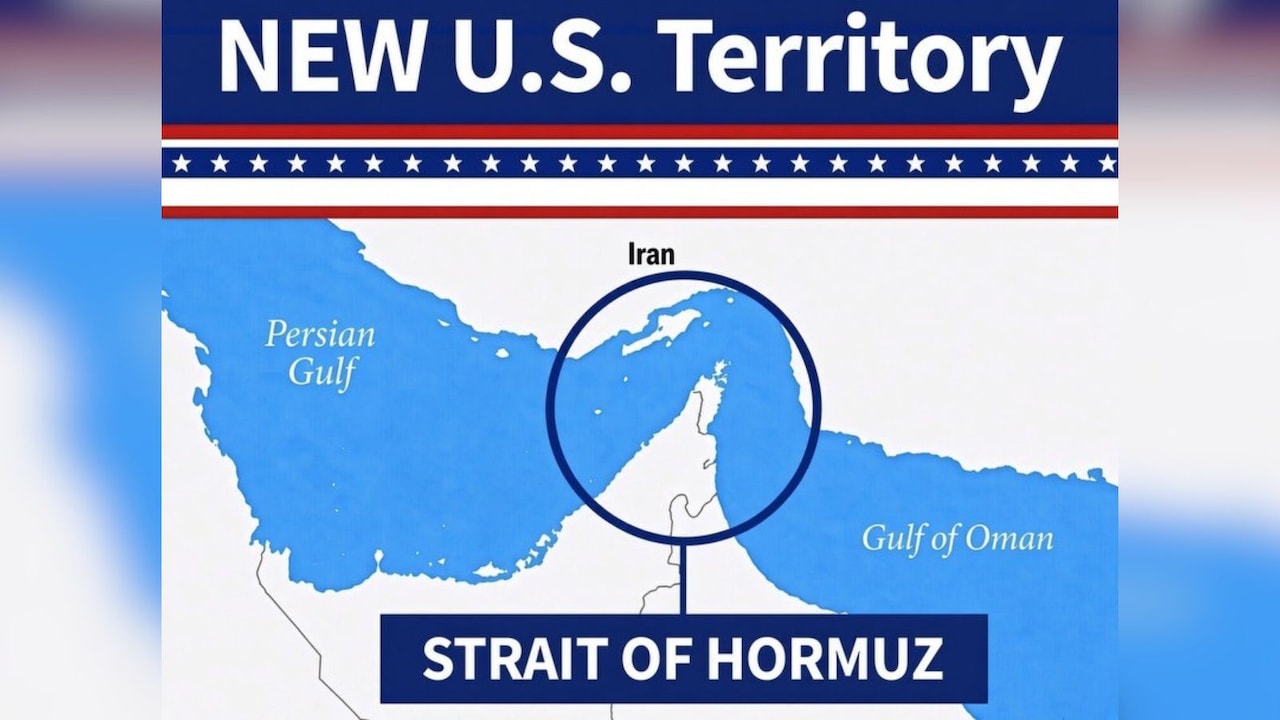
Donald Trump has signaled that there are no plans for diplomatic engagement with Iran, even as Tehran maintains its stance on the closure of the strategic Strait of Hormuz.
- Donald Trump confirmed no immediate plans for negotiations with Iran.
- Tehran maintains its ability to disrupt the Strait of Hormuz.
- Global oil markets remain on high alert due to Middle East instability.
In a significant geopolitical development, former President Donald Trump has stated that there are currently no plans for any diplomatic talks with Iran. This decisive stance comes at a time when tensions in the Middle East are reaching a boiling point, complicating international efforts to maintain regional stability.
Simultaneously, the Iranian government in Tehran has issued a stern warning, asserting that the Strait of Hormuz remains under their influence and could be shut down if provoked. As one of the world's most critical maritime chokepoints, any disruption here would have catastrophic effects on the global economy.
Why This Matters
BozokMedia analysis shows that the intersection of Trump's hardline stance and Iran's strategic threats creates a volatile environment for global energy markets. The potential for a maritime blockade in the Strait of Hormuz poses a direct threat to the supply chain of crude oil, potentially triggering a global inflationary surge.
The refusal to engage in diplomacy while simultaneously threatening strategic maritime routes creates a high-stakes standoff with no clear exit ramp.
The historical context of US-Iran relations is marked by decades of hostility. Following the US withdrawal from the JCPOA (Iran Nuclear Deal), the diplomatic vacuum has been filled by economic sanctions and military posturing. This current deadlock appears to be a continuation of that long-standing friction.
Geopolitical analysts suggest that the 'Maximum Pressure' approach favored by Trump aims to force Iran into concessions, yet it also provides Tehran with justifications for increased regional aggression and the leveraging of maritime choke points.
Frequently Asked Questions
1. What is the significance of the Strait of Hormuz?
It is a vital maritime corridor through which a massive portion of the world's petroleum supplies are transported.
2. Will this affect oil prices?
Yes, any threat to the stability of this region or the closure of the strait typically leads to an immediate spike in global oil prices.