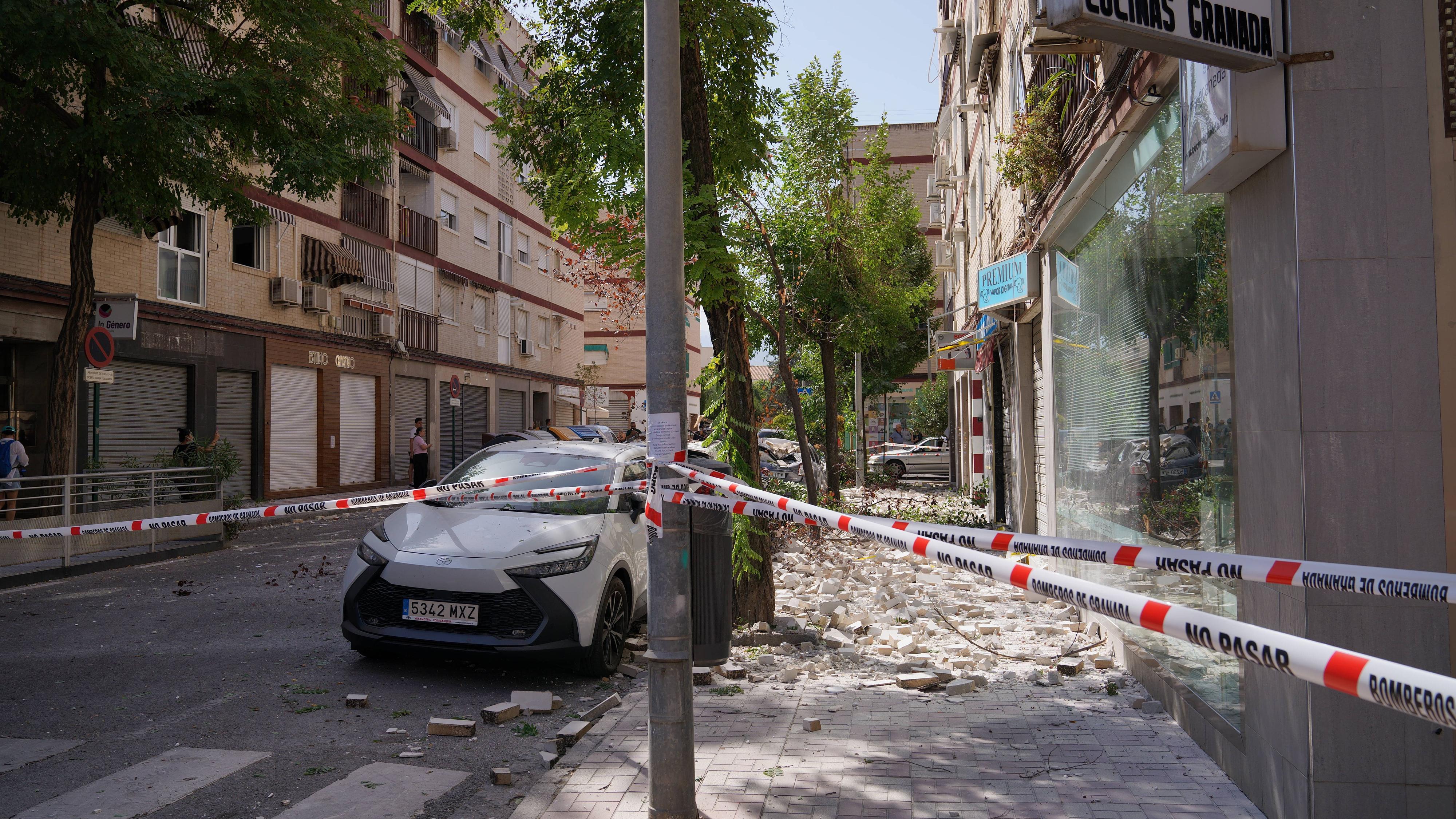
A massive 4.8 magnitude earthquake and a series of powerful aftershocks have rocked the province of Granada, Spain. Authorities have escalated the city to an emergency status following reports of minor injuries and structural damage.
- A major 4.8 magnitude earthquake struck northwest of Gójar.
- Multiple strong aftershocks, including a 4.3 magnitude quake, followed the initial tremor.
- The city of Granada has been upgraded to 'Emergency' status (Operational Situation 1).
- Three people sustained minor injuries, including one minor.
The province of Granada in Spain was shaken early Tuesday morning by a powerful 4.8 magnitude earthquake. According to the National Geographic Institute (IGN), the epicenter was located northwest of Gójar at a shallow depth of 5 kilometers. This seismic event is part of an ongoing series of tremors that has been affecting the region since August 14.
The initial quake was followed by a barrage of significant aftershocks that kept residents on edge. At 11:35 AM, a 4.3 magnitude tremor struck near Alhendín, followed by a 4.2 magnitude quake at 12:39 PM. These tremors were not localized to Granada; they were felt across neighboring Andalusian provinces, including Almería, Málaga, and Córdoba.
Why This Matters
BozokMedia analysis shows that the frequency and intensity of these seismic events suggest a period of heightened tectonic instability in the Andalusian region. For urban centers like Granada, characterized by narrow streets and historic architecture, even moderate tremors pose a significant risk to structural integrity and public safety.
The sequence of aftershocks can often be as destabilizing to aging infrastructure as the primary earthquake itself.
In response to the escalating situation, Granada Mayor Marifrán Carazo announced that the city has moved from a 'pre-emergency' phase to a full 'emergency' status. Local authorities have been overwhelmed, with the Local Police receiving 229 calls and Firefighters handling 168 incidents. Damage to facades and falling debris have forced the closure of seven streets to ensure public safety.
Antonio Sanz, the First Vice President of the Junta de Andalucía, confirmed that three people suffered minor injuries during the tremors, one of whom is a minor who was transported to a local hospital. The regional government has activated the 'Emergency Plan of Andalusia' to manage the seismic risk effectively.
Historical Background
The southern region of Spain, particularly Andalusia, sits near complex tectonic boundaries. This recent cluster of activity, starting in mid-August, highlights the region's vulnerability to seismic shifts, requiring constant monitoring by geophysical institutes to predict potential larger events.
Frequently Asked Questions
Question 1: Is the emergency status still in effect?
Answer: Yes, the city of Granada remains in 'Emergency' status as authorities assess structural damage and monitor aftershocks.
Question 2: What should citizens do if they feel another tremor?
Answer: Experts advise staying indoors if the building is stable, or moving to an open area away from buildings and facades if you are outside.