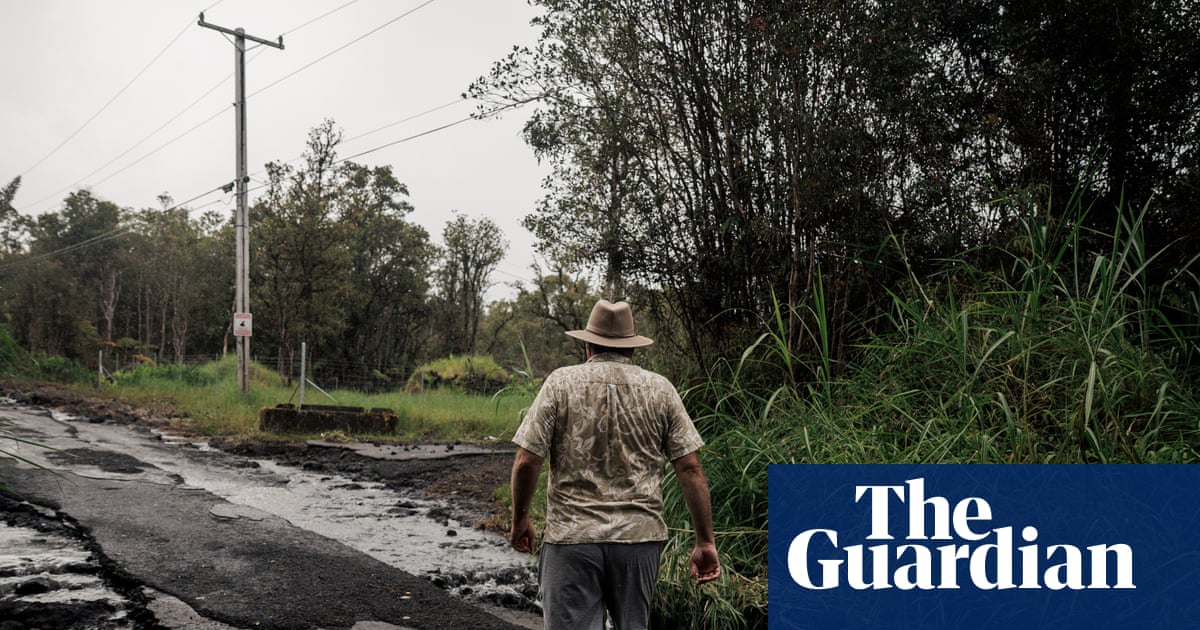
Tropical Storm Lala has caused widespread destruction on Hawaii's Big Island, claiming one life and leaving over 100,000 residents without electricity. Massive flooding has destroyed homes and severed critical transport links to medical facilities.
- Over 100 homes and 6 bridges destroyed on the Big Island due to extreme rainfall and wind.
- Approximately 111,000 customers are without power, with rural restoration expected to take weeks.
- One fatality confirmed in Naalehu; critical highways collapsed, isolating the town of Pahala.
The residents of Hawaii are grappling with the aftermath of Tropical Storm Lala, a weather system that brought catastrophic rain and wind to the Big Island. Although downgraded from a hurricane before landfall, the storm's impact was severe. According to AccuWeather, rainfall exceeded 3.5 feet in several areas over a 48-hour window, leading to flash floods that swept away homes and critical infrastructure.
Hawaii County Mayor Kimo Alameda described the scene in several regions as "devastation." The physical toll is staggering, with at least 100 homes and six bridges damaged or completely destroyed. A critical collapse of a major highway in the south-east has blocked access to Pahala, a town that houses the region's only hospital, creating a secondary humanitarian crisis regarding medical access.
Why This Matters
BozokMedia analysis shows that the intensity of Storm Lala is inextricably linked to the current powerful El Niño cycle amplified by the human-caused climate crisis. Warmer ocean temperatures provide more energy and moisture, turning standard storms into destructive events. This pattern suggests that Hawaii's historical benchmarks for disaster are no longer sufficient for future preparedness.
"Many casualties often happen after the disaster, as people work with chainsaws and generators around downed power lines." - Randy Collins, Emergency Management Director.
The disruption extended to the island of Oahu, where the Honolulu Fire Department responded to over 600 weather-related calls. From roofs being ripped off to downed power lines and water rescues, the scale of the storm's reach was evident. Governor Josh Green estimates that the statewide damage totals hundreds of millions of dollars.
Historically, Hawaii has not faced a "major" hurricane since Hurricane Iniki in 1992. However, the current atmospheric conditions are alarming. The National Oceanic and Atmospheric Administration (NOAA) predicts a 69% chance of a historic El Niño event between October and December, potentially exceeding any event since 1950.
| Metric | Tropical Storm Lala (2026) | Hurricane Iniki (1992) |
|---|---|---|
| Classification | Tropical Storm | Major Hurricane (Cat 3+) |
| Primary Damage | Flooding & Infrastructure Collapse | Wind Destruction & Billions in Loss |
| Climate Driver | Amplified El Niño / Climate Change | Natural Cyclonic Pattern |
Frequently Asked Questions
Q1: Why is the town of Pahala specifically mentioned?
A: Pahala is critical because it contains the region's only hospital, and the highway collapse has cut off all road access to the facility.
Q2: Could Storm Lala regain hurricane status?
A: Yes, the National Hurricane Center warned that the storm could potentially strengthen back into a hurricane by Wednesday.