US President Donald Trump has ruled out any talks with Iran, contradicting claims of maritime stability in the Strait of Hormuz. The standoff threatens global oil supplies and economic stability.
- President Donald Trump confirmed no negotiations are currently underway or scheduled with Iran.
- A major dispute has emerged over whether the Strait of Hormuz remains open for shipping.
- Global oil prices and borrowing costs have spiked following the expiry of a temporary ceasefire.
- The UAE has suspended all commercial and financial transactions with Iran due to regional escalation.
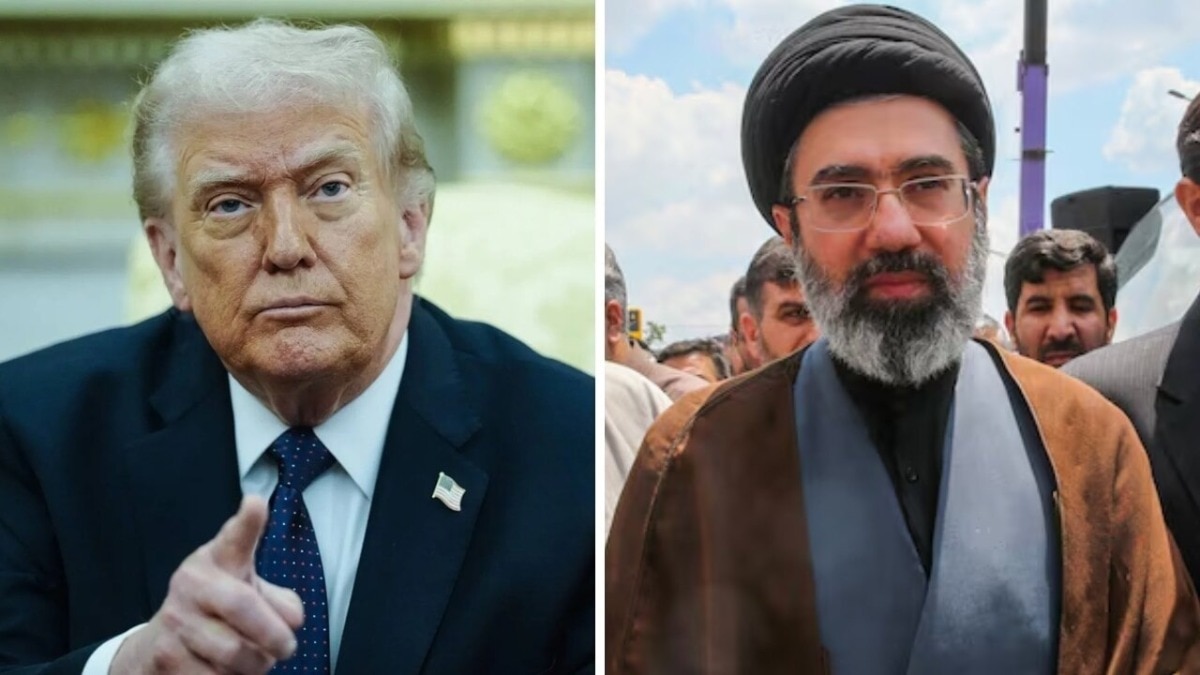
US President Donald Trump stated on Tuesday that there are no ongoing or scheduled talks with the Islamic Republic of Iran. Speaking via Truth Social, Trump dismissed recent optimistic assessments from his son-in-law and special envoy, Jared Kushner, who had suggested that negotiations were becoming more robust. This hardline stance marks a significant shift as the previous ceasefire agreement has officially expired.
The geopolitical friction is centered on the Strait of Hormuz, a vital maritime artery. While Trump insisted the waterway is "open and operating" and that naval mines have been cleared, Iranian negotiator Mohammad Baqer Qalibaf asserted that the strait will remain closed until Washington meets specific conditions. These conditions include lifting oil sanctions, ending the US blockade of Iranian ports, and releasing frozen Iranian assets.
Why This Matters
BozokMedia analysis shows that the volatility in the Strait of Hormuz acts as a massive trigger for global market instability. Because a significant portion of the world's petroleum passes through this narrow channel, any perceived blockage leads to immediate spikes in crude oil prices. The current standoff is not just a bilateral issue between Washington and Tehran; it is a systemic threat to the global economy, affecting borrowing costs and inflation rates worldwide.
The standoff in the Strait of Hormuz represents a high-stakes game of brinkmanship that could inadvertently trigger a global energy crisis.
The situation escalated further when the United Arab Emirates (UAE) reported detecting ballistic missiles launched from Iran. Consequently, the UAE announced a total suspension of trade, commercial exchanges, and financial transactions with Iran. Furthermore, United Kingdom Maritime Trade Operations reported an attack on a vessel in the strait, resulting in casualties and engine damage, adding fuel to the fire of maritime insecurity.
Historical Background
The tension between the US and Iran is rooted in decades of diplomatic friction, primarily revolving around Iran's nuclear ambitions and its influence in the Middle East. The recent six-month conflict, which has seen thousands of casualties in Iran and Lebanon, reached a critical juncture with the expiration of the June 17 memorandum of understanding. This agreement was intended to provide a 60-day window for broader negotiations, but it unraveled due to disagreements over maritime control and sanctions.
Frequently Asked Questions
1. What are Iran's demands for reopening the Strait?
Iran demands an end to the US blockade, the lifting of sanctions, and the release of its frozen assets.
2. How is the conflict affecting the economy?
The standoff has caused oil prices to rise and has pushed borrowing costs for major economies to multi-decade highs.