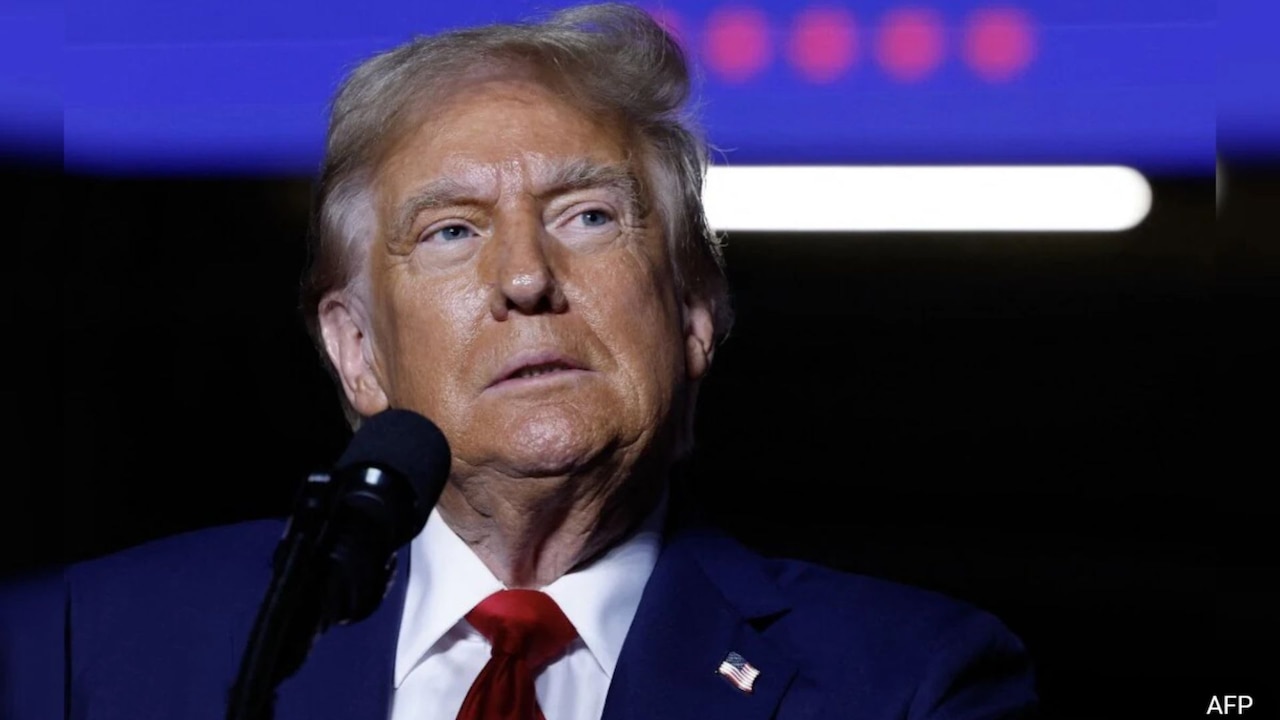
Observers warn that the reduction in joint military exercises initiated during the Trump administration could fundamentally weaken the strategic security ties between the United States and South Korea.
- Reductions in joint military drills pose risks to the US-South Korea security architecture.
- Experts argue that exercises are vital for maintaining deterrence against North Korea.
- Strategic shifts under the Trump administration have sparked debates on alliance reliability.
According to strategic observers and defense analysts, the decision by former President Donald Trump to scale back joint military exercises has had profound implications for the US-South Korea alliance. These drills are not merely routine training sessions; they are considered the bedrock of interoperability and mutual trust between the two nations.
Analysts suggest that by curtailing these large-scale operations, the administration inadvertently sent signals of hesitation regarding America's commitment to regional security. This comes at a time when the threat from North Korea remains a constant and evolving challenge in the Indo-Pacific region.
Why This Matters
BozokMedia analysis shows that military readiness in the Korean Peninsula is heavily dependent on the seamless integration of US and South Korean forces. Reducing the frequency of these drills can lead to a degradation of tactical coordination, which is critical during a sudden crisis.
The frequency and scale of military exercises serve as a vital psychological deterrent against regional aggressors.
The geopolitical landscape in East Asia is increasingly volatile. The stability of the region relies on the visible and credible strength of the US-ROK (Republic of Korea) partnership. When drills are cut, the perception of a 'security gap' emerges, which adversaries may seek to exploit.
Historical Background
Since the end of the Korean War in 1953, the US-South Korea alliance has evolved from a basic defensive pact into a sophisticated security partnership. Joint exercises have historically been the primary mechanism to ensure that both militaries can respond effectively to provocations.
Frequently Asked Questions
Question 1: How did the Trump administration view these military drills?
Answer: The administration often viewed the high costs of these drills through a transactional lens, seeking to balance defense spending with economic interests.
Question 2: What is the impact on North Korea?
Answer: Reductions in drills can be interpreted by North Korea as a sign of weakened US resolve, potentially encouraging more aggressive testing of their missile technology.