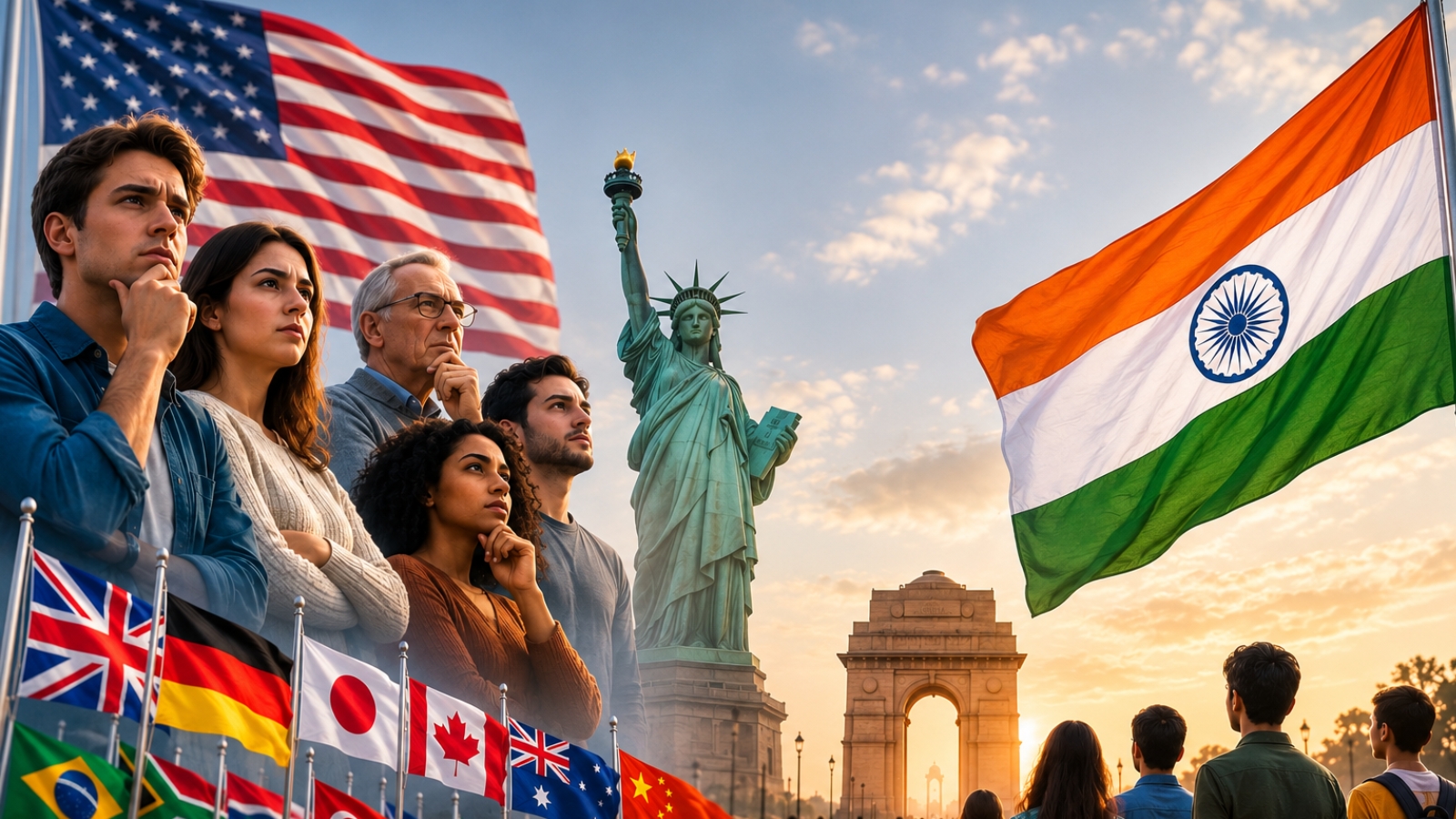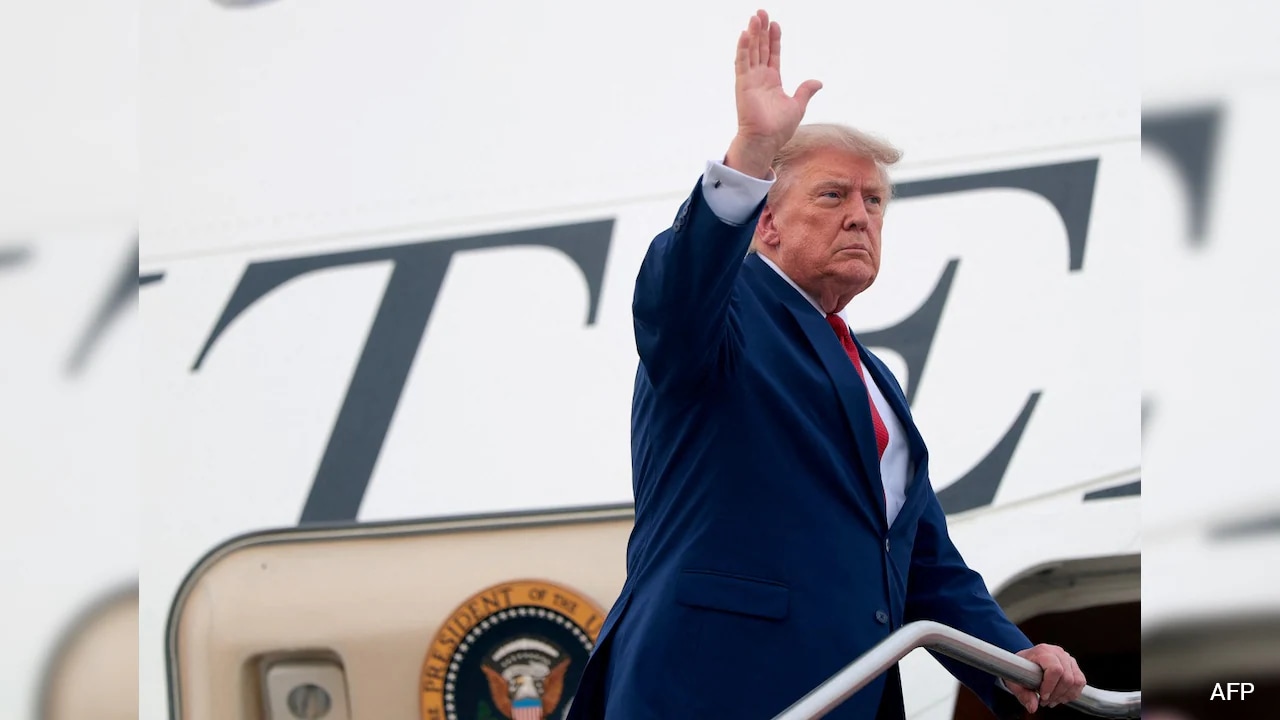
Donald Trump's preference for unpredictability and personal grievances over strategic security has created significant friction with key allies Oman and South Korea amidst Iran-related tensions.
- Donald Trump has jeopardized critical security relationships with Oman and South Korea.
- Decisions were reportedly driven by personal squabbles rather than national security interests.
- The instability coincides with high-stakes tensions regarding Iran and regional warfare.
Former President Donald Trump has long championed a foreign policy rooted in unpredictability. However, recent evidence suggests that this approach has crossed the line from strategic ambiguity to diplomatic liability. By allowing personal grievances to dictate his interactions with Oman and South Korea, Trump has undermined the very foundations of America's critical security architecture.
The tension with Oman is particularly concerning given the nation's role as a vital intermediary between Washington and Tehran. In the shadow of a potential war with Iran, the need for stable, trust-based diplomacy is paramount. Yet, Trump's erratic swings have threatened the delicate diplomatic channels that prevent regional escalation. Similarly, his relationship with South Korea has been marred by demands for increased defense spending, treating a security alliance as a commercial transaction.
Why This Matters
BozokMedia analysis shows that the transition from institutional to transactional diplomacy creates a precarious environment for global allies. When personal whims supersede treaty obligations, the credibility of the US security umbrella vanishes. This shift encourages allies to seek alternative security arrangements, potentially diminishing US hegemony in the Indo-Pacific and Middle East.
"The erosion of trust in US commitments is a strategic gift to adversaries who seek to divide the West from its allies."
Historically, the United States has maintained a policy of 'Collective Defense,' ensuring that an attack on one ally is viewed as an attack on all. From the post-WWII era through the Cold War, this stability was the bedrock of global peace. Trump's deviation from this norm suggests a move toward a 'mercenary' style of diplomacy, where protection is granted only to those who satisfy the leader's personal criteria.
The long-term implications are severe. If South Korea and Oman perceive the US as an unreliable partner, the strategic vacuum will likely be filled by regional competitors. The risk is not just a loss of friendship, but a loss of strategic access to critical geographic corridors and intelligence networks.
Frequently Asked Questions
1. Why is Trump's foreign policy described as 'unpredictable'?
Because his decisions often bypass traditional State Department protocols and are based on personal instincts or grievances.
2. How does this affect the US-Iran dynamic?
By straining ties with mediators like Oman, the US loses its ability to conduct quiet diplomacy, increasing the risk of accidental military escalation.