Claims by former Congresswoman Marjorie Taylor Greene regarding high-level US deliberations on nuclear strikes against Iran have thrust the B61 tactical bomb into the global spotlight.
- Claims of secret US strategy meetings discussing nuclear options against Iran.
- The failure of conventional GBU-57 bunker busters to fully destroy Iranian sites.
- The deployment of the B61-13 variant via the B-21 Raider bomber.
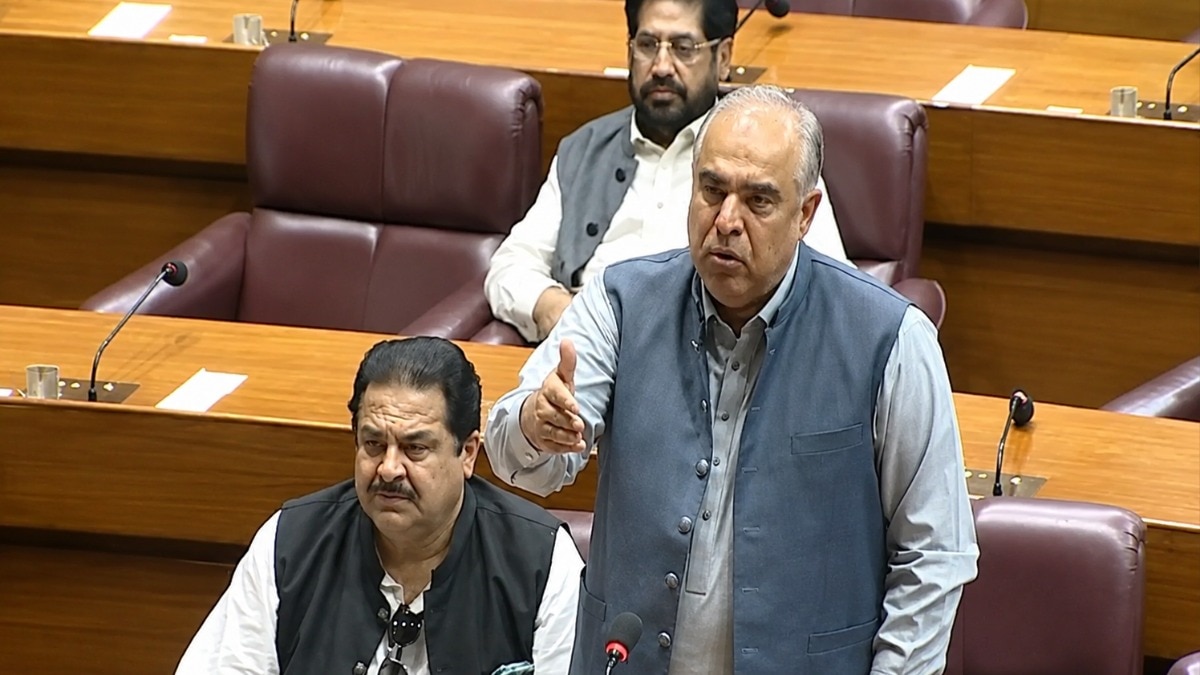
Hours before the expiration of a 60-day US-Iran Memorandum of Understanding (MoU), former US Congresswoman Marjorie Taylor Greene ignited a global firestorm by claiming that high-level strategy meetings are underway in Washington to discuss the use of nuclear weapons against Iran. While providing no evidence, Greene described the deliberations as "pure evil" and warned of a potential nuclear holocaust.
This rhetoric aligns with recent statements from Donald Trump, who has reiterated that the primary objective of the US is to prevent Iran from acquiring nuclear capabilities, demanding that Tehran raise a "white flag of surrender." The escalating tension puts the world on edge as the diplomatic window closes.
The Failure of Operation Midnight Hammer
The shift toward nuclear discussions stems from the perceived inadequacy of conventional strikes. On June 22 of last year, the US launched Operation Midnight Hammer, deploying B-2 bombers to strike nuclear sites in Isfahan, Natanz, and the heavily fortified Fordow complex. The US utilized the GBU-57 Massive Ordnance Penetrators (MOP)—the largest non-nuclear bombs in its inventory. However, subsequent IAEA reports indicated that while damaged, these sites were not fully neutralized, leaving Iran with significant stocks of Highly Enriched Uranium.
Why This Matters
BozokMedia analysis shows that the US is facing a strategic dilemma: conventional weapons cannot reach the deepest Iranian bunkers, and diplomatic channels are frozen. This creates a dangerous vacuum where "tactical nukes"—weapons with yields between 1 and 100 kilotons—become an attractive military option for a leader who views conventional stalemate as a failure.
The shift toward tactical nuclear weapons lowers the threshold for nuclear use, potentially transforming them from deterrents into active tools of warfighting.
The B61: The 'Dial-a-Yield' Weapon
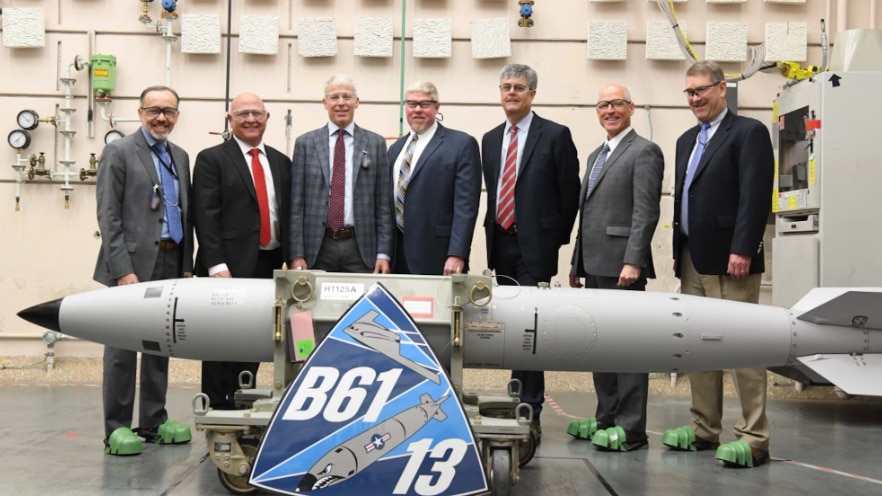
If the US authorizes a strike, the B61 thermonuclear bomb would be the weapon of choice. Entering service in 1963, the B61 is a gravity bomb with a unique "dial-a-yield" capability, allowing its explosive power to be programmed from 0.3 KT to 400 KT depending on the target's resilience.
| Variant | Carrier Aircraft | Strategic Role |
|---|---|---|
| B61-12 | F-35, F-16 | Forward-deployed in Europe via NATO sharing. |
| B61-13 | B-21 Raider | High-yield penetration for hardened underground targets. |
The newer B61-13, entering service around May 2025, is specifically designed for the B-21 Raider. According to the Federation of Atomic Scientists, this variant utilizes "ground-shock coupling," transferring energy directly into the earth rather than the air, making it devastating against deep-buried facilities. While the remote location of Iranian sites might limit immediate radiation risks, the geopolitical fallout would be unprecedented.
Frequently Asked Questions
1. What is the difference between tactical and strategic nuclear weapons?
Strategic weapons are designed for city-level destruction to deter total war, whereas tactical weapons are smaller and intended for specific battlefield targets like military bases or bunkers.
2. Why is the B61-13 considered more dangerous for bunkers?
Due to its high yield and ground-shock coupling, it can simulate the impact of a much larger surface burst, effectively crushing underground structures.