US Secretary of State Marco Rubio has announced sanctions against the ICC President and a senior lawyer, as the Trump administration intensifies its campaign to dismantle the court.
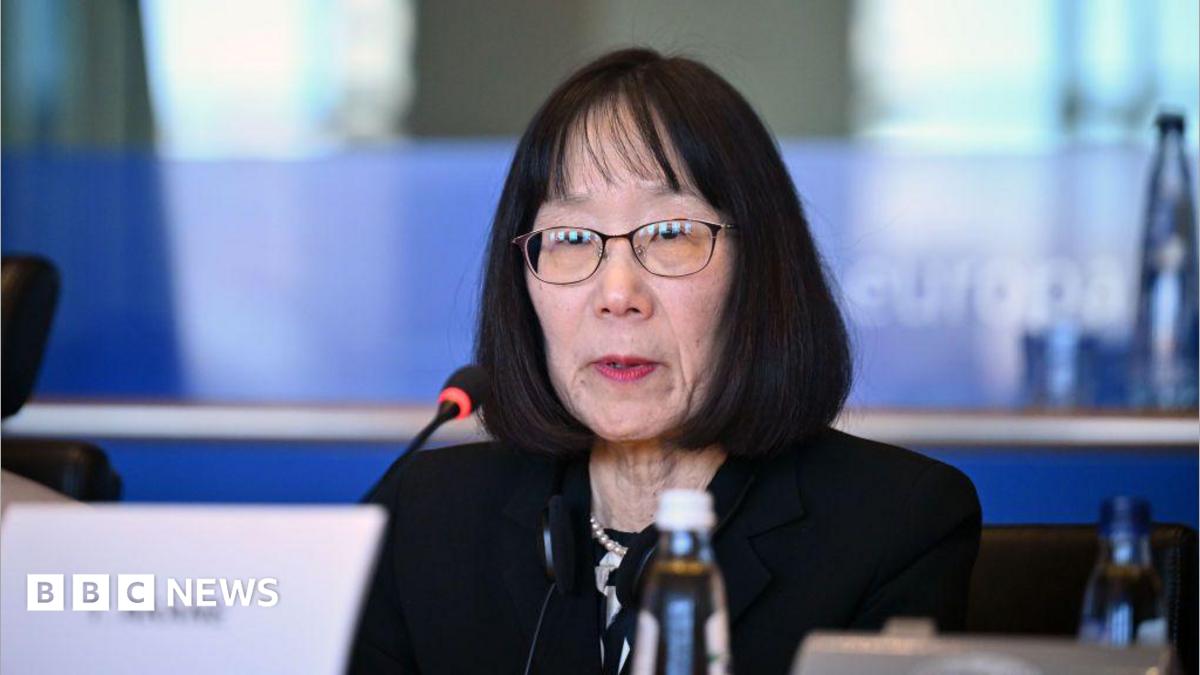
- US sanctions have been levied against ICC President Tomoko Akane and Senior Lawyer Abdoulaye Seye.
- The Trump administration aims to dismantle the ICC 'brick by brick'.
- Sanctions include asset freezes, travel bans, and restrictions on US services.
- The move follows ICC investigations into US personnel in Afghanistan and Israeli officials in Gaza.
US Secretary of State Marco Rubio has escalated the diplomatic war against the International Criminal Court (ICC) by announcing sanctions against ICC President Tomoko Akane of Japan and Senior Trial Lawyer Abdoulaye Seye of Senegal. This move follows a direct mandate from President Donald Trump to dismantle the supranational body.
Rubio accused the court of overstepping its legal mandate and engaging in malicious efforts to prosecute officials from nations that have not consented to the court's jurisdiction. "The ICC is a corrupt and fatally politicized supranational court," Rubio stated, emphasizing that the US will not tolerate assaults on state sovereignty.
Why This Matters
BozokMedia analysis shows that these sanctions represent a fundamental shift in global geopolitics, where the US is actively working to undermine the very international institutions it helped shape post-WWII. By targeting the leadership of the ICC, Washington is signaling that it will prioritize national interests and allies—such as Benjamin Netanyahu—over international judicial oversight.
The Trump administration is effectively seeking a 'get-out-of-jail-free card' for its allies by dismantling the mechanisms of international accountability.
The administration has already targeted at least 11 ICC officials, including nine judges and the chief prosecutor. These sanctions are not merely symbolic; they include asset freezes and travel bans that significantly limit the ability of these individuals to conduct global financial transactions involving US dollars.
The tension stems from the ICC's pursuit of war crimes investigations involving US personnel in Afghanistan and warrants issued against top Israeli officials regarding the conflict in Gaza. While Israel and the US are not members of the ICC, the court's reach has created a direct collision course with American foreign policy.
Human rights organizations, including Human Rights Watch, have reacted strongly, filing lawsuits against the administration. They argue that these sanctions are unconstitutional and serve to stifle the global fight against genocide and crimes against humanity.
Frequently Asked Questions
1. Why is the US targeting the ICC?
The US argues the ICC lacks legitimacy and oversteps its jurisdiction by investigating citizens of non-member states like the US and Israel.
2. What are the consequences of these sanctions?
Sanctioned individuals face frozen assets, travel restrictions, and difficulty accessing the global banking system due to US dollar dependencies.