As the Mecca Joint Defence Agreement gains momentum, Egypt's decision to remain neutral has sparked intense geopolitical debate. Analysts suggest India's growing strategic influence may be playing a pivotal role in Cairo's stance.
- Egypt has opted not to join the proposed Mecca Joint Defence Agreement.
- The pact, involving Saudi Arabia, Turkey, and Pakistan, is being termed an 'Islamic NATO'.
- India's strengthening strategic and economic ties with Egypt are viewed as a potential reason for this neutrality.
The security architecture of the Middle East is undergoing a seismic shift. The emergence of the Mecca Joint Defence Agreement—frequently referred to in geopolitical circles as the 'Islamic NATO'—has met with a significant setback as Egypt has decided to maintain its distance. This move is not just a regional security decision but a signal of shifting global alliances.
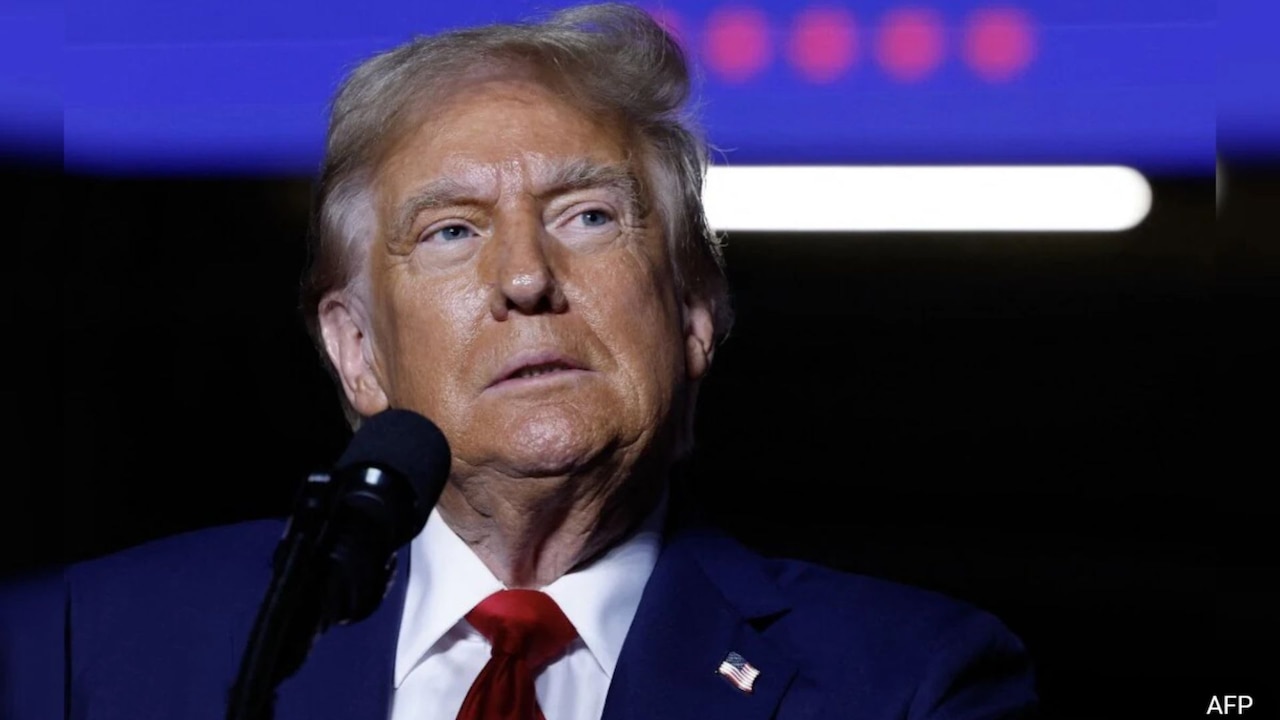
The Mecca Pact, which includes heavyweights like Saudi Arabia, Turkey, and Pakistan, has garnered international attention, with U.S. President Donald Trump describing it as a 'big, bold step.' However, Egypt’s refusal to join suggests that Cairo is wary of being drawn into a bloc that could limit its diplomatic maneuverability.
Why This Matters
BozokMedia analysis shows that Egypt's stance is a masterclass in strategic autonomy. By avoiding the Mecca Pact, Egypt avoids becoming entangled in the complex rivalries that often exist between Turkey, Pakistan, and Saudi interests, thereby preserving its role as a neutral mediator in the region.
Egypt's decision underscores a transition from identity-based alliances to interest-based strategic partnerships in the modern era.
A critical question being raised by analysts is whether India is a silent architect behind this decision. In recent years, the bilateral relationship between New Delhi and Cairo has reached unprecedented heights. From defense technology cooperation to massive surges in trade and maritime security, India has become a reliable and non-aligned partner for Egypt.
The growing synergy between India and Egypt provides Cairo with a robust alternative to traditional regional blocs. By deepening ties with a global economic powerhouse like India, Egypt gains significant leverage, allowing it to pursue its national interests without being beholden to the specific ideological or religious agendas of a Middle Eastern defense pact.
Historical Background
Historically, Egypt has always sought to maintain a balance of power in the Middle East. As the custodian of the Suez Canal and a cultural heavyweight, Egypt has traditionally resisted joining any alliance that could compromise its sovereignty or force it to take sides in regional conflicts.
Frequently Asked Questions
1. What is the Mecca Joint Defence Agreement?
It is a proposed defense alliance between Saudi Arabia, Turkey, and Pakistan, aimed at enhancing collective security in the Islamic world.
2. How does India influence Egypt's foreign policy?
While India does not dictate policy, its growing economic and strategic importance provides Egypt with the diplomatic flexibility to remain neutral in regional pacts.