An investigation by NDTV Datafy reveals the mechanics of Shahzad Bhatti's social media empire, used to radicalize Indian youth. Despite its unpolished appearance, the network is a potent tool for digital insurgency.
- Shahzad Bhatti utilizes a vast social media network to target and radicalize Indian youth.
- The network lacks professional sophistication but remains highly effective in its reach.
- NDTV Datafy's analysis exposes the digital infrastructure used for terrorist recruitment.
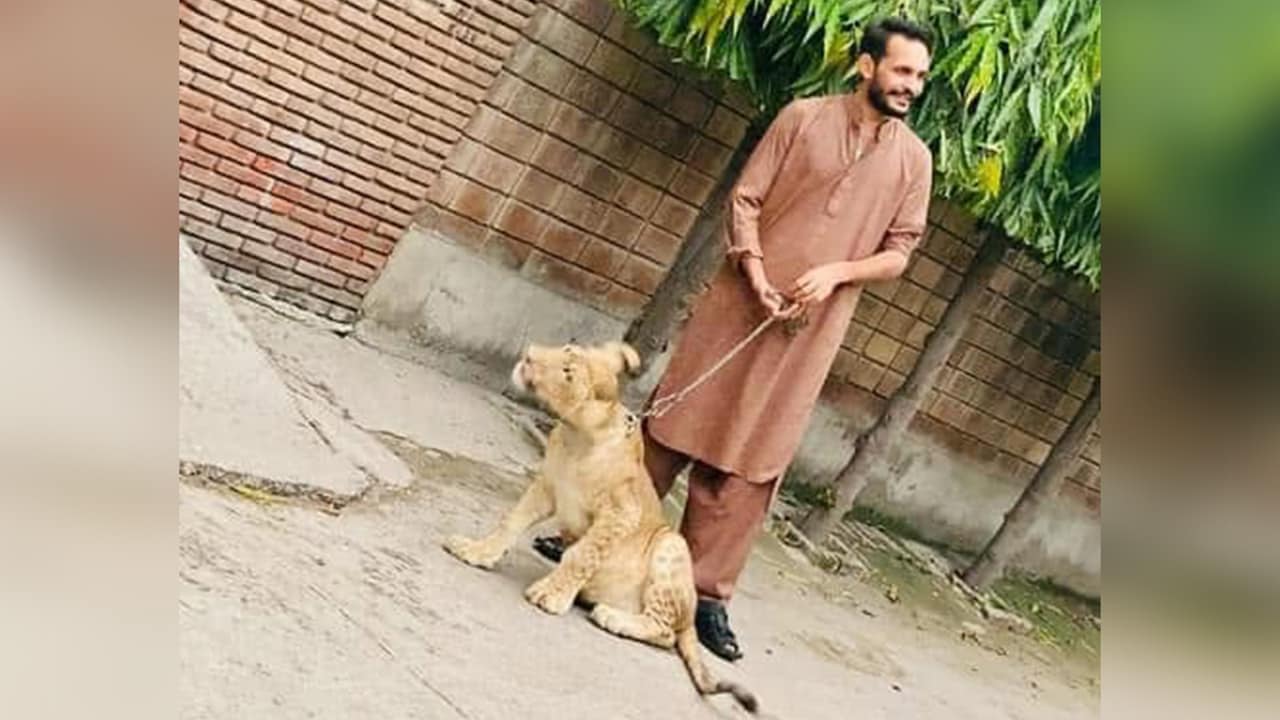
A deep-dive investigation by NDTV Datafy has pulled back the curtain on the 'Bhatti-verse,' a sprawling digital network orchestrated by Pakistan-backed handler Shahzad Bhatti. The analysis details the sophisticated yet deceptive methods used to lure young Indians into the orbit of terrorist activities through social media platforms.
Interestingly, the network does not exhibit the hallmarks of a high-tech, professional-grade cyber operation. Instead, the 'Bhatti-verse' appears relatively unpolished and decentralized. This lack of professional veneer may actually serve as a tactical advantage, allowing the network to blend into the mundane digital noise of social media, making detection by conventional intelligence more challenging.
Why This Matters
BozokMedia analysis shows that the democratization of social media has provided a low-cost, high-impact battlefield for non-state actors. By exploiting the psychological vulnerabilities of impressionable youth, handlers like Bhatti can bypass traditional border security to wage a war of ideologies directly within the smartphones of their targets.
The shift from organized propaganda to decentralized, unpolished digital grooming represents a new frontier in asymmetric warfare.
The network functions as a psychological pipeline. It begins with seemingly harmless interactions and slowly transitions into ideological indoctrination, eventually driving individuals toward real-world violence. This method of 'digital grooming' relies heavily on building a false sense of community and shared grievance.
Historical Background
Historically, terrorist recruitment relied on physical meetings and clandestine pamphlets. However, the advent of the internet shifted this paradigm. Over the last decade, state-sponsored actors have evolved from using websites to using mainstream social media algorithms to create 'echo chambers' that amplify extremist views.
Frequently Asked Questions
Question 1: What is the 'Bhatti-verse'?
Answer: It is the term used to describe the vast, decentralized social media network created by Shahzad Bhatti for radicalization purposes.
Question 2: Is the network professionally managed?
Answer: No, the NDTV Datafy analysis suggests the network appears unpolished and non-professional in its execution.