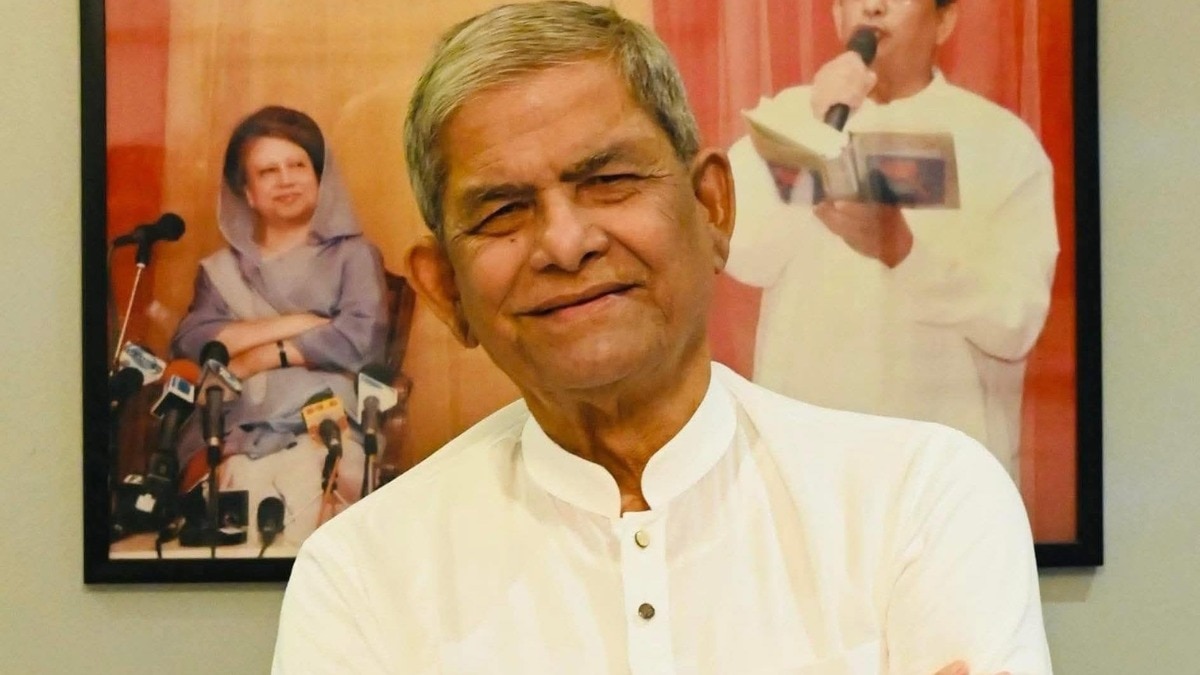
Iranian Speaker Mohammad Baqer Ghalibaf has declared that resistance is Iran's only route to victory, warning that diplomacy without military readiness is meaningless against US pressure.
- Ghalibaf stated that resistance is the sole path to victory for Iran.
- He dismissed US political appointees as being 'out of their league.'
- The Speaker warned that negotiations are futile without preparedness for conflict.
In a high-stakes geopolitical assertion, Iran's Parliament Speaker Mohammad Baqer Ghalibaf has signaled a hardening of Tehran's stance against Western pressure. Ghalibaf emphasized that 'resistance' is not merely a policy but the fundamental requirement for Iran's survival and ultimate victory. He explicitly warned that any diplomatic engagement or negotiation would be utterly fruitless if the nation is not fully prepared for the possibility of war.
The Speaker's remarks come amidst shifting dynamics in the United States. Ghalibaf took aim at incoming US figures, including Scott Bessent and Pete Hegseth, suggesting they are 'way out of their league' regarding Middle Eastern complexities. This rhetoric underscores Tehran's refusal to be intimidated by the changing political landscape in Washington, viewing US tactics as attempts to squeeze concessions that were never part of previous framework agreements.
Why This Matters
BozokMedia analysis shows that these statements serve as a strategic deterrent. By linking diplomatic success directly to military readiness, Iran is attempting to reshape the narrative of the upcoming negotiations, moving from a position of perceived vulnerability to one of calculated strength. This stance significantly raises the stakes in the Strait of Hormuz and broader regional security.
If we are not prepared for war, negotiations will also be fruitless.
The tension is further exacerbated by Tehran's characterization of the US team as 'clowns,' a term that highlights the deep-seated diplomatic frost between the two nations. The dispute is no longer just about economic sanctions; it has evolved into a fundamental struggle over sovereignty and the legitimacy of international frameworks.
Historical Background
The adversarial relationship between Iran and the United States dates back to the 1979 Islamic Revolution. Over the decades, issues ranging from nuclear proliferation to regional influence have fueled a cycle of sanctions, proxy conflicts, and failed diplomatic attempts, creating a climate of deep mistrust.
Frequently Asked Questions
1. What is Ghalibaf's stance on US negotiations?
He believes negotiations are only valid if Iran is militarily prepared to defend its interests during the process.
2. Why does Iran mention the 'framework agreement'?
Tehran claims the US is attempting to extract new concessions that fall outside the scope of original diplomatic understandings.