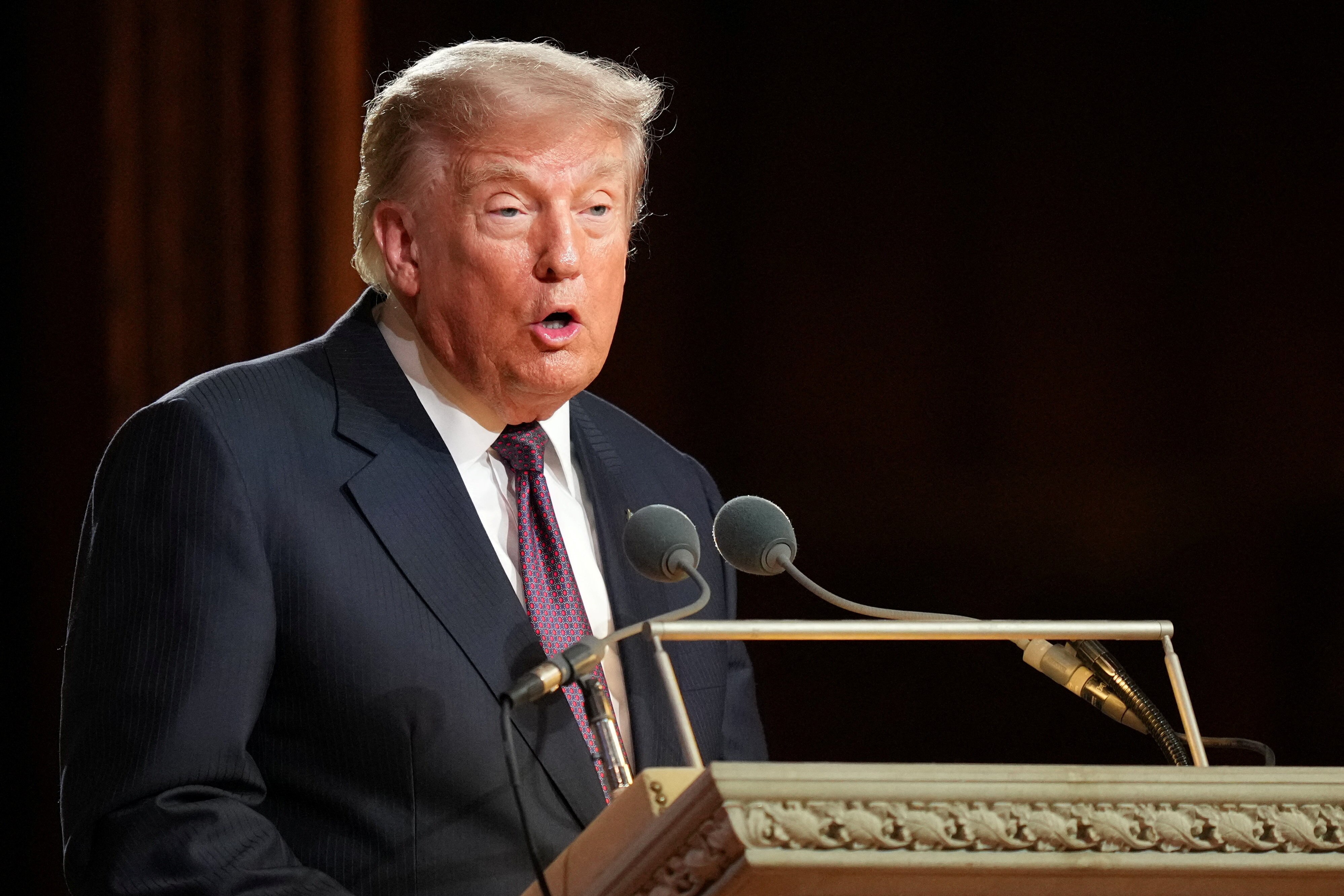
The escalating conflict between Iran and the United States has reached a critical juncture, with threats of nuclear confrontation looming. As Donald Trump takes a hardline stance, the Gulf region braces for potential instability.
- Iran and the US are facing an unprecedented diplomatic breakdown.
- Major shipping rerouting in the Strait of Hormuz due to Iranian dominance.
- Donald Trump has issued a strict ultimatum regarding the nuclear deal.
The geopolitical landscape of the Middle East is teetering on the edge of a massive confrontation. The ongoing friction between Iran and the United States has escalated to a point where nuclear conflict is no longer a distant possibility but a looming reality. Reports indicate that Iran has formulated contingency plans for massive retaliatory strikes against US interests, causing panic across the Gulf nations.
A critical flashpoint has emerged in the Strait of Hormuz. According to data from a major tracking firm, nearly 80% of vessels have altered their routes to avoid the area, as Iran seeks to tighten its grip on this strategic waterway. This shift in maritime traffic signals a massive disruption to global energy security and trade stability.
Why This Matters
BozokMedia analysis shows that any prolonged closure or instability in the Strait of Hormuz could trigger a catastrophic spike in global oil prices, potentially plunging the world economy into a recessionary spiral.
The collision between Iran's aggressive posture and the US 'Maximum Pressure' doctrine is creating a volatile environment ripe for nuclear escalation.
Former President and potential leader Donald Trump has signaled a zero-tolerance policy, stating that negotiations will only resume if Iran is prepared to adhere to strict nuclear deal terms. This uncompromising stance has pushed Tehran into a corner, leading to heightened rhetoric and military readiness on both sides.
Historical Background
The animosity between Washington and Tehran dates back to the 1979 Islamic Revolution. Over the decades, sanctions, proxy wars, and disagreements over Iran's nuclear capabilities have fueled a cycle of hostility that has now reached its most dangerous phase in history.
Frequently Asked Questions
Question 1: Is a nuclear exchange imminent?
Answer: While tensions are at an all-time high, a nuclear exchange remains a worst-case scenario that both global powers are attempting to avoid through various strategic deterrents.
Question 2: How will this impact the common man?
Answer: Escalation in the Middle East typically leads to increased fuel prices and inflation globally.