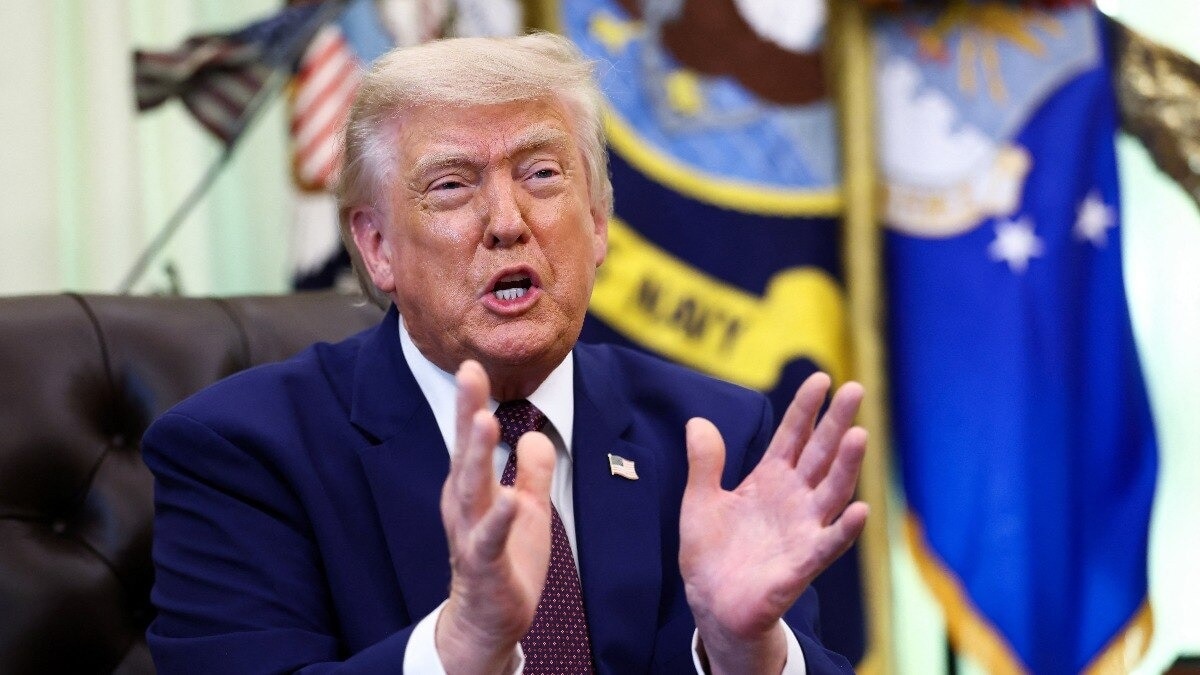
Donald Trump has firmly denied any upcoming negotiations with Tehran, while Iranian Foreign Minister Abbas Araghchi countered by claiming the US is actually 'begging' for dialogue.
- Donald Trump has explicitly ruled out any scheduled talks with the Iranian administration.
- Iranian Foreign Minister Abbas Araghchi claimed the US is 'begging' for negotiations.
- The diplomatic standoff highlights the deepening rift between Washington and Tehran.
The geopolitical landscape of the Middle East has entered a volatile phase as the rhetoric between the United States and Iran reaches a fever pitch. Donald Trump has issued a definitive denial regarding any potential negotiations with the Iranian government, reinforcing a hardline stance that has characterized much of his political identity. This refusal signals a significant barrier to any immediate de-escalation in the region.
In a sharp counter-narrative, Tehran has dismissed the notion of American strength in these negotiations. Iranian Foreign Minister Abbas Araghchi made a provocative claim, asserting that it is actually the United States that is 'begging' for a seat at the negotiating table. This high-stakes verbal sparring underscores a complete breakdown in diplomatic communication and a mutual lack of trust.
Why This Matters
BozokMedia analysis shows that this hardening of stances by both sides significantly increases the risk of miscalculation. As the rhetoric moves from policy discussions to personal and national insults, the window for traditional diplomacy narrows, potentially paving the way for increased military posturing or economic warfare.
The intersection of Trump's 'maximum pressure' philosophy and Iran's defiant stance creates a geopolitical vacuum that could destabilize global oil markets and regional security.
Historically, the relationship between the US and Iran has been defined by decades of hostility, dating back to the 1979 Islamic Revolution. From sanctions to proxy conflicts, the two nations have rarely found common ground. Trump's current position mirrors his previous administration's approach, which prioritized economic coercion over diplomatic engagement, a strategy that remains highly controversial among global diplomats.
As the world watches, the implications of this standoff extend far beyond bilateral relations. The stability of the Strait of Hormuz and the future of the JCPOA (Nuclear Deal) framework hang in the balance of this escalating tension. Whether this is mere political posturing or a precursor to a more direct confrontation remains to be seen.
Frequently Asked Questions
1. What is Donald Trump's current stance on Iran?
Trump has officially denied that any talks with Tehran are scheduled, indicating a refusal to engage in current negotiations.
2. How did Iran respond to the US position?
Iranian Foreign Minister Abbas Araghchi responded by claiming that the US is actually the one seeking negotiations desperately.