Following the UAE's decision to halt all economic ties with Tehran, Iran's armed forces have warned that assisting the U.S. military will be viewed as direct participation in hostilities.
- UAE has suspended all trade, commercial, and financial dealings with Iran.
- Iran warns that facilitating U.S. military operations amounts to active participation in war.
- The Strait of Hormuz remains a critical flashpoint with ongoing commercial ship attacks.
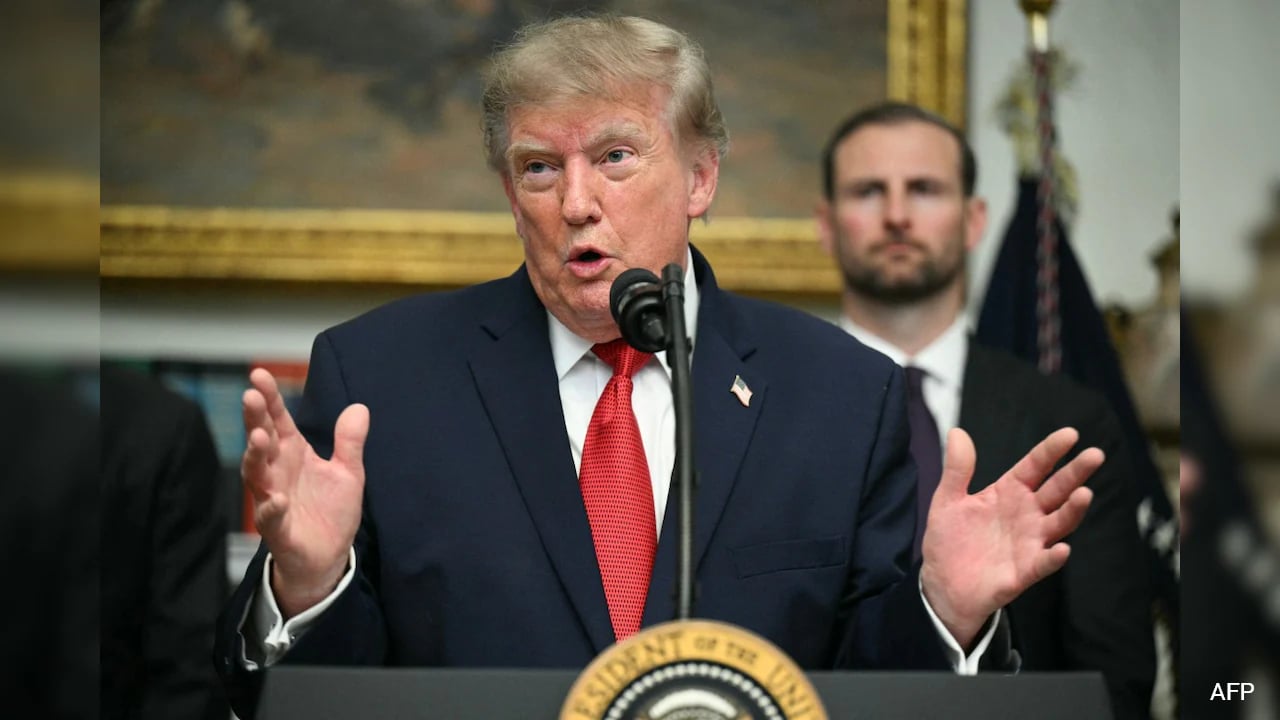
- U.S. President Donald Trump has claimed the Strait as 'NEW U.S. Territory' on social media.
In a significant escalation of regional tensions, Iran's armed forces issued a stern warning to Gulf nations on Wednesday, stating that any assistance provided to the United States military would be categorized as participation in U.S. military operations. This declaration comes shortly after the United Arab Emirates (UAE) announced the total suspension of economic and financial ties with Tehran.
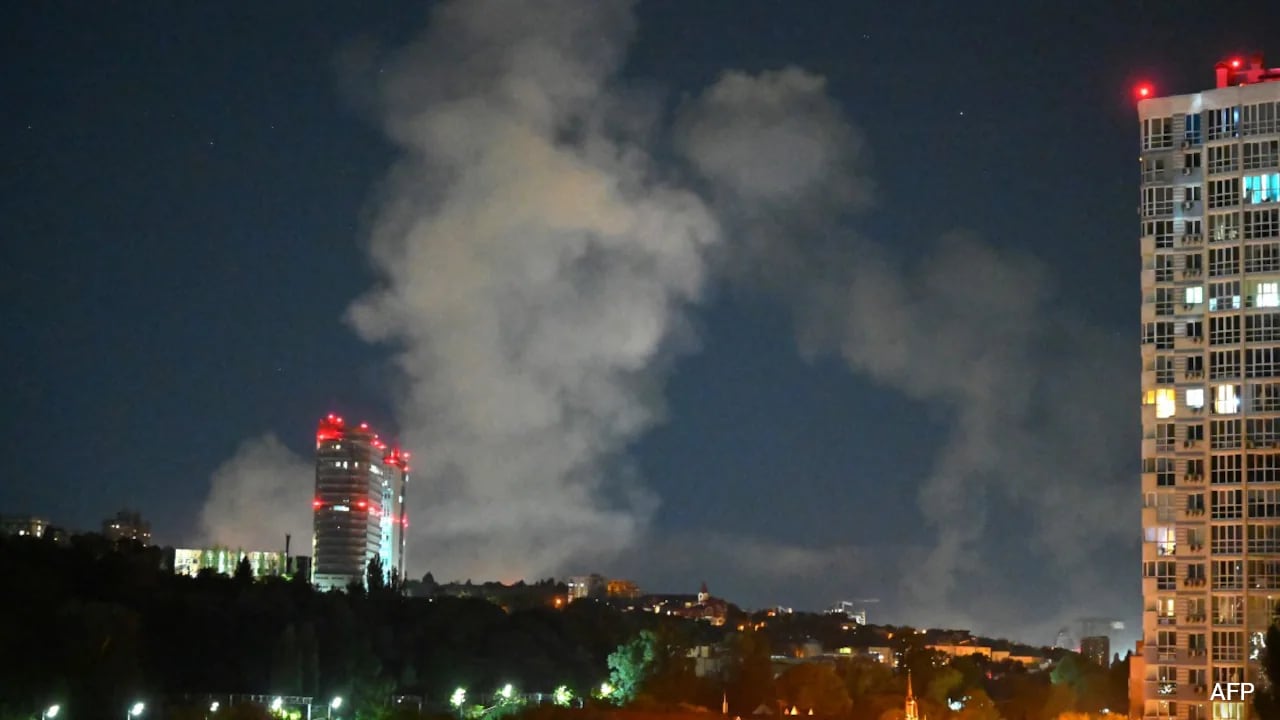
The geopolitical landscape has turned volatile following reports that Iran fired ballistic missiles near UAE waters, targeting commercial shipping. While the UAE has officially halted all transactions, the presence of U.S. military installations across the Gulf puts regional players in an increasingly precarious position.
Why This Matters
BozokMedia analysis shows that the stability of the Middle East hinges on the freedom of navigation through the Strait of Hormuz. The collapse of previous U.S.-Iran diplomatic frameworks, combined with President Donald Trump's aggressive rhetoric regarding the annexation of the strait as U.S. territory, suggests that a full-scale maritime conflict is no longer a distant possibility, but an imminent threat to global energy markets.
Iranian Chief of Staff Ali Abdollahi stated that regional hosts cannot claim ignorance regarding the presence of massive U.S. military aircraft in their airspace.
The conflict, which traces its current intensity back to February 28 following U.S.-Israeli strikes on the Islamic Republic, has seen a devastating cycle of missile and drone retaliations. Despite claims from some officials regarding active dialogues, President Trump has explicitly denied any ongoing talks, reinforcing a policy of maximum pressure and naval blockade.
Historically, the UAE has served as a vital economic bridge for Iran, hosting a significant Iranian diaspora and maintaining robust trade links. The sudden severance of these ties—including the closure of Iran-linked schools and hospitals—marks a historic shift in regional diplomacy and suggests a permanent fracture in Gulf-Persian relations.
| Feature | Pre-Conflict Status | Current Status (Post-Aug 2026) |
|---|---|---|
| UAE-Iran Trade | Robust & Active | Suspended Indefinitely |
| Strait of Hormuz | Open Trade Corridor | Iranian Blockade / U.S. Counter-Blockade |
| Diplomatic Channels | Active/Negotiating | Collapsed / Hostile |
Frequently Asked Questions
1. Why did the UAE stop trading with Iran?
The UAE cited regional escalations and direct Iranian missile attacks on shipping near its coast as the primary reasons for suspending all economic dealings.
2. What is Iran's stance on U.S. bases in the Gulf?
Iran maintains that any country providing logistics or refueling to U.S. military aircraft is effectively participating in military operations against Iran.