Commentator Bill O'Reilly suggests that Donald Trump must navigate his dealings with Iran carefully to avoid any perception of weakness on the global stage.
- Bill O'Reilly emphasizes the importance of perceived strength in Trump's Iran policy.
- The geopolitical tension with Iran poses a risk to Trump's political brand.
- Maintaining a dominant stance is crucial for US global influence.
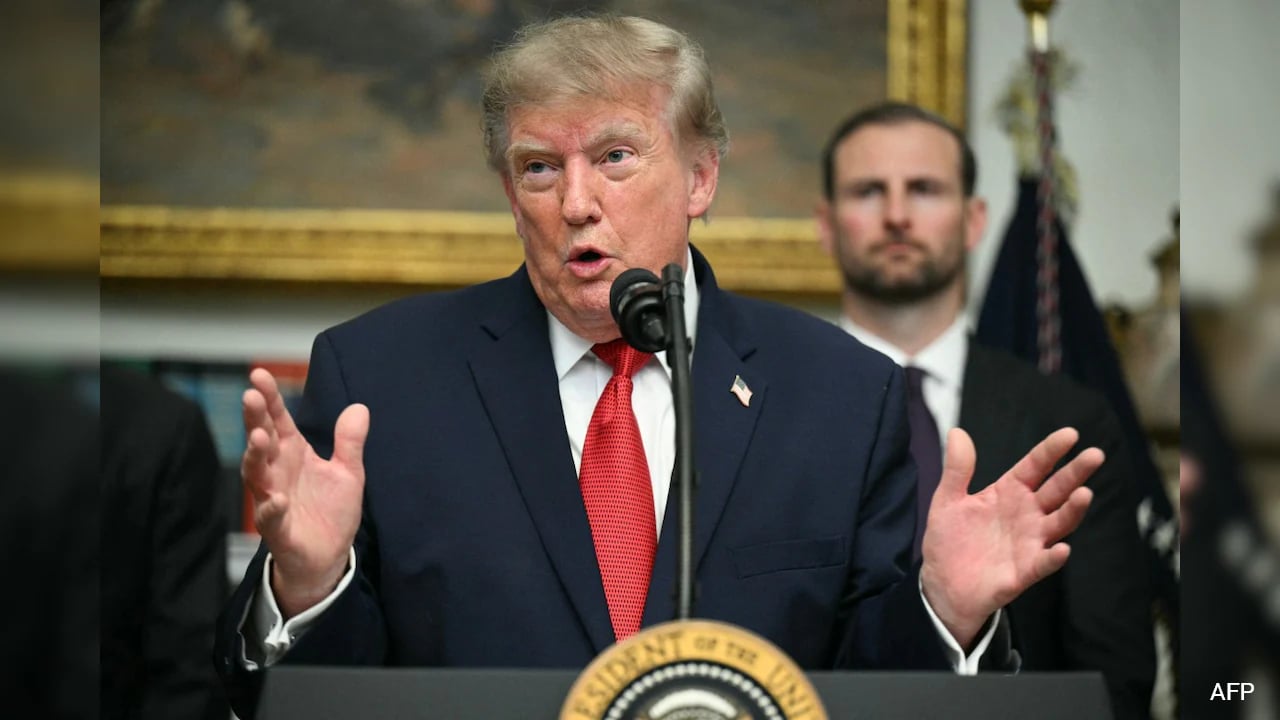
Renowned commentator Bill O'Reilly has issued a stark warning regarding Donald Trump's approach to Iran. According to O'Reilly, the former President cannot afford to let the Iranian regime engage in maneuvers that make him appear like a 'loser' on the international stage. This highlights the intersection of foreign policy and personal political branding.
The relationship between the United States and Iran has long been characterized by deep-seated hostility. O'Reilly argues that for a leader like Trump, whose political identity is built on the concept of strength and dominance, any perceived concession or inability to respond to Iranian provocations could be politically fatal.
Why This Matters
BozokMedia analysis shows that in the modern era of hyper-connected media, a leader's perceived strength or weakness is instantly broadcasted globally. For the US, a perceived lack of control over a major Middle Eastern adversary like Iran can embolden other regional actors and shift the global balance of power.
For Trump, the Iranian challenge is as much about maintaining his 'strongman' persona as it is about national security.
Historically, the US-Iran standoff has seen various iterations, from the 1979 hostage crisis to the recent withdrawal from the Joint Comprehensive Plan of Action (JCPOA). Each era of tension has forced US presidents to balance military posturing with diplomatic maneuvering.
As the political landscape shifts, the pressure on US leadership to project unyielding strength remains a constant. O'Reilly's comments suggest that the upcoming geopolitical shifts will test whether Trump's 'America First' doctrine can effectively deter Iranian influence without triggering a full-scale regional conflict.
Frequently Asked Questions
Question 1: What is the core of O'Reilly's argument?
Answer: He argues that Trump must prevent Iran from making him appear weak or unsuccessful in the eyes of the world.
Question 2: Why is the Iran-US relationship so volatile?
Answer: It is driven by conflicting ideological interests, nuclear ambitions, and regional dominance struggles in the Middle East.