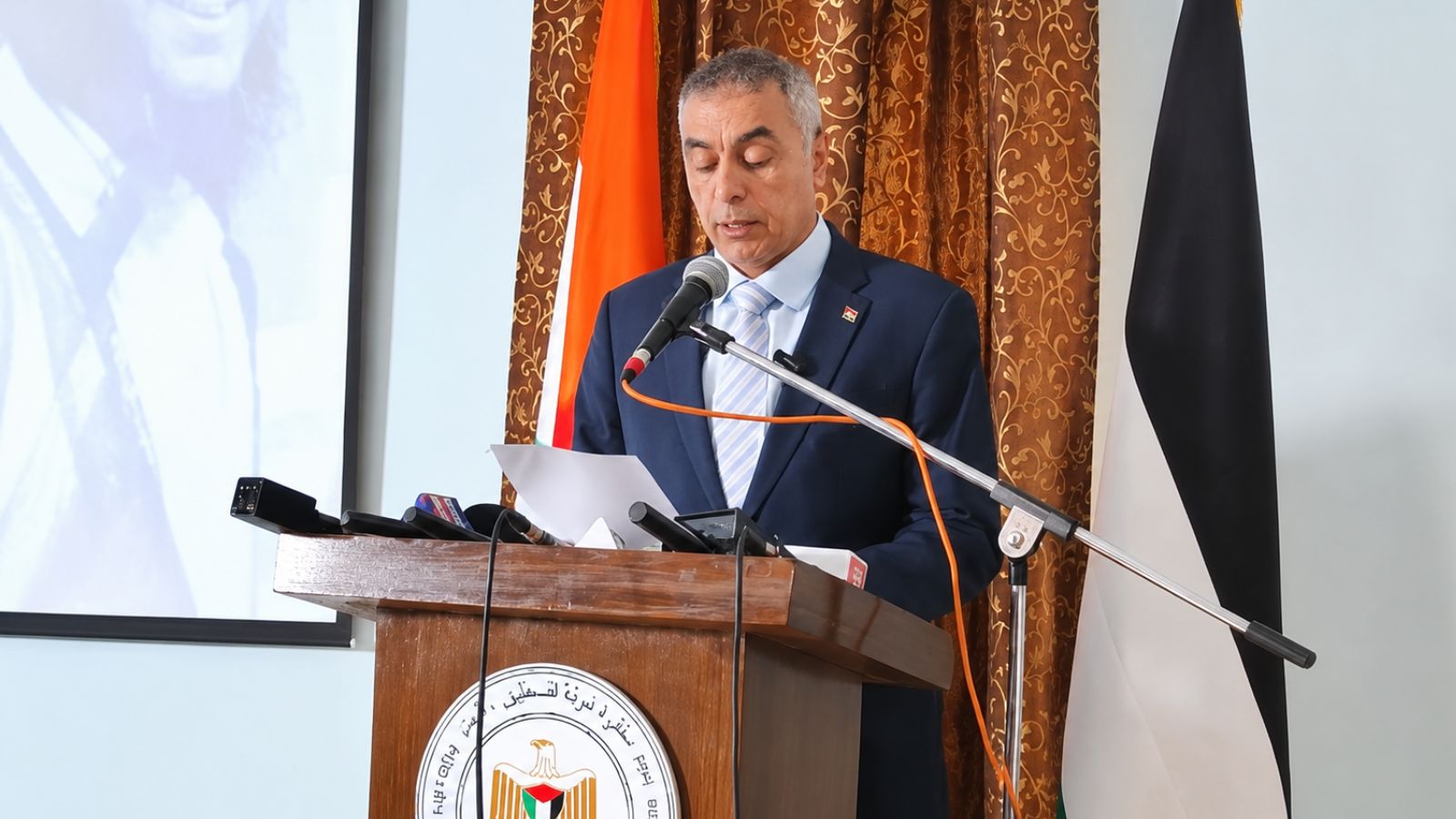
Palestinian Ambassador Abdullah Mohammad Abu Shawesh has formally endorsed India's bid for a non-permanent UNSC seat and appealed to New Delhi to leverage its ties with Israel to stabilize Gaza.
- Palestine officially supports India’s bid for a non-permanent UNSC seat (2028-2029).
- India is funding a new hospital in the West Bank and vocational training centers.
- New Delhi is being urged to use its diplomatic influence with Israel to aid Gaza's collapsing health sector.
New Delhi: In a significant diplomatic development, Palestinian Ambassador Abdullah Mohammad Abu Shawesh has voiced strong support for India’s candidacy for a non-permanent seat on the United Nations Security Council (UNSC) for the 2028-2029 term. Speaking at a media briefing in New Delhi, the Ambassador emphasized that India's growing status as a global economic and political powerhouse makes it a deserving candidate for enhanced global governance roles.
The endorsement comes amidst deepening humanitarian cooperation between the two nations. India is currently finalizing modalities to support the construction of a new hospital in the West Bank and is also facilitating vocational training centers. Furthermore, discussions are underway regarding the provision of medical equipment, including dialysis machines, and artificial limbs for amputees in the conflict-torn Gaza Strip.
Why This Matters
BozokMedia analysis shows that India is navigating an increasingly complex geopolitical landscape. By maintaining robust ties with Israel while simultaneously providing critical humanitarian aid and developmental support to Palestinians, India is positioning itself as a unique 'bridge-builder' in the Middle East. This dual-track diplomacy is essential for any long-term stability in the region.
India's influence and its strategic relationship with Israel could serve as a vital lever to push the peace process forward in the Gaza region.
The diplomatic momentum was furthered by the recent visit of senior Indian diplomat Sripriya Ranganathan to Ramallah. During her discussions with Palestinian Foreign Minister Varsen Aghabekian Shahin, India reaffirmed its longstanding commitment to a negotiated two-state solution. The Ministry of External Affairs (MEA) highlighted India's deep concern regarding the 'grave humanitarian situation' in Gaza and the urgent need for unhindered aid delivery.
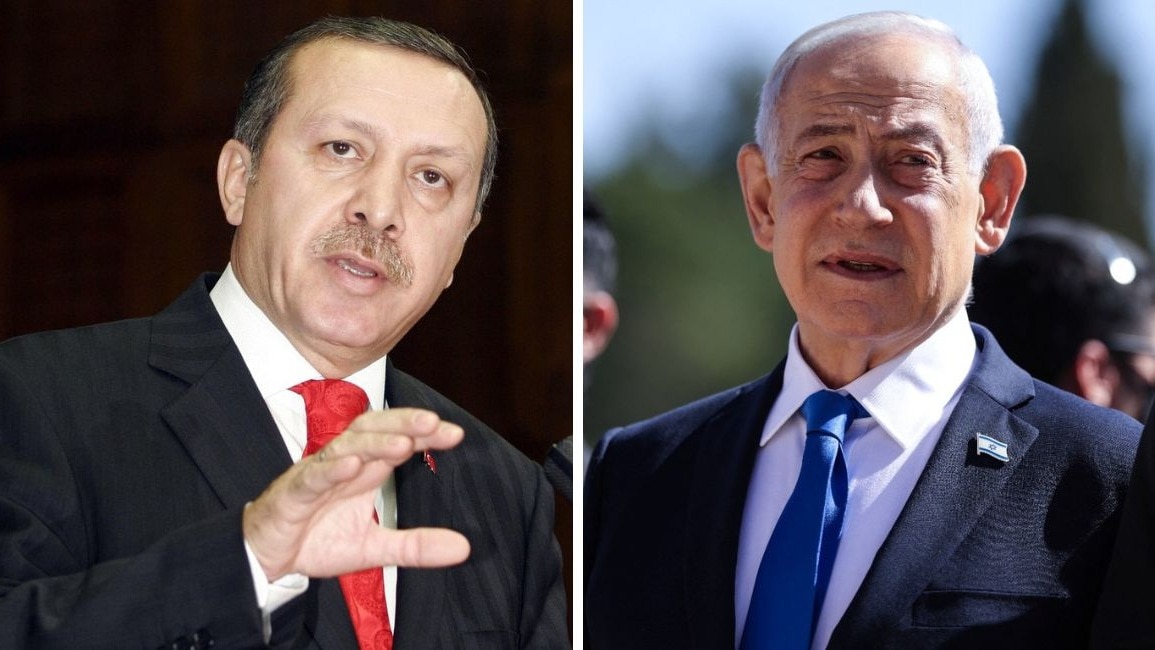
However, the situation remains precarious. Ambassador Abu Shawesh noted that the Palestinian people are frequently being forced to 'pay the price' for Israeli domestic political maneuvers, especially with upcoming parliamentary elections in Israel. He also raised concerns regarding the activities of extremist settlers who continue to harass Palestinian residents in their ancestral lands.
Frequently Asked Questions
Question 1: What is India's stance on the Israel-Palestine conflict?
Answer: India consistently supports a negotiated two-state solution and emphasizes the need for peace and stability through diplomacy.
Question 2: How is India assisting the Palestinian people directly?
Answer: India is supporting infrastructure projects like hospitals, vocational centers, and providing medical supplies to address humanitarian needs.