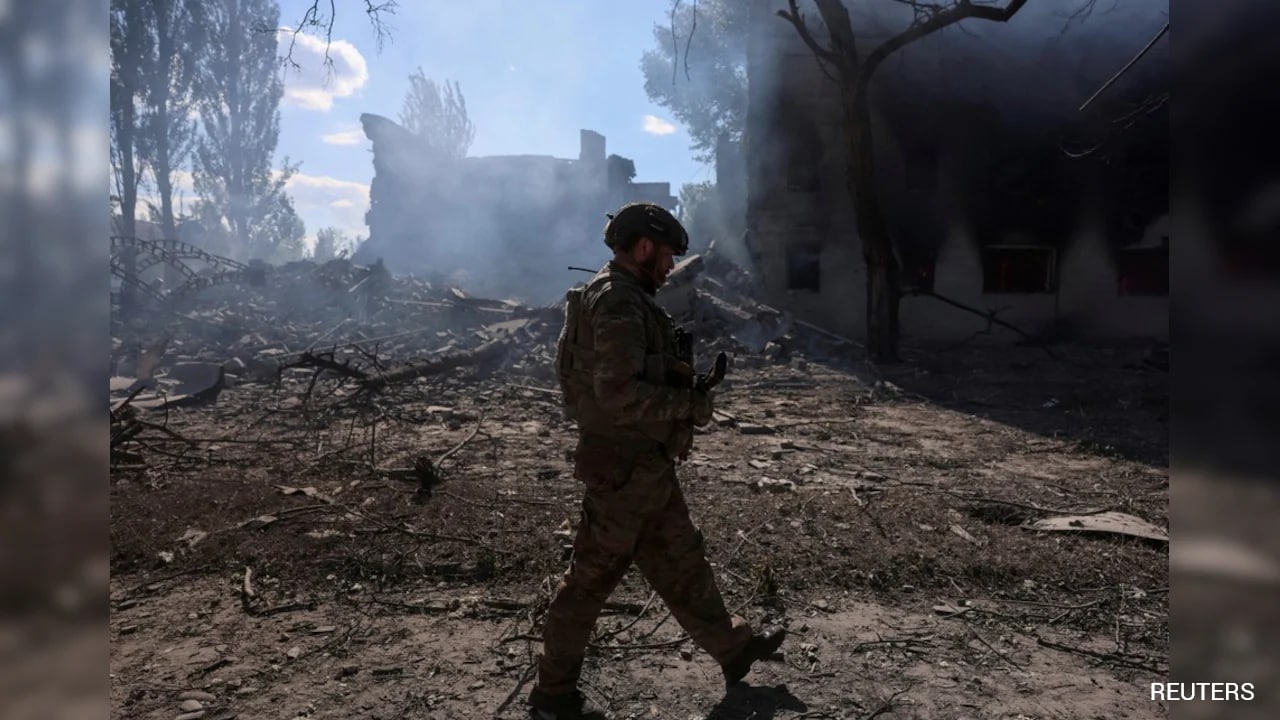
In a significant humanitarian development, Russia and Ukraine have exchanged 103 captured soldiers each, marking a rare moment of coordination amidst the ongoing conflict.
- Both Russia and Ukraine released 103 captured soldiers each on Wednesday.
- Prisoner repatriation remains one of the few functional areas of cooperation since February 2022.
- The exchange follows complex negotiations involving humanitarian protocols.
In a significant breakthrough amid the ongoing hostilities, Russia and Ukraine conducted a substantial prisoner exchange on Wednesday. Both nations handed over 103 captured soldiers to their counterparts, providing much-needed relief to the families of those involved in the conflict.
Since the onset of Moscow's full-scale offensive in February 2022, bilateral relations have been characterized by intense military confrontation. However, the repatriation of prisoners of war (POWs) and the return of fallen soldiers' remains have emerged as rare, critical channels of cooperation between the warring nations.
Why This Matters
BozokMedia analysis shows that these exchanges serve a dual purpose: they fulfill humanitarian obligations under international law and act as a barometer for the current state of diplomatic friction. While formal peace talks remain elusive, the ability to execute a structured swap of over 200 personnel indicates that certain communication lines, albeit minimal, remain operational.
The successful exchange of personnel highlights the enduring relevance of humanitarian corridors even in the most polarized conflicts.
The logistics of such an exchange are immense, requiring precise coordination, often facilitated by third-party mediators or international organizations like the International Committee of the Red Cross (ICRC). This specific swap of 103 individuals per side suggests a high level of administrative consensus reached behind the scenes.
Historical Background
The Russia-Ukraine conflict has evolved from localized skirmishes in 2014 to a massive conventional war in 2022. Throughout this escalation, prisoner exchanges have been sporadic and often linked to specific battlefield developments or high-profile diplomatic negotiations. These swaps are essential for maintaining the adherence to the Geneva Conventions, which govern the treatment of captured combatants.
Frequently Asked Questions
Question 1: How are these exchanges negotiated?
Answer: Negotiations are typically conducted through back-channels, often involving neutral third-party countries or international humanitarian organizations.
Question 2: Is this a sign of a peace treaty?
Answer: Not necessarily; these are humanitarian actions rather than a formal cessation of hostilities or a peace agreement.