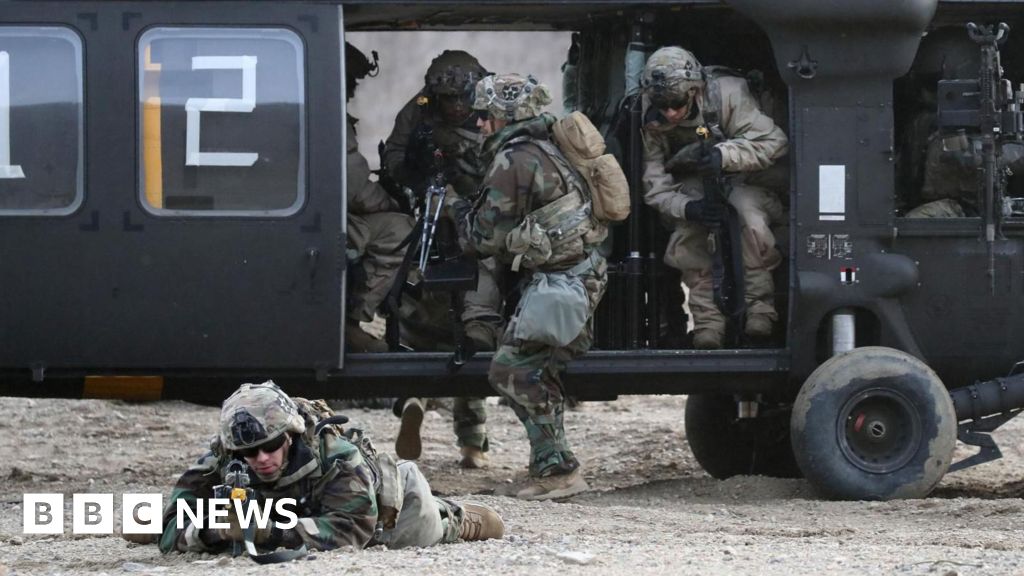
South Korea has announced a reduction in the scale and duration of its annual joint military exercises with the US. The decision follows a direct request from Washington, amid President Trump's shifting stance on North Korea and Iran.
- The 2026 Ulchi Freedom Shield exercise will now end on August 21 instead of August 27.
- The reduction follows a formal proposal from the United States government.
- President Donald Trump cited high costs and 'hostile signals' as reasons for curtailing drills.
- The move is linked to Trump's desire for direct engagement with Kim Jong Un.
South Korea's defense ministry has confirmed that the annual joint military drills with the United States will be shortened by six days. The scale and period of the 2026 Ulchi Freedom Shield exercise have been adjusted following a specific proposal from the US side. The drill, originally scheduled to conclude on August 27, will now wrap up on August 21.
This sudden adjustment comes in the wake of Donald Trump expressing intentions to curtail military exercises with Seoul. Trump has frequently cited his "very good" relationship with North Korean leader Kim Jong Un as a reason to shift away from traditional high-intensity drills. On Truth Social, the US President criticized the exercises, labeling them as "costly" and sending an "inappropriate and hostile" signal.
Why This Matters
BozokMedia analysis shows that this decision marks a significant pivot in US foreign policy, moving from deterrence-based military posturing toward a more personal, diplomatic approach with Pyongyang. This shift could potentially alter the security architecture of the Korean Peninsula for decades.
The reduction in military drills signifies a transition from traditional alliance-based deterrence to a transactional diplomatic model.
Adding complexity to the situation is the geopolitical friction regarding Iran. President Trump explicitly linked the reduction of military support to South Korea's refusal to assist in US operations regarding the denuclearization of Iran. Speaking in the Oval Office, Trump expressed frustration, noting that while 39,000 US soldiers protect South Korea, Seoul declined to "give a little hand" on the Iran issue.
Despite the reduction, military leaders remain wary of North Korean activities. US military spokesperson Ryan Donald noted that training still accounts for the threat of North Korean troops assisting Russia in the Ukraine conflict. South Korean Foreign Minister Cho Hyun informed a parliamentary hearing that both Seoul and Washington officials were caught off guard by the specifics of Trump's recent strategic shifts.
| Feature | Original Plan | Revised Plan |
|---|---|---|
| End Date | August 27 | August 21 |
| Scale | Full Scale | Partially Reduced |
| Primary Driver | Regional Deterrence | Diplomatic/Cost Management |
Frequently Asked Questions
1. Why did the US request the shortening of the drills?
The US, specifically under the Trump administration, cited high costs and a desire to foster a more diplomatic relationship with North Korea.
2. Does this mean US protection of South Korea is ending?
Not necessarily, but the scale of joint exercises is being adjusted as part of a shift in diplomatic strategy.