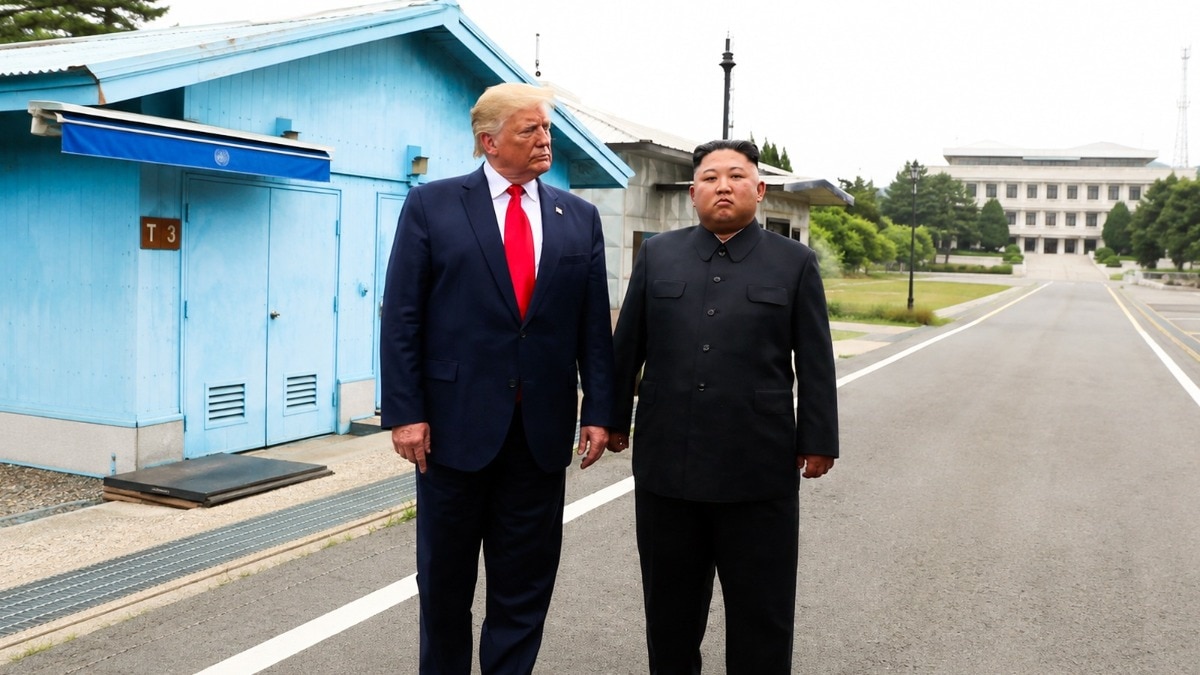
In a significant shift in regional defense policy, the US and South Korea have agreed to cut short their 'Ulchi Freedom Shield' military exercises following direct orders from President Donald Trump.
- US and South Korea have reduced the duration and scale of the Ulchi Freedom Shield drills.
- President Trump cited improved relations with Kim Jong Un as a reason for the reduction.
- Military experts warn the move could impact allied combat readiness.
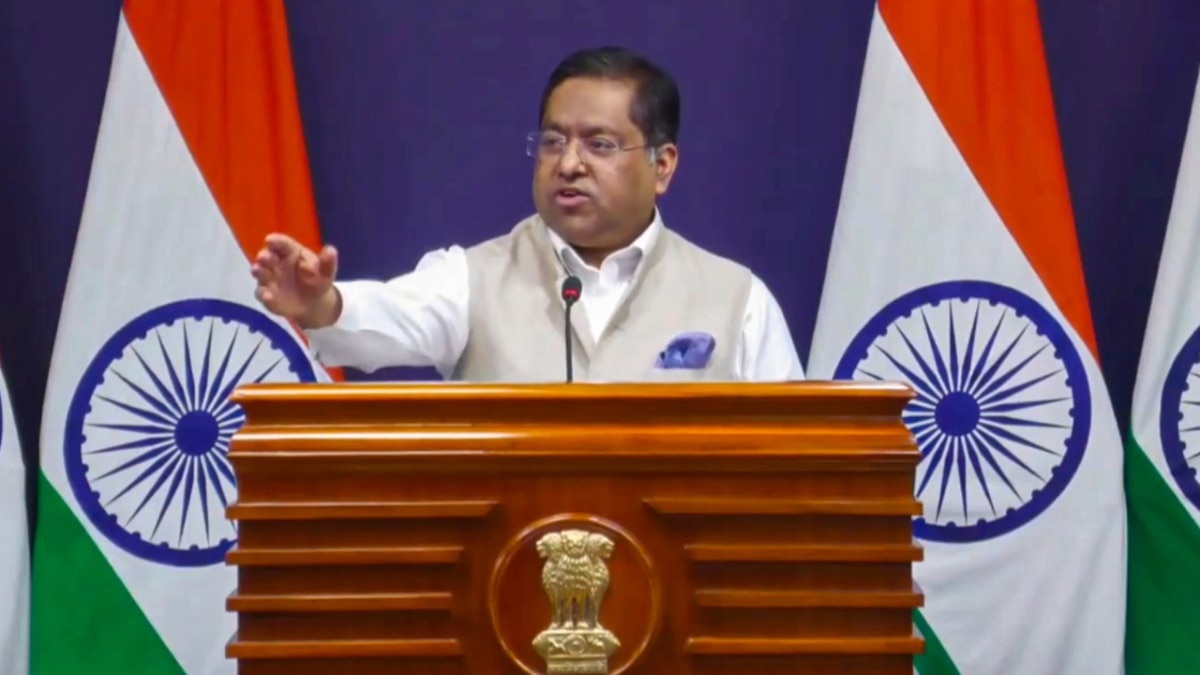
SEOUL/WASHINGTON: In a move that has sent ripples through the geopolitical landscape of East Asia, the United States and South Korea have agreed to shorten their joint Ulchi Freedom Shield military drills. According to South Korean officials, the decision follows a direct mandate from US President Donald Trump to scale down the intensity and duration of the exercises.
The summertime drills, which commenced on Monday, were originally scheduled to last for 11 days, concluding on August 27. However, South Korea's military has now confirmed that the exercises will wrap up this Friday instead. Beyond just the timeline, the two nations have also agreed to reduce the scope of several joint field training exercises.
Why This Matters
BozokMedia analysis shows that this decision represents a pivot in US foreign policy toward a more transactional approach to regional security. While Trump aims to leverage military reductions to foster diplomacy with North Korean leader Kim Jong Un, critics argue that reducing the scale of these drills could compromise the combined readiness of the US-ROK alliance. The Ulchi Freedom Shield is a critical computer-simulated command post exercise designed to prepare both nations for rapid responses to North Korean aggression.
Reducing joint exercises may offer a diplomatic olive branch, but it risks creating a security vacuum that adversaries could exploit.
The geopolitical implications are multifaceted. Trump has specifically cited his rapport with Pyongyang and South Korea's stance regarding the US conflict with Iran as motivations for the reduction. However, North Korea's response via its state news agency, KCNA, has been predictably hostile, labeling the drills as "extremely dangerous" and "frantic."
Historical Context
The US-South Korea alliance is a cornerstone of Pacific security, forged during the Korean War (1950-1953). For decades, these annual exercises have served as a deterrent against North Korean provocations, though they have also frequently triggered missile tests from Pyongyang, which views the drills as rehearsal for invasion.
Frequently Asked Questions
1. What is the Ulchi Freedom Shield exercise?
It is a major joint military exercise between the US and South Korea designed to enhance command and control capabilities against regional threats.
2. Why did President Trump order the reduction?
Trump cited his desire for better relations with North Korea and disagreements over South Korea's involvement in US operations regarding Iran.