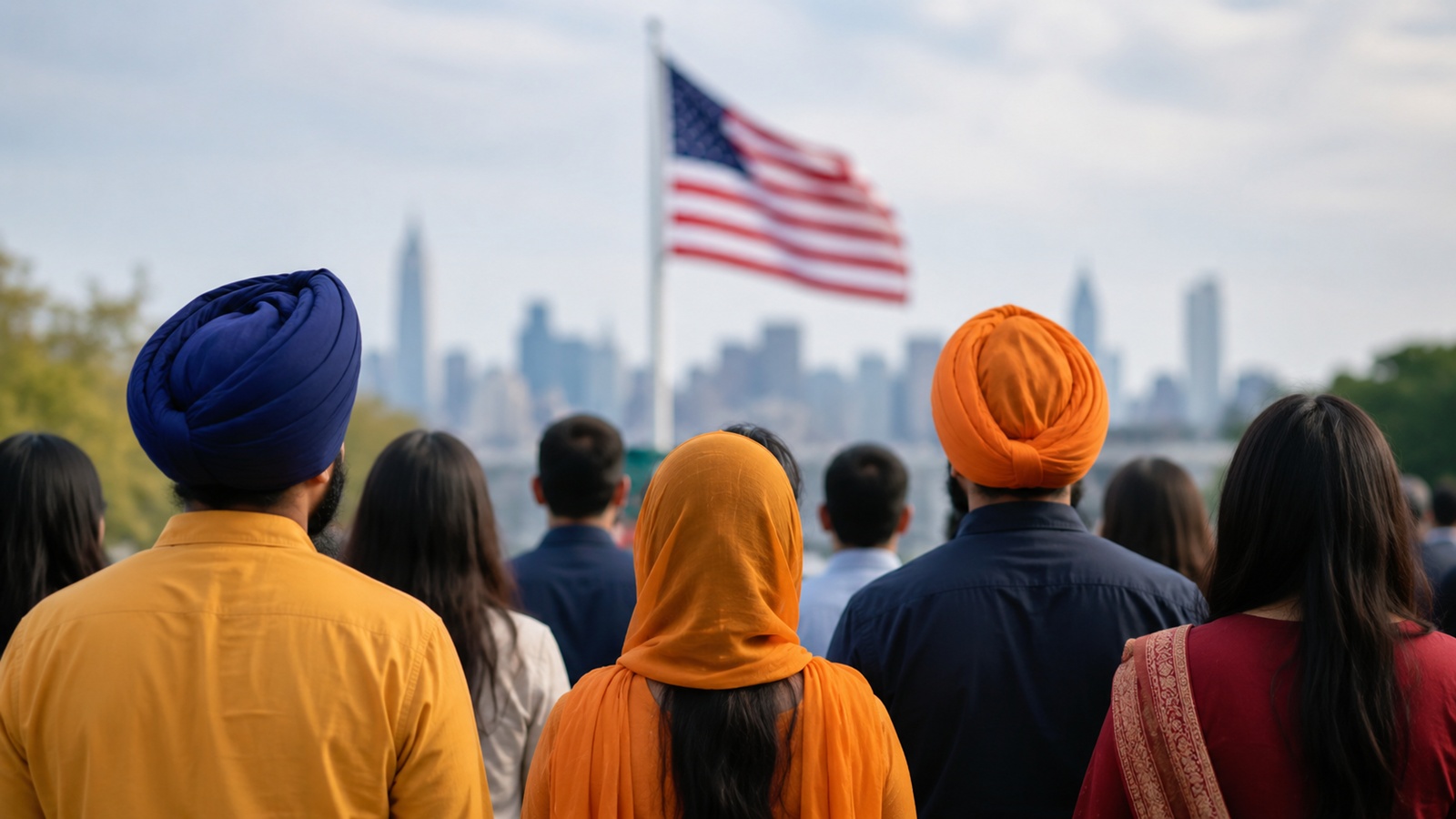
While overall hate crime incidents in the United States saw a 7% decline in 2025, FBI data reveals a disturbing spike in bias-motivated attacks against Sikh and Hindu communities.
- Overall US hate crimes dropped by 7% in 2025 compared to 2024.
- Anti-Sikh hate crimes increased by 24.34%, and anti-Hindu crimes rose by 28%.
- The FBI notes that religious-based bias incidents are becoming more targeted.
The latest report from the Federal Bureau of Investigation (FBI) has unveiled a complex and unsettling trend in American society. While the aggregate number of reported hate crimes in the United States has seen a downward trajectory, specific religious minorities are facing an escalating wave of hostility. According to the data, while total incidents fell, attacks motivated by anti-Sikh and anti-Hindu bias have shown a sharp upward trend.
In 2025, law enforcement agencies reported a total of 10,606 hate crime incidents, a decrease from the 11,404 incidents recorded in 2024. However, this statistical decline masks a growing crisis for specific diaspora communities. The 7% overall reduction does not reflect the heightened vulnerability felt by many immigrant populations.
Deep Dive: The Rise in Religious Bias
The FBI's Uniform Crime Reporting (UCR) program indicates that religious-motivated crimes remain a significant concern. In 2025, there were 2,703 single-bias religious hate-crime offenses. Breaking this down, anti-Sikh bias accounted for 189 offenses (7%), a significant jump from the 152 cases in 2024. Similarly, anti-Hindu bias rose to 32 cases, representing a 28% increase from the 25 cases reported the previous year.
| Community Target | 2024 Incidents | 2025 Incidents | Growth Rate |
|---|---|---|---|
| Anti-Sikh | 152 | 189 | ~24.34% |
| Anti-Hindu | 25 | 32 | 28% |
Furthermore, the report highlights that 7,200 offenses were motivated by race, ethnicity, or ancestry, with anti-Asian bias making up 5.8% of those cases. A critical nuance in the reporting is that the FBI does not categorize Indian Americans as a distinct racial or ethnic group, which may lead to the underreporting or misclassification of crimes targeting this demographic.
Why This Matters
BozokMedia analysis shows that the divergence between declining general crime and rising targeted religious hate is a precursor to deeper social fragmentation. When hate crimes become more specialized and targeted toward specific religious identities, it suggests that extremist ideologies are finding more specific footholds within the social fabric.
The real risk is not simply that hate goes unaddressed, but that it becomes invisible.
Sim J. Singh Attariwala, Director of the Anti-Hate Program at Asian Americans Advancing Justice, emphasized that the erosion of civil rights enforcement and the weakening of hate-crime prevention initiatives can lead to a profound loss of trust within immigrant communities.
Frequently Asked Questions
1. Why are anti-Sikh and anti-Hindu crimes increasing?
While the FBI does not specify motives, the rise suggests increasing religious intolerance and targeted bias against these specific diaspora communities.
2. Does the FBI track Indian Americans separately?
No, the FBI does not segregate Indian Americans as a separate racial or ethnic group in its primary reporting.