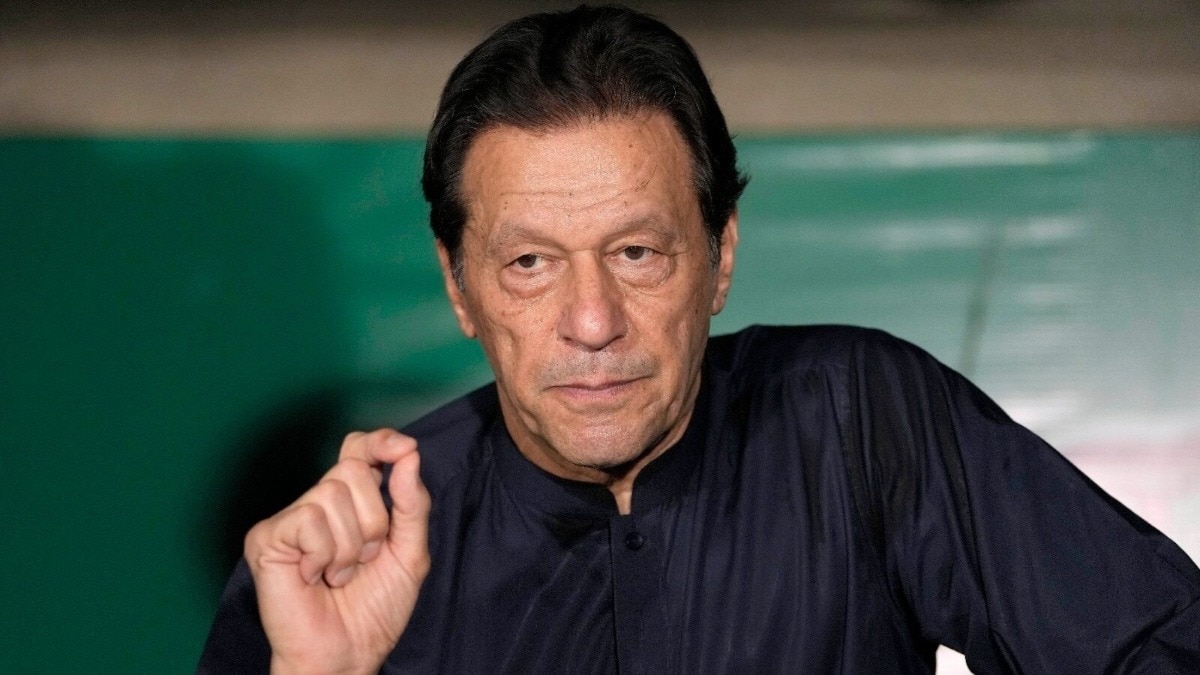
Former Syrian Grand Mufti Ahmad Hassoun, a key religious figure under the Assad regime, faces a high-stakes verdict in Damascus. Prosecutors are seeking the death penalty.
- Ahmad Hassoun faces charges of inciting violence and providing religious legitimacy to the Assad regime.
- Prosecutors have officially requested the death penalty during the trial.
- Hassoun is accused of approving mass executions at Sednaya prison.
The criminal trial of Ahmad Badreddin Hassoun, a pivotal religious authority during Bashar al-Assad’s rule, is reaching a climax. The Fourth Criminal Court in Damascus, tasked with transitional justice, is set to announce its verdict this Monday. The stakes are incredibly high, as prosecutors have called for the ultimate punishment: the death penalty.
Hassoun, who served as Syria’s Grand Mufti from 2005 to 2021, has been a lightning rod for controversy. Known for his fierce loyalty to the Assad family, he was often accused of using his religious platform to dehumanize political opponents and provide a divine mandate for state-sponsored violence.
Why This Matters
BozokMedia analysis shows that the trial of Ahmad Hassoun is a litmus test for the post-Assad judicial system. It represents an attempt to hold high-ranking religious officials accountable for their roles in legitimizing war crimes and systemic human rights abuses during the Syrian Civil War.
Critics famously labeled him the 'barrel-bomb mufti' due to his inflammatory rhetoric that coincided with the regime's use of indiscriminate barrel bombs on civilian areas. Beyond rhetoric, the allegations against him are chilling. Amnesty International has linked him to the approval of executions for approximately 13,000 inmates at the notorious Sednaya prison between 2012 and 2017.
The prosecution of Hassoun marks a significant attempt to decouple religious authority from state-sanctioned violence in Syria.
Hassoun's downfall began even before the regime collapsed. His alleged business ties to Rami Makhlouf, a billionaire once close to the Assads, led to a loss of favor. After the fall of the government in December 2024, Hassoun attempted to flee but was intercepted at Damascus International Airport in March 2025.
Historical Background
Born in Aleppo in 1949, Hassoun rose through the ranks of the religious establishment, serving in parliament from 1990 to 1998. His appointment as Grand Mufti in 2005 was seen as a move by the Assad regime to ensure a compliant religious leadership. However, his extreme stances—such as threatening Europe with suicide bombers in 2011—eventially led to the abolition of his position in 2021.
Frequently Asked Questions
Question 1: What are the primary charges against Ahmad Hassoun?
Answer: He is charged with inciting violence, supporting militias, and providing religious legitimacy to war crimes committed by the Assad regime.
Question 2: What is the significance of the 'barrel-bomb mufti' label?
Answer: It refers to his fervent religious support for the regime's use of barrel bombs against opposition-held civilian areas.